New York, Feb 25, 2026, 07:12 (ET) — Premarket
- AAL barely budged in early premarket trading, following a bounce the previous session.
- Storms in the Northeast have started to let up, yet airlines remain busy dealing with lingering cancellations and delays.
- Traders are working through a fresh shelf registration as U.S. trade policy on aircraft imports sees some changes.
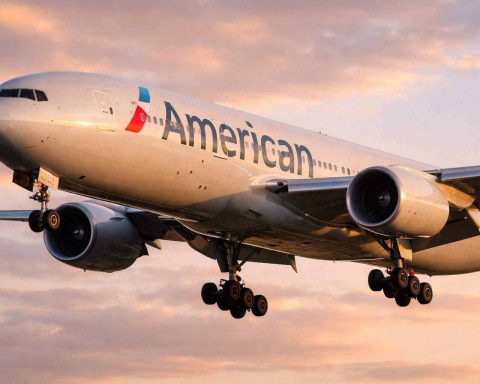
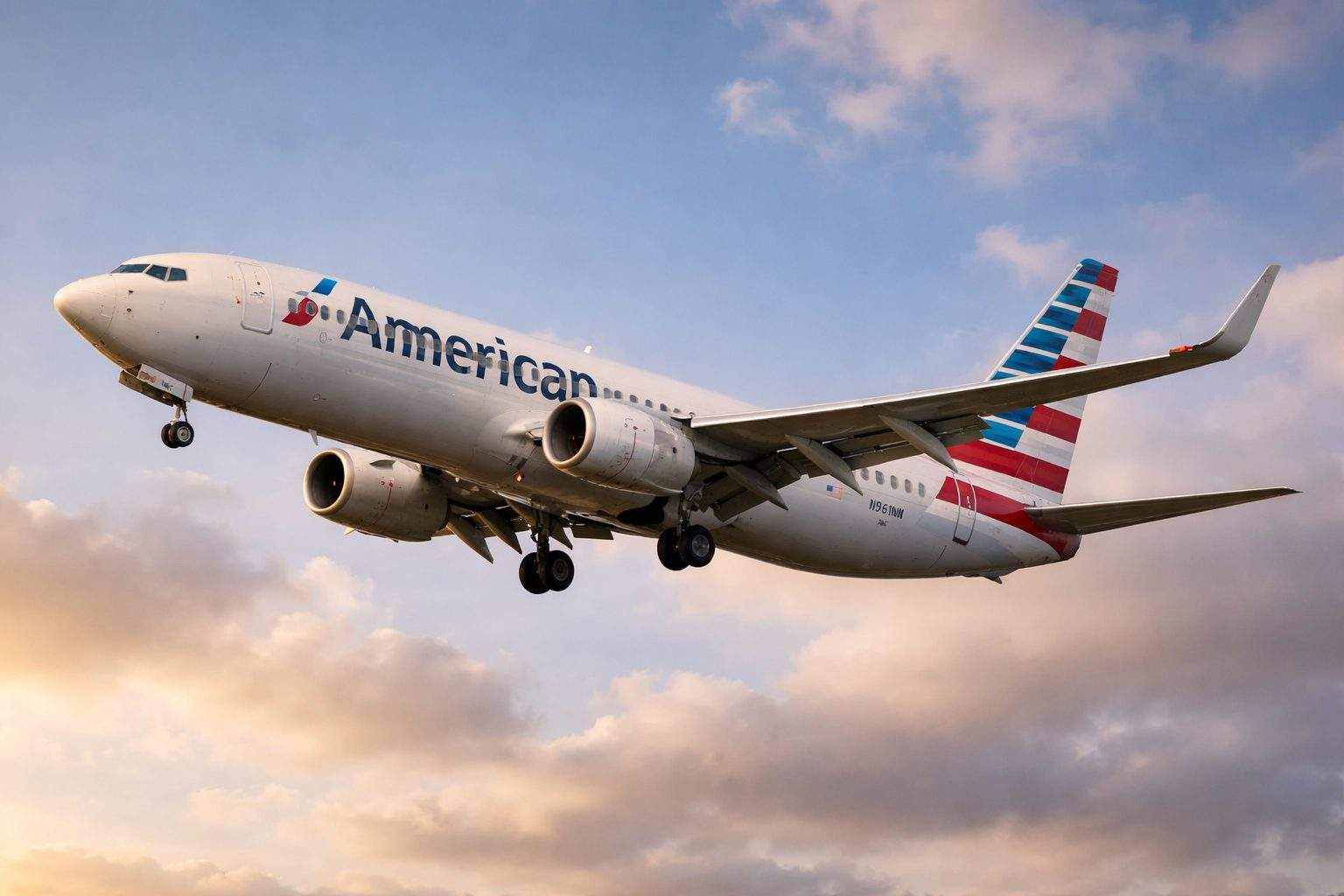
American Airlines Group Inc (AAL.O) edged up roughly 0.1% to $13.16 before the bell Wednesday. The stock had closed Tuesday at $13.15, a gain of 1.7%. Google
Here’s the calculus: investors have to weigh immediate disruption costs against the potential for a quick rebound once things settle down. Airlines feel the pain quickly—overtime, rebooking expenses, and refunds add up in a matter of days. There’s also the risk of demand falling off, with bookings occasionally taking a hit.
More than 2,000 flights were canceled by U.S. airlines on Tuesday—far fewer than the almost 6,000 that were grounded on Monday—FlightAware data indicated, as the fierce winter storm battering the Northeast was forecast to let up by the evening. JetBlue led major carriers in cancellations, cutting close to 41% of its Tuesday flights. Reuters
Airline shares took a hit Monday, after the storm disrupted travel along the I-95 corridor. American and United each slid roughly 5%, with Delta shedding close to 4%, according to MarketWatch. By Tuesday, as cancellations eased, the sector recovered some losses, traders eyeing signs the turmoil was starting to subside. MarketWatch
On Feb. 23, American Airlines Group and its primary operating subsidiary filed a shelf registration statement, covering a range of possible securities—common shares, preferred stock, and various debt instruments. With a shelf registration, the company has flexibility to tap markets down the line by issuing a prospectus supplement, skipping the need for fresh paperwork each time. SEC
Trade policy’s in play here, too. An annex attached to President Donald Trump’s executive order, which set a temporary 10% global import tariff, specifically carved out commercial aircraft, engines, and aerospace parts—meaning those could come in without the duty. That exemption drew applause from industry players. “It’s actually very encouraging and quite good news for our industry,” said Katie DeLuca, a private aviation attorney at Harper Meyer. But concern lingers. Vedder attorney Dave Hernandez warned that tariffs on steel and aluminum might still push up prices for aircraft and parts. Reuters
The storm’s aftermath tends to drag on, and getting operations back on track doesn’t happen cleanly. On top of that, investors are watching labor strife at American, as unions push the board to answer for profit numbers that trail bigger competitors. Reuters
During the regular session, traders are looking for any new evidence that cancellations are dropping and hubs are clearing out. They’re also keeping an eye out for a follow-up filing that might indicate if American intends to use its new shelf for financing.
Fuel remains a key factor. Oil prices dipped roughly 1% on Tuesday after Iran hinted at willingness to move forward with a nuclear agreement with the United States. Traders are watching for U.S. inventory numbers out Wednesday and a third set of U.S.-Iran nuclear discussions scheduled for Thursday in Geneva. Reuters