
CUPERTINO, Calif. — Apple Inc. NASDAQ:AAPL will hold a special event on Wednesday, September 9, at 10 a.m. PDT. Apple’s invitation confirms the time and stream. It does not name a product.
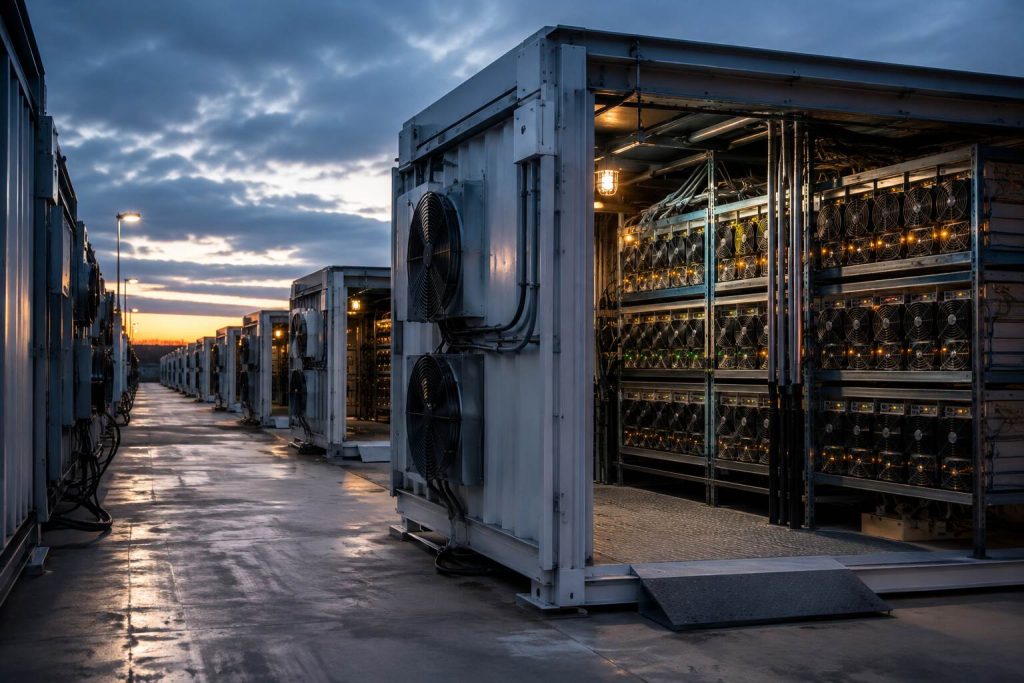
That silence now matters. Nikkei Asia reported that late-August output of Apple’s unannounced foldable iPhone was only a few hundred units a day. An extra trial run reportedly pushed commercial production back by weeks.
Apple has confirmed neither the device nor those production figures. The report still changes the question for shareholders. Wednesday’s reveal needs a credible route from stage to store, not merely an eye-catching prototype.
Apple shares closed at $319.97 at 4:00:01 p.m. EDT on Friday, September 4, down 2.51%. The Nasdaq cash market is closed for the weekend. Google Finance put Apple’s market value at $4.67 trillion and its trailing price-to-earnings ratio at 36.68 at that close.
The constraint sits between prototype and revenue
Nikkei’s supply-chain sources described two different numbers. Output ran at only a few hundred devices daily in late August. Apple had reportedly raised its 2026 order goal to roughly 10 million units.
Those figures are not comparable forecasts. One is an early production rate. The other is an order goal. Yet the distance between them makes ramp speed the first financial variable to watch.
| Signal | Status before the event | Investor reading |
|---|---|---|
| September 9 event, 10 a.m. PDT | Confirmed by Apple | Timing is certain; the lineup is not. |
| Foldable output of a few hundred units a day | Reported by Nikkei for late August | Launch availability may lag the reveal. |
| Roughly 10 million-unit 2026 order goal | Reported by Nikkei, not guided by Apple | A fast yield ramp would be needed. |
| $54.25 billion of June-quarter iPhone revenue | Filed by Apple with the SEC | The core franchise is large enough to absorb a small first batch. |
| $319.97 close and 36.68 trailing P/E | Market data as of September 4 | The valuation leaves less room for an execution stumble. |
The reported bottlenecks involve hinge performance, surface flatness and manufacturing yield. Those are production problems. They say little about consumer demand.
A quick sellout could therefore mislead. Ten thousand available phones can disappear faster than one million. Apple would need to disclose supply, which it rarely does, before a sellout could support a demand estimate.
A first batch cannot carry the iPhone franchise
Apple’s scale limits the near-term damage. The company recorded $54.252 billion of iPhone sales in the quarter ended June 27. That was 49.6% of its $109.417 billion total revenue, according to its latest Form 10-Q.
iPhone revenue grew 22% from a year earlier. A new premium model could lift mix. Limited units would cap that benefit, and Apple does not report handset volumes or average selling prices.
The event also arrives late in Apple’s fiscal September quarter. Only a short selling window remains after September 9. Any staggered launch would place most foldable revenue in fiscal 2027.
Management had already warned about broader component constraints. On its July earnings call, Apple projected September-quarter revenue growth of 9% to 11% and mid-teens iPhone growth. Chief Financial Officer Kevan Parekh also guided gross margin to 47% to 48%, Reuters reported.
The foldable report describes a separate, product-specific problem. It does not prove that Apple will miss that guidance. It raises the odds that the holiday quarter carries the harder execution test.
Four details will reveal the real launch
- Order date: A preorder window beginning soon after the event would narrow the reported delay.
- First delivery: A firm September ship date would keep some sales inside fiscal 2026.
- Launch map: Broad country availability would require more inventory than a U.S.-only debut.
- Wait times: Delivery estimates that lengthen quickly would point to supply, demand or both. They cannot identify the cause alone.
Price comes next. A high starting price may protect gross profit per device. It can also shrink the buyer pool. Rumored prices remain unusable for earnings math until Apple confirms the product, storage tiers and availability.
Analysts already disagree sharply about what the shares discount. On September 3, Bank of America’s Wamsi Mohan maintained a Buy rating and $380 target. UBS analyst David Vogt kept a Hold rating and $296 target. Those targets imply 18.8% upside and 7.5% downside, respectively, from Friday’s close, according to the dated entries on Google Finance.
Wednesday cannot settle that valuation gap. It can resolve the immediate production question. Watch whether Apple accepts orders, dates first deliveries and defines the initial markets.
A reveal without purchasable volume remains a showcase. Revenue starts when units ship.