
New York, Feb 7, 2026, 09:39 EST — The market is no longer open.
- Apple finished Friday’s regular session at $278.12, up 0.8%, but slipped 0.3% after the bell.
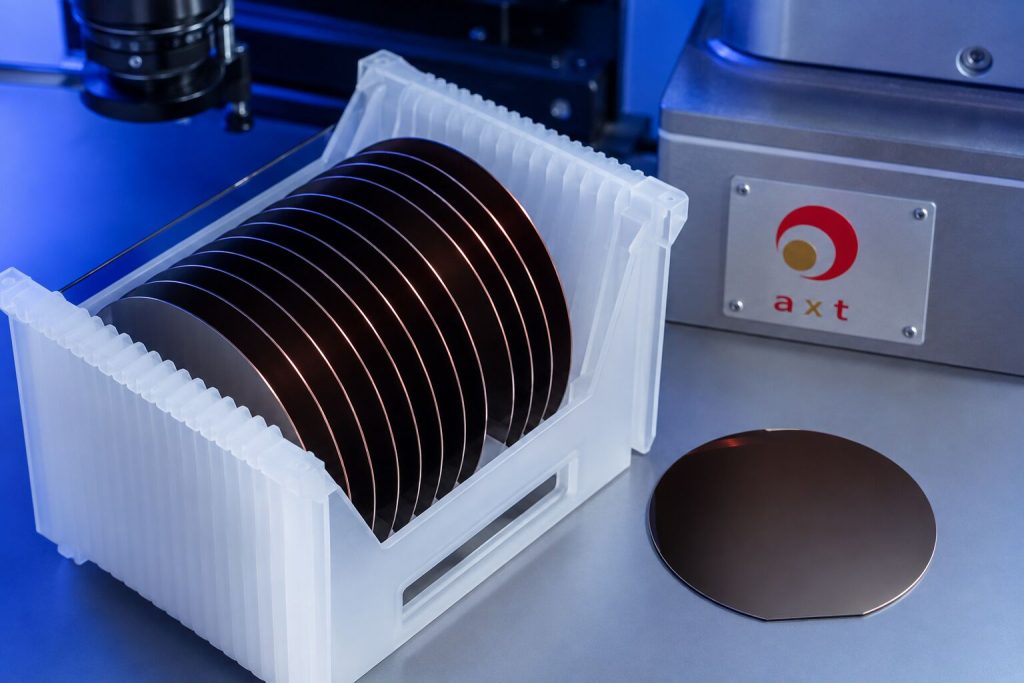
- DRAM prices are climbing again as a worldwide memory-chip crunch hits, bringing new scrutiny to Apple’s pricing strategies and its margins.
- Investors look for new clues on pricing and costs, with U.S. inflation numbers due next week and Apple’s shareholder meeting set for Feb. 24.
Apple Inc (AAPL.O) finished Friday up 0.8% at $278.12, closing out a session that saw the shares move from $276.92 to $280.90. After hours, the stock slipped 0.3%. With U.S. markets closed Saturday, the same old issue returns for Monday: does Apple push through an iPhone price hike, or swallow the extra costs? Investing.com data
Right now, memory is the hot spot. DRAM supplies are getting squeezed, and that’s driving up the cost of the memory chips powering those resource-hungry phone apps — exactly when investors are busy rethinking what the broader AI surge really means for the numbers.
Apple’s pricing has ripple effects across the smartphone world. Raise iPhone prices, and competitors might move up too. Hold steady, and Apple could snatch market share—though investors will be quick to tally up the pressure on margins.
CEO Tim Cook told analysts memory chip prices are set to jump “sharply.” He noted Apple has “different levers” at its disposal, but stopped short of saying if customers would pay more. “The biggest question for the industry now,” is how this plays out, according to IDC’s Nabila Popal. Dan Morgan of Synovus Trust thinks Apple will “most likely” keep pushing up prices with each new iPhone. Emarketer’s Gadjo Sevilla, meanwhile, said he’s “observing Apple and Samsung” to see who moves first. Reuters
This is an odd setup: memory demand is getting yanked both ways. The surge in AI data center construction from big tech has grabbed a lot of supply, while chipmakers have steered production toward the more profitable data-center chips instead of those used in consumer gadgets.
Apple’s heft and deep supplier relationships—think Samsung Electronics, SK Hynix, Micron—tend to give it an edge over other handset makers on sourcing. Still, when component prices shoot up, even that kind of leverage only goes so far.
Qualcomm, the heavyweight chip supplier for top-tier Android devices, has already flagged memory shortages among its customers. Some analysts see smaller phone brands—especially those in China—running into stiffer bottlenecks than Apple.
Friday’s session steered clear of panic. Stocks rebounded sharply after a rocky stretch for tech: the S&P 500 gained 1.97%, the Nasdaq climbed 2.18%, and the Dow surged 2.47%, finally breaking through the 50,000 mark. Chipmakers rallied hard, offsetting Amazon’s drop amid worries over bigger AI spending. “There’s… real demand for AI products,” said Ross Mayfield, investment strategy analyst at Baird. Reuters
Apple finished the week up roughly 3% from Monday—steadier than the broader tape. But if memory costs keep rising, that calm could evaporate. Investors may soon want answers: does Apple defend its margins, hike prices, or try to balance both?
The risks are staring investors in the face. Hold prices, and Apple risks seeing margins shrink. Go for a price hike, and demand could take a hit—consumers might switch over to lower-cost Android options or just wait longer to buy. Even then, a drawn-out supply crunch could put a lid on shipments.
Investors head into Monday looking for signals out of suppliers and competitors, especially around memory pricing and phone production. After that, the big dates on the radar: January U.S. CPI lands Feb. 13, and Apple’s shareholder meeting follows on Feb. 24.