
New York, May 22, 2026, 13:31 EDT
- Firefly Aerospace shares climbed 12.25% to $48.11, moving back above the $45 IPO price.
- Space stocks rallied after new SpaceX IPO filings came out and the sector moved higher.
- Firefly’s growth comes down to execution. That means launches, lunar landers, defense contracts, and managing its cash burn.
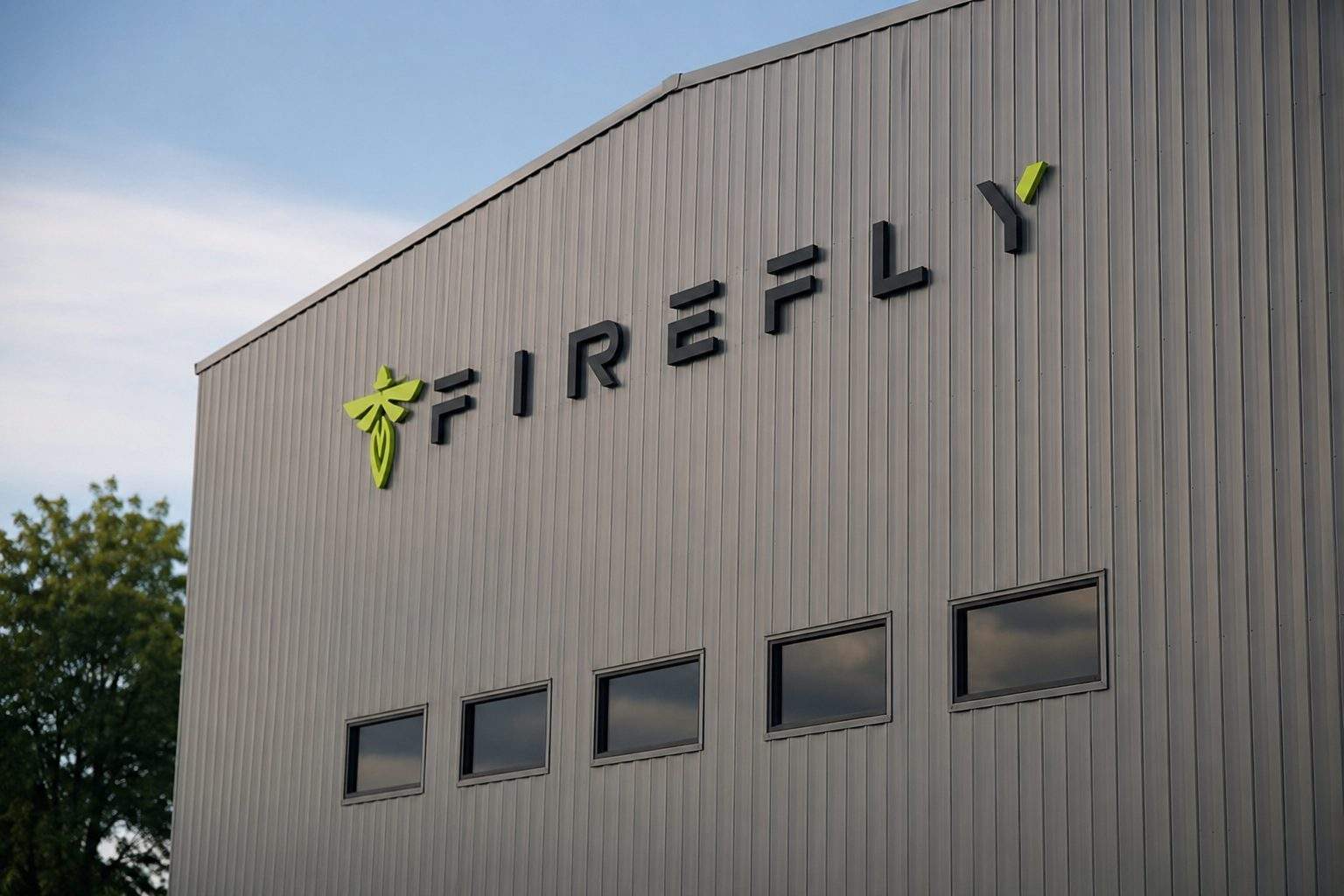
Firefly Aerospace Inc. surged 12% Friday afternoon, trading at $48.11 as the space-and-defense group moved higher on strong volume. Shares climbed back above the IPO price, with nearly 5.9 million changing hands by 1:24 p.m. EDT and the market cap at $7.7 billion. Investors moved into space stocks after new SpaceX listing details.
SpaceX is edging nearer to an IPO, according to Reuters, which reported Friday the private space company’s filing shows a staged resale plan for insiders and a target valuation around $1.75 trillion. Reuters The timing stands out.
A SpaceX IPO could put an obvious market value on the space sector, and Firefly stands to feel that. When sector leaders stay private, traders often use smaller names as proxies, which can shift quickly.
Space stocks caught a bid on Friday as AST SpaceMobile and Virgin Galactic rallied more than 9%, according to The Wall Street Journal. Firefly and Rocket Lab moved higher too, with traders citing fresh enthusiasm around SpaceX.
Market players are weighing if a SpaceX listing would draw money away from competitors or boost valuations across the space sector. ODDO BHF analyst Stéphane Beyazian told Reuters, “some investors have appetite” for space exposure and are looking for a re-rating, meaning higher valuations for similar names in the group. Reuters
Firefly set its upsized IPO at $45 a share in August 2025, and the stock launched trading on the Nasdaq Global Market as FLY. Shares finished Friday a bit above that IPO price after a choppy first year trading as a public company.
Firefly is still in heavy-loss growth mode. First-quarter revenue came in at $80.9 million, which is up 40% from the last quarter. The company forecast 2026 revenue between $420 million and $450 million. Net loss for the quarter: $96.7 million. CEO Jason Kim said it was another “quarterly revenue record” and said Firefly is still focused on ramping up production lines. GlobeNewswire
Firefly has been pushing its growth plans in Texas. On May 19, the company said it opened a new headquarters, increased cleanroom space, and built an innovation lab. COO Ramon Sanchez said Firefly is “producing rockets and spacecraft at scale” for defense, exploration and commercial markets. Firefly Aerospace
But after the rally, there’s not much room for error. Firefly’s latest quarterly filing points to risks: any launch delays or failures, not being able to build enough rockets and landers at the standards customers want, relying on government funding and needing regulatory sign-off, and the risk that it can’t turn its backlog into revenue.
Firefly isn’t moving on its own news. Shares trade off SpaceX as the main price driver. The focus shifts to the next test—likely less dramatic, but with real weight. The question now: can Firefly actually use more revenue, fresh facilities and defense contracts to drive more launches and shrink its losses?
Related articles: Nasdaq