
New York, June 12, 2026, 04:20 EDT
- SpaceX has sold 555,555,555 Class A shares at $135 a share, bringing in $75 billion.
- SPCX is set to start trading Friday on the Nasdaq Global Select Market and Nasdaq Texas.
- Early Friday, public trading data was not yet visible. The IPO price stood as the verified reference price.
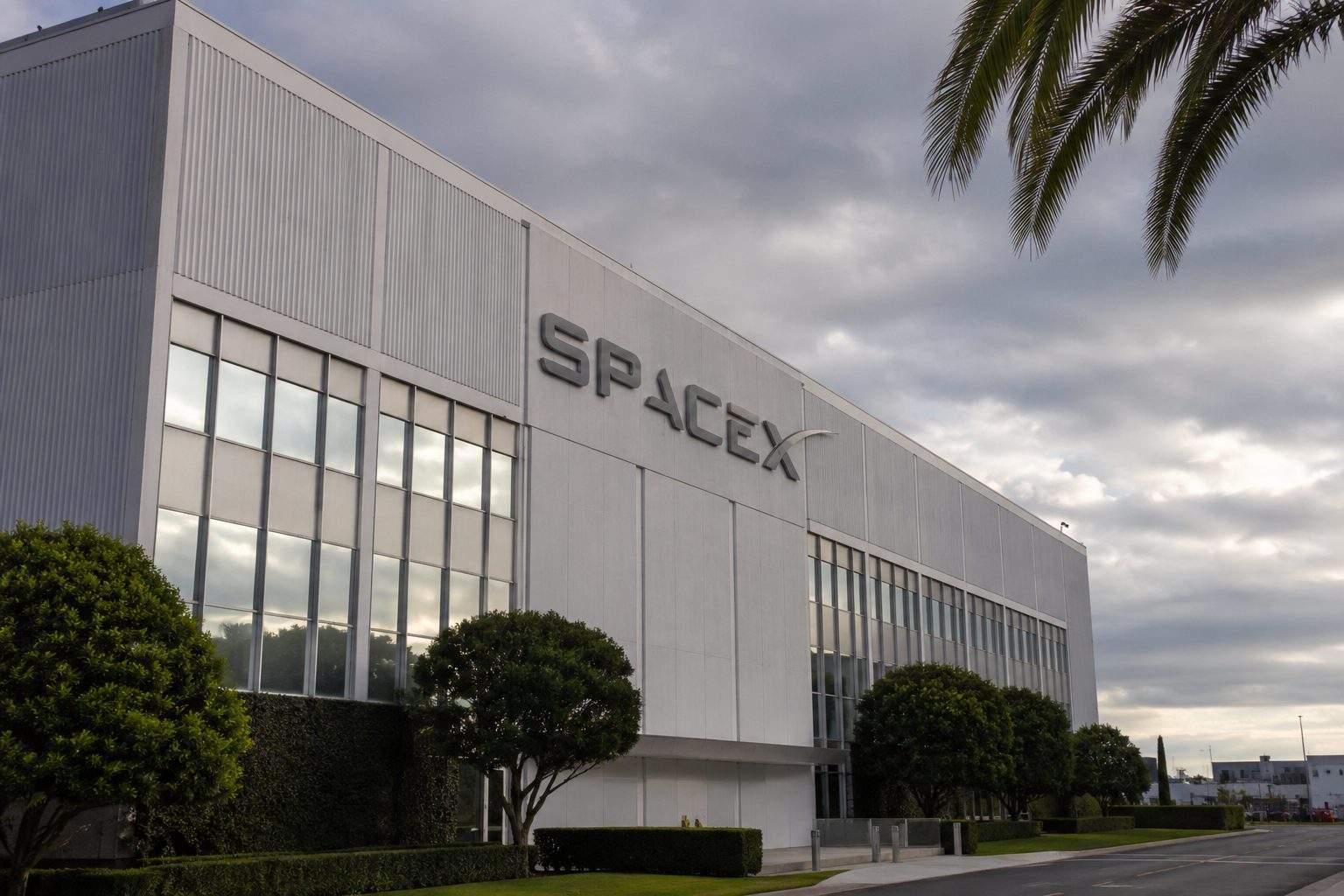
Space Exploration Technologies Corp. will start trading on Friday after pricing its IPO at $135 a share. The company sold 555,555,555 shares in the offering. Shares are set to begin trading June 12 on the Nasdaq Global Select Market and Nasdaq Texas under the ticker “SPCX.” The deal should close June 15, pending usual conditions. Underwriters have a 30-day option to pick up as many as 83,333,333 more Class A shares.
Nasdaq’s market-activity page for SPCX early Friday said quote data was unavailable and showed that the stock wasn’t actively trading, so $135 stayed the only confirmed public reference price from the IPO before the regular session. That’s important for investors looking at the SpaceX stock price, since pre-debut signs and derivatives do not count as an official Nasdaq print.
SpaceX’s $75 billion offering puts its valuation near $1.77 trillion, Reuters said, citing about 13.08 billion shares outstanding. The deal tops Saudi Aramco’s 2019 IPO as the largest ever and boosts Elon Musk’s company—with rockets, satellite broadband and AI—into the top tier of U.S.-listed names before trading begins.
Wall Street isn’t on the same page about where the stock goes after its debut. “The real test will be how the market digests the IPO over the next several weeks, not just one day,” said Adam Sarhan, CEO of 50 Park Investments, to Reuters. Matt Kennedy at Renaissance Capital called anything under a 10% gain “sort of disappointing,” but said a move up over 50% would look like “trading on pure hype.” Reuters
Oppenheimer is the first big brokerage firm to cover SpaceX, giving it an “outperform” rating and a $190 target price, which suggests about 41% upside from the IPO level. Analyst Timothy Horan called SpaceX the “only vertically integrated AI company with the required capital, data, LLMs, hardware, manufacturing and engineering talent.” New Street Research put out a $165 target. Reuters reported that Morningstar values the company much lower at $780 billion. Reuters
SpaceX isn’t just about rockets in the public markets. Reuters says the company has three segments: Space, Connectivity and AI. The Connectivity arm runs Starlink, which has around 9,600 satellites and serves customers in 164 countries, territories and other areas. LSEG numbers on Reuters showed 2025 revenue at $18.674 billion with a net loss of $4.937 billion. That shows there’s still a gap between SpaceX’s growth story and its bottom line.
Traders are watching index inclusion plays. SpaceX will need to wait longer for a shot at the S&P 500, after S&P Dow Jones Indices kept its rule for 12 months of public trading, ongoing profitability, and a minimum free float, Reuters reported. SpaceX met none of those bars before its debut, according to Reuters. Nasdaq and FTSE Russell, though, have cut down the required trading history, so a Nasdaq 100 or Russell index entry could come earlier. A Nasdaq listing would also put the stock into the Nasdaq Composite right away.
For now, investors will watch the first official SPCX trade to see if the $1.77 trillion valuation holds or if shares slip below the IPO price. The debut will also be a test for retail demand, analyst optimism, and index buying against worries about losses, governance, and whether expectations for SpaceX’s Class A Common Stock have gone too far.
Related articles: NASDAQ:SPCX