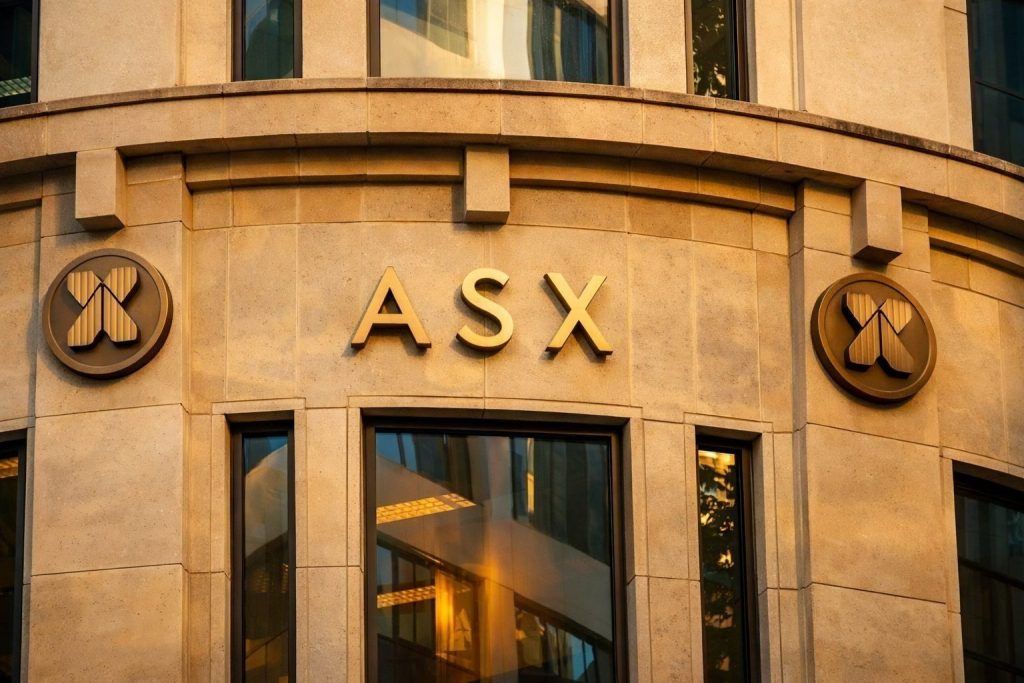
At 11:00am Sydney time (AEDT) on Thursday, 18 December 2025, Australia’s macro focus is squarely on a cluster of official releases at 11:30am—landing just one day after the Mid-Year Economic and Fiscal Outlook (MYEFO) reset the national conversation on inflation, deficits, and the Reserve Bank of Australia’s next move.
With markets already digesting Treasury’s higher inflation track and renewed debate over whether the RBA may need to tighten again in early 2026, today’s calendar is less about one headline number and more about the deeper plumbing of the economy: population momentum, household balance sheets, labour-market detail, and the central bank’s reserve operations.
What’s on Australia’s economic calendar today: Thursday, 18 December 2025 (Sydney/Canberra time)
11:30am AEDT — ABS: National, state and territory population (Reference period: June 2025)
This release updates Australia’s population level and the components of change—births, deaths and migration—across the nation and states/territories. Australian Bureau of Statistics
Why it matters now: population growth has become a front-and-centre variable for housing demand, infrastructure strain, and per‑capita growth. The ABS has also flagged that the June quarter 2025 population estimates (released today) will be incorporated into a future Labour Force publication (scheduled for 22 January 2026), making today’s release relevant beyond demographics. Australian Bureau of Statistics+1
11:30am AEDT — ABS: Australian National Accounts: Finance and Wealth (Reference period: September 2025)
This publication covers the financial accounts and balance sheets across sectors—households, government, corporations, and the rest of the world—including balance‑sheet measures and wealth dynamics. Australian Bureau of Statistics
Why it matters now: after a year defined by interest‑rate swings, inflation surprises, and cost‑of‑living pressure, investors and policymakers watch for signals on household wealth effects, credit conditions, and whether financial balance sheets are supporting or constraining consumption.
11:30am AEDT — ABS: Labour Force, Australia, Detailed (Reference period: November 2025)
This is the “detailed” Labour Force release—expanded time series and breakdowns (tables/spreadsheets) rather than a fresh “headline” labour report. Australian Bureau of Statistics
Why it matters now: labour markets are still the swing factor for wages, services inflation, and ultimately the RBA’s reaction function. Even when the market has already seen headline jobs numbers earlier in the month, the detailed release can reshape the narrative through hours worked, underemployment, industry and regional detail, and composition changes.
11:30am AEDT — RBA: Foreign Exchange Transactions and Holdings of Official Reserve Assets (Table A4)
The RBA’s weekly schedule lists the A4 release for Thursday, 18 Dec at 11:30am. Reserve Bank of Australia
Why it matters now: it’s not usually a major market mover, but it is part of the transparency toolkit around reserve management and FX transactions, and it lands during a period when markets are highly sensitive to central-bank signals.
Later today (routine market operations)
The RBA schedule also notes regular open market operations on weekdays and daily exchange rate updates. Reserve Bank of Australia
Why today’s 11:30am “data cluster” matters more than usual
Australia is heading into the year-end period with three macro tensions pulling in different directions:
- Treasury’s inflation track has shifted higher, lifting the political and economic stakes around demand, spending and price pressure.
- Rate expectations have turned more hawkish than earlier in 2025, with parts of the banking sector now openly discussing the possibility of renewed tightening in 2026.
- The economy is still balancing population-driven demand (housing and services), labour-market tightness, and a consumer sector that remains sensitive to inflation and mortgage dynamics.
This is why the market will read today’s releases as a package: population tells you the scale and speed of demand; finance-and-wealth tells you whether households can fund it; labour detail tells you whether wage pressure can re-accelerate.
The key backdrop from 17 December 2025: MYEFO raises the inflation temperature
Treasury lifts its inflation forecast; deficit improves—slightly
In reporting around MYEFO, Treasury revised its inflation outlook sharply higher, with Reuters noting Treasury lifted its forecast for inflation to 3.75% in the financial year ending June 2026, up from 3% previously. Reuters
Reuters also reported that MYEFO projected:
- Nominal GDP growth lifting materially (reported at 5.25% for the financial year), boosting tax receipts; Reuters
- A 2025–26 deficit of A$36.8 billion, only modestly smaller than earlier projections, reflecting stronger revenues but also higher payments. Reuters
Commonwealth Bank’s economics team framed the same story as “deficit improves but challenges persist,” highlighting:
- The 2025/26 deficit forecast at $36.8bn (down from $42.1bn in March),
- Net debt at $587.5bn (20.1% of GDP),
- And inflation expected to rise to 3.75% by June 2026. CommBank
Rate expectations move back into the spotlight
Reuters reported the RBA has cut rates three times in 2025 to 3.6%, but a more recent inflation spike has forced policymakers to warn that hikes might be needed next year; Reuters also noted that NAB and CBA were among major banks expecting the RBA to raise rates in February 2026, while Westpac moved away from rate-cut expectations and instead saw rates on hold through 2026. Reuters
CBA’s published MYEFO analysis similarly stated that the higher inflation profile means the RBA is still likely to raise interest rates in February to keep price growth under control. CommBank
The Guardian’s take: “difficult decisions” and inflation risk remain
The Guardian’s analysis of the budget update emphasised three themes: a slightly better bottom line, targeted spending measures, and an inflation outlook that keeps rate-hike risk alive—again pointing to Treasury’s 3.75% inflation expectation and the $36.8bn deficit forecast, alongside pressures in areas like disaster spending and structural outlays. The Guardian
MYEFO analysis: why markets are treating fiscal policy as a monetary-policy issue
A recurring theme across the coverage and bank research is that fiscal settings are being judged not only on budget arithmetic, but on how they affect the RBA’s job.
Westpac’s MYEFO analysis argued the cyclical upswing is boosting revenues and that “banking” revenue gains could reduce debt and indirectly ease pressure on monetary policy. It also highlighted the improvement in the underlying cash balance across the forward estimates and suggested company tax receipts could exceed forecasts by a large margin under Westpac’s commodity-price assumptions—raising the stakes around whether windfalls are saved or spent. westpaciq.com.au
CBA’s analysis echoed that the bottom line is improving, but structural pressures—aged care and the NDIS among them—keep the fiscal repair task slow, with deficits expected to remain above 1% of GDP until at least 2028/29. CommBank
Put together, the message to markets has been clear: if inflation is running hotter and the budget is still spending into that environment, the RBA may feel it has less room to stay dovish.
How to read today’s ABS releases through a market lens
1) Population (June 2025): housing, services demand, and per‑capita reality
The population release matters because it influences:
- Housing demand and rents (directly via household formation and migration),
- Infrastructure and services pressure (health, transport, education),
- And the optics of growth: headline GDP can look stronger even if per‑capita outcomes remain subdued.
With the ABS explicitly linking today’s population estimates to future labour force estimation updates, the market will treat the print as more than a demographic footnote. Australian Bureau of Statistics+1
2) Finance and Wealth (September 2025): can households keep spending?
Finance-and-wealth data can influence how economists think about:
- Whether rising asset prices (or superannuation balances) are creating a wealth effect that supports consumption,
- Whether households are building buffers or leaning on credit,
- And whether Australia’s funding position (including interaction with the rest of world) is changing.
Even if markets don’t react tick-for-tick, these accounts can shape forecasts going into 2026—especially as rate expectations become more sensitive to how resilient consumers remain.
3) Labour Force (Detailed): where wage pressure may re-emerge
Because this is the “detailed” labour force release, the market focus typically shifts to:
- Hours worked (a real-time signal of labour demand),
- Underemployment (hidden slack vs “tight labour market” claims),
- Composition (full-time vs part-time, industry, region).
That matters because services inflation tends to track labour costs more closely, and MYEFO’s higher inflation outlook has already made labour-market resilience a key macro battleground. Australian Bureau of Statistics+1
A note on migration forecasts: a pressure valve, but not an instant fix
Migration settings have been politically and economically central because they touch the two most sensitive issues of the cycle: housing and labour supply.
Reporting tied to the MYEFO update indicated Treasury revised down net overseas migration expectations and projected further declines over coming years, reflecting tighter student visa settings and a fading post‑pandemic surge. The Australian
Separately, the ABS release calendar flags that Overseas Migration (2024–25) is scheduled for Friday, 19 December 2025 at 11:30am AEDT, keeping population and migration in the headlines beyond today. Australian Bureau of Statistics
What could move markets today: three scenarios to watch after 11:30am
Because today’s releases are “structural” rather than a single headline, the reactions—if they come—often show up as shifts in expectations rather than immediate price spikes. Still, traders will be watching:
- Population surprises
- Stronger-than-expected population growth can reinforce the narrative of sticky housing pressure and services demand.
- A meaningful slowdown could ease some “demand-side” anxiety, but only gradually.
- Household balance sheet signals
- Evidence of stronger wealth accumulation can strengthen the case that households remain resilient—potentially supporting the idea that inflation could stay elevated.
- Signs of stress (slower wealth growth, weaker financing trends) can tilt the conversation back toward downside risks to spending.
- Labour detail that changes the inflation story
- If hours worked or other detailed indicators show labour demand is re-accelerating, rate-hike expectations can firm.
- If the detail points to emerging slack beneath the surface, it may soften the most hawkish interpretations of MYEFO’s inflation profile.
What’s next after today: the key dates immediately ahead
Even for readers focused on the “Australia economic calendar today,” it’s hard to ignore the near-term pipeline because markets are already thinning into late December.
- Friday, 19 December 2025 (ABS): Overseas Migration (2024–25) at 11:30am AEDT Australian Bureau of Statistics
- Friday, 19 December 2025 (RBA): Financial Aggregates published earlier than usual due to the holiday period (noted in the RBA schedule) Reserve Bank of Australia
- Friday, 19 December 2025 (RBA): Index of Commodity Prices also published earlier than usual due to the holiday period Reserve Bank of Australia
Bottom line for Australia’s economic calendar on 18 December 2025
Today is shaping up as a context-setting session, not a single-number showdown:
- The 11:30am AEDT ABS releases will update key “slow-burn” drivers—population, financial resilience, and labour-market structure—that feed directly into 2026 forecasts. Australian Bureau of Statistics+2Australia…
- The MYEFO update (released 17 December 2025) has already raised the stakes by lifting the inflation outlook and keeping the policy debate on a tighter leash. budget.gov.au+1
- Bank and media analysis over 17 December converged on a clear tension: a slightly improved deficit profile, but inflation risks that could still pull the RBA toward a more restrictive stance than markets were contemplating earlier in 2025. www.commbank.com.auReuters+3CommBank+3westpaciq.com.au+3