
SYDNEY, May 7, 2026, 18:18 AEST
- The S&P/ASX 200 finished up 0.96% at 8,878.1, adding to Wednesday’s strong bounce, with gains driven by miners and gold stocks.
- Oil prices dropped sharply as investors bet on a potential U.S.-Iran peace agreement, a development that calmed some inflation concerns but weighed on energy stocks.
- Australia’s monetary conditions are still tight, with the Reserve Bank of Australia pushing its cash rate up to 4.35% this week. Policymakers pointed to increased fuel and commodity costs as the reason for the move.
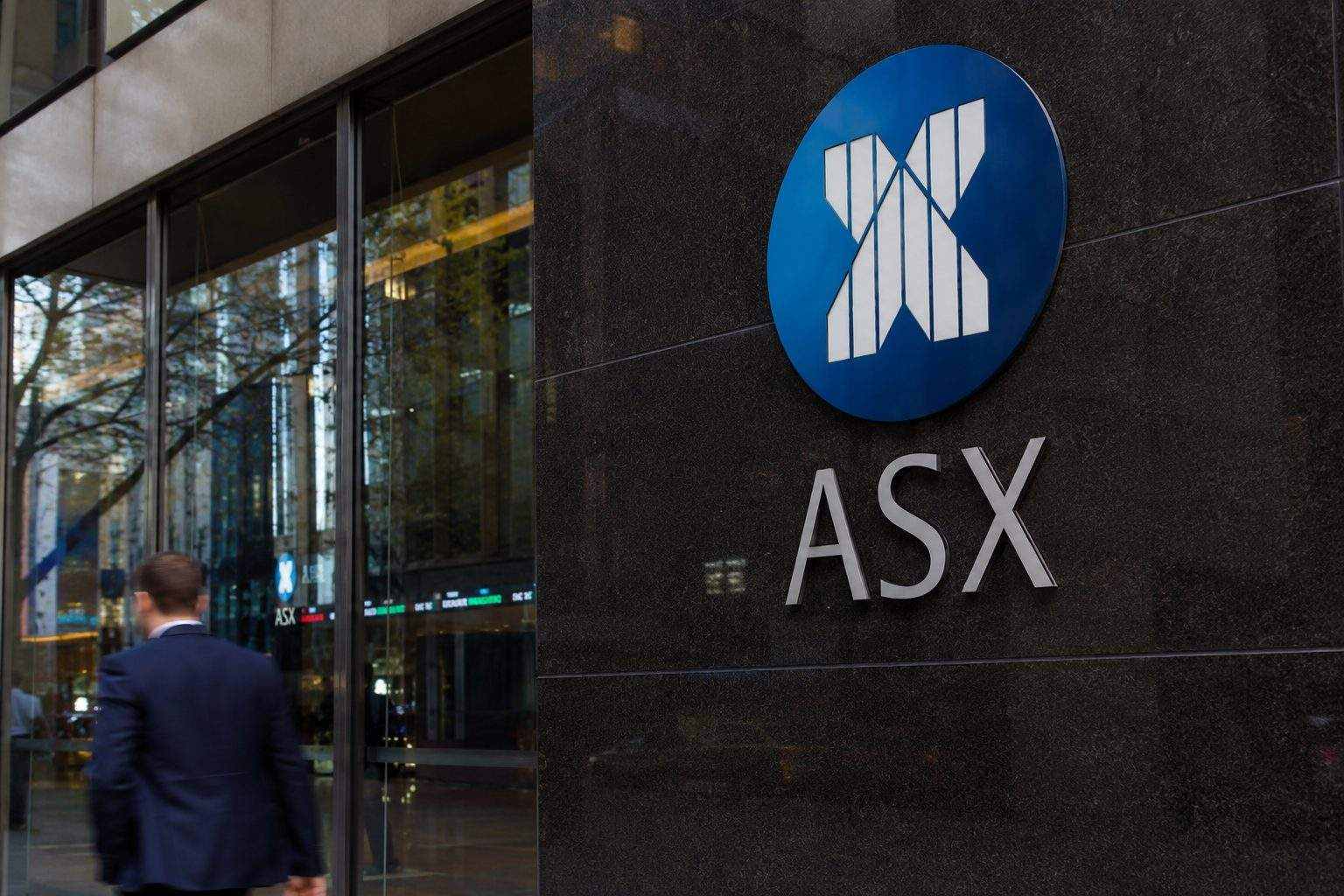
Australian stocks extended gains into a second day on Thursday. The S&P/ASX 200 finished 84.5 points up at 8,878.1, led by a surge in miners and gold producers. Oil and gas shares, on the other hand, drew sellers.
The timing stands out: just two days back, the Reserve Bank of Australia hiked rates again, highlighting how much local markets are still feeling the effects of inflation tied to energy costs. As oil prices fell, some pressure eased. That shift quickly shuffled the leaderboard, with fortunes for some stocks flipping almost overnight.
Materials led with a 3.7% jump as base metals picked up. BHP finished up 3.8%, Fortescue climbed 3.7%, and Rio Tinto closed 3.2% higher—big miners all in the green. The gold sub-index surged 4.7%, thanks to bullion hovering near US$4,715 an ounce; with gold offering no yield, falling bond rates can boost its appeal.
The ASX snapped back along with a wider risk rally across Asia. According to Reuters, Asian equities touched all-time highs, fueled by hopes that a potential U.S.-Iran agreement might soften the oil price hit. Still, there’s no resolution on the Strait of Hormuz, a vital channel for global energy flows. “If we get an Iran deal, the market’s jump is fair,” said Kyle Rodda, senior financial analyst at Capital.com. “But the rug could get pulled out,” he cautioned. Reuters
Energy stocks took the biggest hit, sliding 2.9% as ICE Brent crude tumbled 7.8% overnight. Prices later clawed back to roughly US$101.73 a barrel during Asian hours. Woodside Energy skidded 4.2%, Santos gave up 3.3%, and utilities linked to energy also lost ground.
Gas-linked stocks slid further after Australian authorities announced LNG exporters must set aside 20% of their natural gas for the east coast market starting next July. Origin Energy, Shell, and Santos—all with east-coast export operations—are in the spotlight, according to Reuters. MST Marquee’s Saul Kavonic labeled the move a “surprise political announcement.” Reuters
The trade isn’t on solid ground. “Optimism over no further escalation has turned into euphoria,” Swissquote’s Ipek Ozkardeskaya pointed out, but she cautioned against getting ahead of reality—past hopes for peace have faded before. Here’s the risk: if negotiations break down, oil prices could climb, inflation pressure comes roaring back, and the ASX’s miner-driven rally could run out of steam. ABC News
Banks chipped in with some help—still, the rotation was tough to miss. Financials managed a 0.5% lift, thanks to Westpac, ANZ, and Commonwealth Bank, all ticking higher. National Australia Bank slipped, though, after going ex-dividend, so fresh buyers lost out on the latest payout.
Company news rattled the market. Tabcorp tumbled 23.5% on the ASX 300, hit hard after Australia’s financial crime watchdog launched a probe into the wagering group’s anti-money-laundering and counter-terrorism financing practices. Shares at one point cratered 28% to their lowest in 10 weeks, Reuters said, after AUSTRAC flagged “serious concerns” around Tabcorp’s risk management. Market Index
Markets are eyeing two things right now: a possible dip in fuel costs if Middle East talks gain traction, and whether the RBA holds off after three hikes this year. The central bank flagged that inflation should run hot for a while yet, with pricier fuel already stoking the fire—so investors hoping for an easy, risk-on bounce may need to stay patient.
Related articles: ASX:RIO