Marcin Frąckiewicz

CEO of TS2 Space and founder of TS2.tech. Expert in satellites, telecommunications, and emerging technologies, covering trends in space, AI, and connectivity.

Inside OneWeb’s Global Internet Play: How This Satellite Network Is Quietly Disrupting Starlink’s Orbit

Inside OneWeb’s Global Internet Play: How This Satellite Network Is Quietly Disrupting Starlink’s Orbit

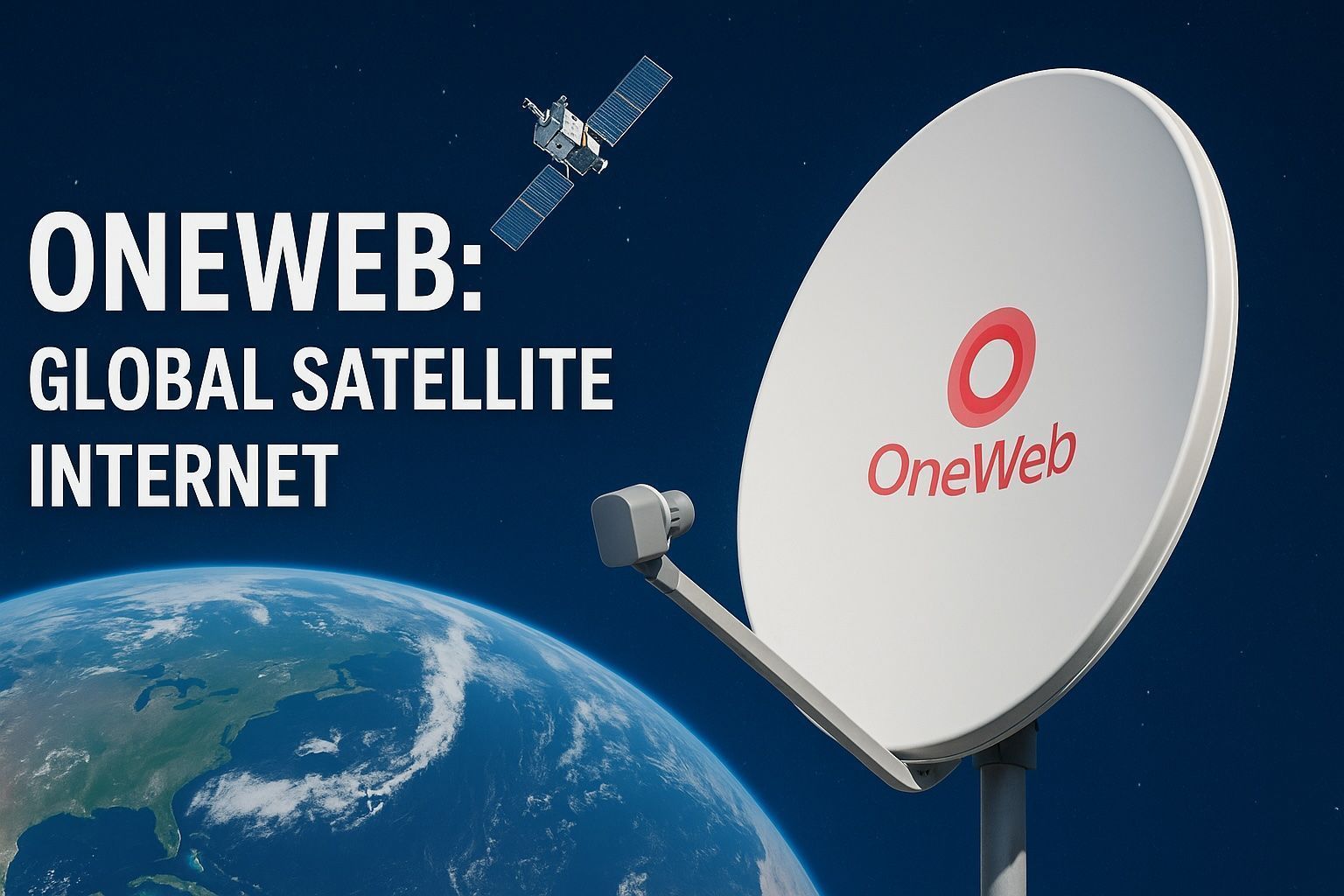
OneWeb’s first-generation constellation comprises 648 LEO satellites at about 1,200 km altitude, each ~150 kg, using Ku-band for user links and Ka-band for gateways, with 16 spot beams and no inter-satellite laser links, delivering up to 7.2 Gbps per satellite. By late 2021, OneWeb achieved partial service in high-latitude regions, focusing on the Arctic, Northern Europe, Greenland, and Alaska. On March 25, 2023, the first-generation constellation reached 614 operational satellites, exceeding the minimum ~588 satellites required for global coverage, with 648 planned total. In September 2023, OneWeb merged with France’s Eutelsat to form Eutelsat OneWeb, making Eutelsat the 100% owner

29 May 2025
Sky-Fi Revolution: How Starlink Is Reshaping Global Internet Access

Sky-Fi Revolution: How Starlink Is Reshaping Global Internet Access

Starlink is a SpaceX satellite internet constellation that began launching in 2019 to deliver broadband virtually anywhere on Earth. As of late 2024, SpaceX had launched over 7,000 Starlink satellites, with FCC authorization for about 12,000 and potential expansion beyond 30,000 in the future. Starlink satellites orbit at approximately 550 km altitude in multiple orbital shells, enabling lower latency than geostationary satellites. SpaceX reached 1 million Starlink subscribers by the end of 2022 and 4 million by September 2024. Each Starlink satellite is equipped with phased-array antennas, and some models include inter-satellite laser links for in-space data routing. The network
Brazil’s Digital Divide: The Real Story Behind Internet Access and the Race to Connect Everyone

Brazil’s Digital Divide: The Real Story Behind Internet Access and the Race to Connect Everyone

As of 2023, about 88% of Brazilians aged 10 or older used the internet, equal to roughly 164 million people. In 2023, about 92.5% of Brazilian households had internet access. Regional disparities exist, with the Central-West around 91% online in 2023 while the North and Northeast hovered around 85%. Fiber-to-the-home (FTTH) has surged, and by late 2024 fiber accounted for about 77% of fixed broadband subscriptions, with about 41.3 million fiber connections out of roughly 53 million fixed lines. 4G coverage is virtually universal, with 4G available in all 5,570 municipalities and over 98% of the population covered. The November
State of Internet Access in Argentina: Fiber, 5G, and Satellite in 2025

State of Internet Access in Argentina: Fiber, 5G, and Satellite in 2025

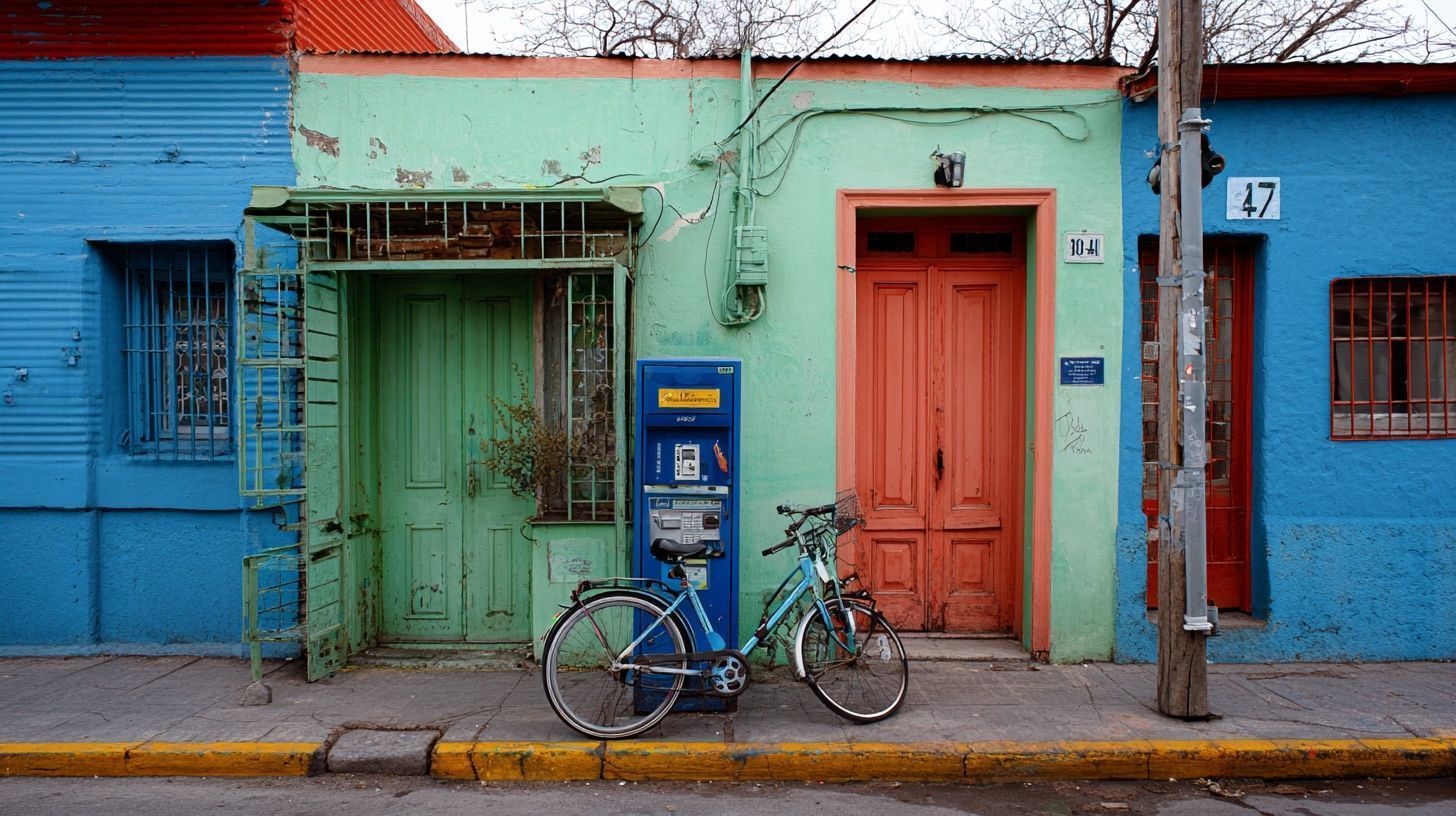
Argentina had about 40.6 million internet users and an internet penetration of 88% in early 2024, according to DataReportal. Fixed broadband subscriptions reached 11.9 million by end-2024, including about 4.8 million fiber subscriptions, up roughly 1 million that year. Fiber grew to represent about 41% of fixed broadband lines nationwide by late 2024, up from roughly 34% at end-2023. In October 2023, a 3.5 GHz mid-band spectrum auction allocated 250 MHz to Claro, Movistar, and Personal, enabling broader 5G deployment. In February 2024, Argentina authorized low Earth orbit satellite providers Starlink, OneWeb, and Kuiper to operate nationwide. Starlink began accepting
29 May 2025
Inside Nicaragua’s Digital Frontier: The Truth About Internet Access and Satellite Connectivity

Inside Nicaragua’s Digital Frontier: The Truth About Internet Access and Satellite Connectivity

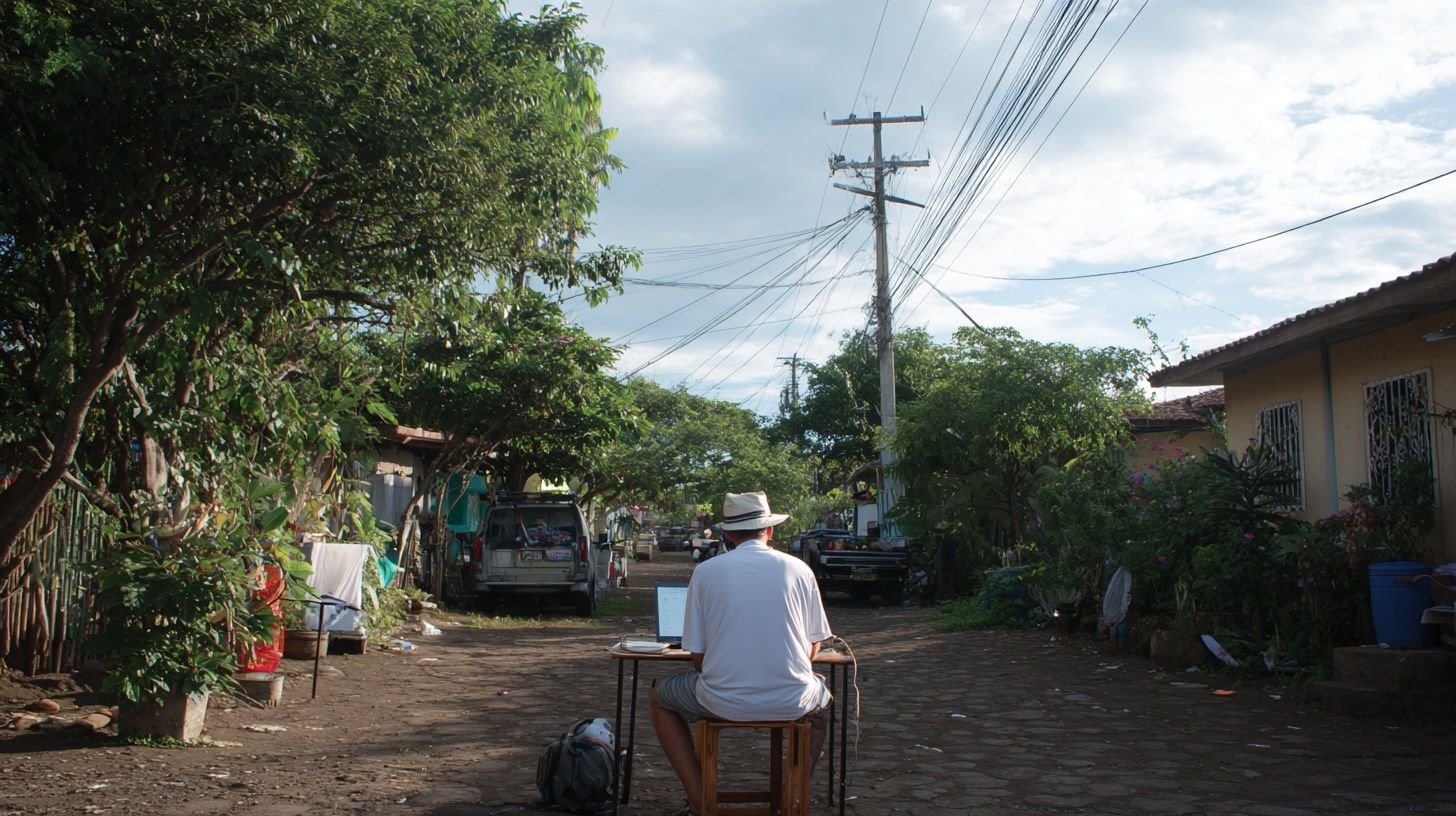
As of early 2025 Nicaragua had 8.71 million mobile connections, about 125% of the population, with more than 95% of lines capable of 3G/4G broadband. In January 2025, 4.47 million Nicaraguans used the internet, equal to 64.1% of the population. There were about 371,000 fixed broadband subscriptions in 2023, 5.43 per 100 people, with most lines in urban areas and fixed access below 6% nationwide. Since 2023 the government has activated free public Wi‑Fi hotspots in 25 parks, managed by TELCOR and municipalities. By 2023 about 87.4% of the population had 4G coverage and over 94% had 3G coverage, though
Connecting the Unconnected: The State of Internet Access in the Central African Republic

Connecting the Unconnected: The State of Internet Access in the Central African Republic

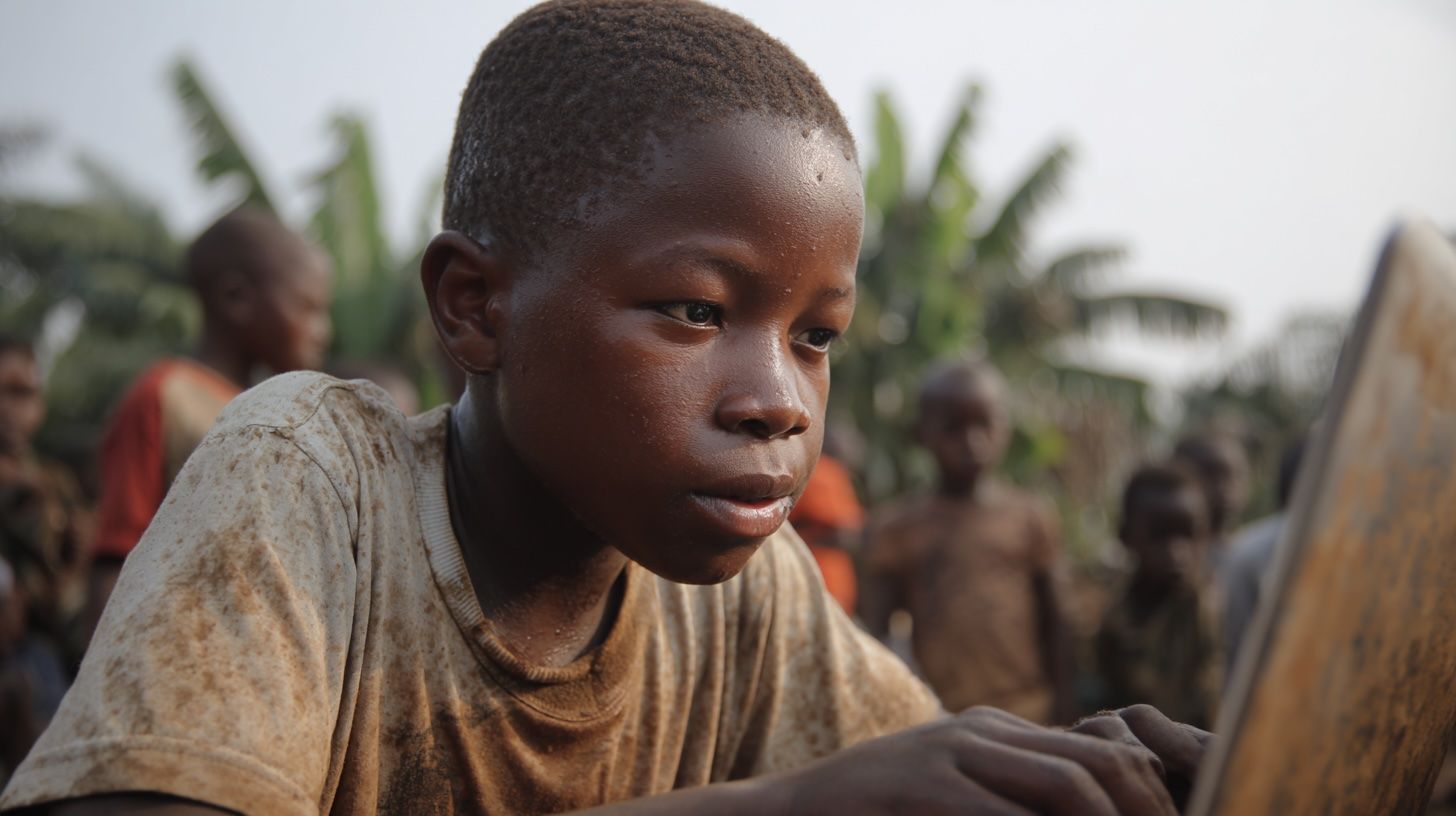
As of January 2024, CAR had 616,600 internet users, 10.6% internet penetration, and about 89% of the population remained offline. In 2024 there were 1.86 million active cellular mobile connections, equating to a 32.0% mobile penetration. About 56% of Central Africans live in rural areas, with only around 14% of households having electricity. The Central African Backbone fiber project delivered a ~900 km national backbone with 11 PoPs, completed in 2023, linking Bangui to Cameroon and the Republic of Congo, and it spawned a Digital Training Center in Bangui (opened 2023) and the Central African Digital Development Agency. Orange Centrafrique
Stay Connected in NYC Without Breaking the Bank: The Ultimate Tourist Guide to Wi-Fi & Data

Stay Connected in NYC Without Breaking the Bank: The Ultimate Tourist Guide to Wi-Fi & Data

LinkNYC has deployed over 2,200 kiosks across all five boroughs, delivering free gigabit Wi-Fi, USB charging ports, and maps on built-in tablets. LinkNYC kiosks require no password to connect and broadcast free Wi-Fi to anyone nearby. All NYC subway stations now offer free Wi-Fi on the TransitWirelessWiFi network, though signal may drop in tunnels. JFK, LaGuardia (LGA), and Newark (EWR) airports provide free unlimited Wi-Fi for passengers, with networks such as JFK-Free-WiFi or _Free LGA WiFi. Free Wi-Fi is available in major parks such as Central Park, Bryant Park, Washington Square Park, and the High Line, often via LinkNYC or
29 May 2025
Internet Access in the Philippines: A Comprehensive Report

Internet Access in the Philippines: A Comprehensive Report

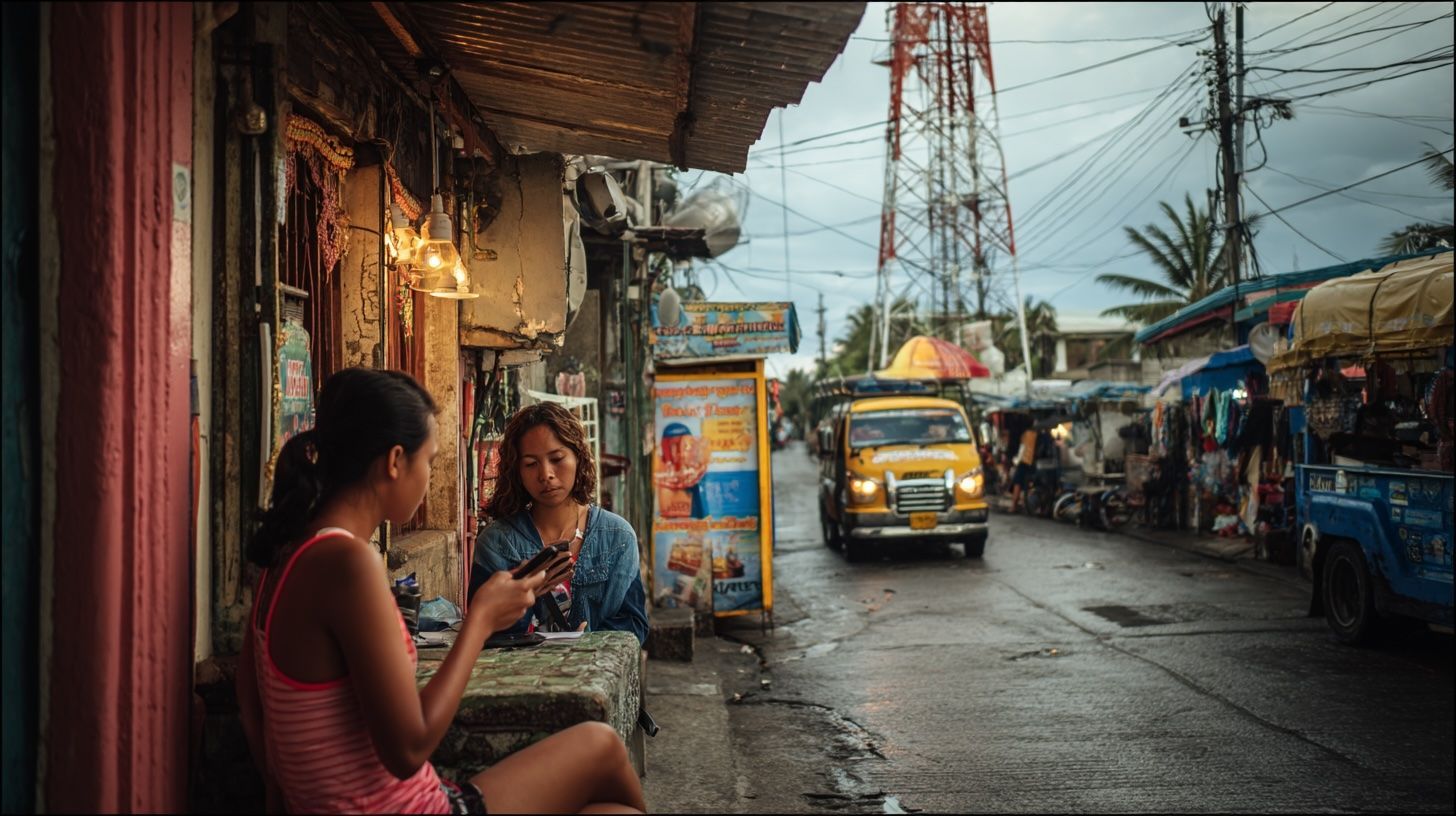
As of early 2025, about 97.5 million Filipinos used the internet, representing 83.8% of the population. The Philippines is an archipelago of more than 7,600 islands, which makes laying fiber and building cell towers across distant areas difficult and costly. Mobile SIM penetration stood at about 123% by end-2024, with around 120+ million mobile subscriptions in late 2024. Around 16% of Filipinos were still offline at the start of 2025, roughly 18–19 million people, due to access and affordability gaps. Fixed broadband total subscribers in 2024 were about 7 million, with fiber-based services dominating urban areas and Metro Manila having
Internet Access in Russia

Internet Access in Russia

As of early 2025, Russia had about 133 million internet users, a penetration rate of 92.2% of the population. Russia’s backbone includes over 100 data centers and 38 Internet Exchange Points, with Moscow and St. Petersburg acting as major hubs. There were 216 million active mobile cellular connections in 2025, equal to about 150% of the population, and about 95% of these connections are broadband. Fixed broadband is dominated by fiber, with FTTH/FTTB accounting for more than 90% of fixed lines in many regions and over 31 million fiber broadband subscribers by 2022. In 2023 Russia had approximately 110 mobile
15 May 2025
Internet Access in India: A Comprehensive Guide for Residents and Tourists

Internet Access in India: A Comprehensive Guide for Residents and Tourists

As of early 2024, India had about 750–950 million internet users, roughly 50–68% of the population, with rural users totaling over 440 million. There are over 1.15 billion mobile connections in use, and more than 95% of internet subscriptions are via wireless mobile networks. Fixed broadband accounts for roughly 4% of subscriptions, with about 40–45 million wired connections nationwide. Fiber-to-the-home and DSL dominate fixed broadband, with fiber plans offering 50 Mbps to 1 Gbps in many metro and tier-2 cities. Entry-level fiber plans start around ₹399–₹499 per month for about 30–40 Mbps unlimited data. 4G coverage now reaches about 99%
15 May 2025
Kuala Lumpur’s Lightning-Fast Internet: Blazing Speeds or Overhyped Connection?

Kuala Lumpur’s Lightning-Fast Internet: Blazing Speeds or Overhyped Connection?

Malaysia’s internet penetration exceeds 97% of the population, with mobile subscriptions around 130%. Fiber broadband in Kuala Lumpur is widely available, dominated by Telekom Malaysia’s Unifi, with TIME dotCom, Maxis, and CelcomDigi as major players; TIME offers symmetrical speeds up to 1 Gbps in many high-rise residences. By early 2024, about 3.32 million of Malaysia’s 4.19 million premises had been fiberized under the JENDELA program, with Kuala Lumpur a focal point of the upgrades. 4G coverage is essentially universal in KL (about 97–98%), while 5G coverage exceeded 80% nationwide by end-2023 and is strong in the city center. 5G rollout
15 May 2025
Connected Malaysia 2025: A Complete Guide to Fiber, Mobile, Satellite & Public Internet Access

Connected Malaysia 2025: A Complete Guide to Fiber, Mobile, Satellite & Public Internet Access

JENDELA (Jalinan Digital Negara) runs 2020–2025 and, by 2022 Phase 1 exceeded targets with 4G reaching about 97% of the population and fiber broadband deployed to 7.74 million premises, with Phase 2 targeting 100% population coverage in populated areas by end-2025. 4G coverage is about 97% of populated areas, with roughly 3% in geographies where access remains difficult, particularly in remote Sabah and Sarawak. Starlink Malaysia received a 10-year license in 2023, became commercially available mid-2023, with a monthly RM220 service, hardware kits priced around RM2,300 (standard) or RM11,000 (enterprise), delivering up to about 100 Mbps down and 20–40 ms

Stock Market Today

Seagate (STX) stock jumps nearly 6% as Citi hikes target — what to watch next week

Seagate (STX) stock jumps nearly 6% as Citi hikes target — what to watch next week

7 February 2026
Seagate shares rose 5.9% to $429.32 Friday after Citigroup raised its price target to $480 and reiterated a buy rating. The gain ended a two-day slide but left the stock 6.6% below its Feb. 3 high. CEO Dave Mosley sold 20,000 shares on Feb. 2 under a pre-arranged plan, SEC filings show. U.S. jobs and inflation data next week are seen as key tests for tech stocks.
Cummins (CMI) stock price rebounds after earnings whipsaw as investors eye data-center power demand

Cummins (CMI) stock price rebounds after earnings whipsaw as investors eye data-center power demand

7 February 2026
Cummins shares jumped 6.8% to $577.73 Friday, recovering from a nearly 9% post-earnings drop the day before. The company reported Q4 revenue up 1% to $8.54 billion, took a $218 million charge tied to its hydrogen business, and guided for 2026 EBITDA of 17–18% of sales. Demand for data center generators offset weakness in North American truck markets. Analyst reaction was mixed; Truist raised its price target.
Corning stock hits first record close since 2000 as jobs, CPI data loom

Corning stock hits first record close since 2000 as jobs, CPI data loom

7 February 2026
Corning shares surged 8.3% to $122.16 Friday, their highest close since the dot-com era, after Meta agreed to buy up to $6 billion in fiber-optic cables. The stock is up 40% since late 2025, fueled by strong first-quarter guidance and AI data-center demand. Insiders sold shares following the rally, SEC filings show. Investors await next week’s U.S. jobs and inflation data for rate signals.
Go toTop