
Beijing, May 8, 2026, 17:04 (China Standard Time)
- Kunlunxin is moving ahead with plans for a Shanghai STAR Market IPO, but isn’t shelving its Hong Kong listing ambitions just yet.
- Chinese investors are piling into local chipmakers, all riding the wave of artificial intelligence demand.
- Baidu is under the gun to prove that its AI efforts are enough to counter softness in its traditional advertising segment, as it heads into first-quarter results on May 18.
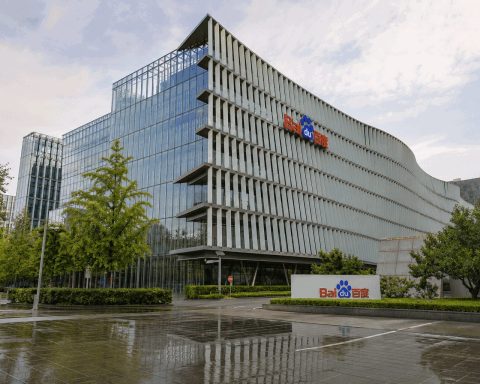
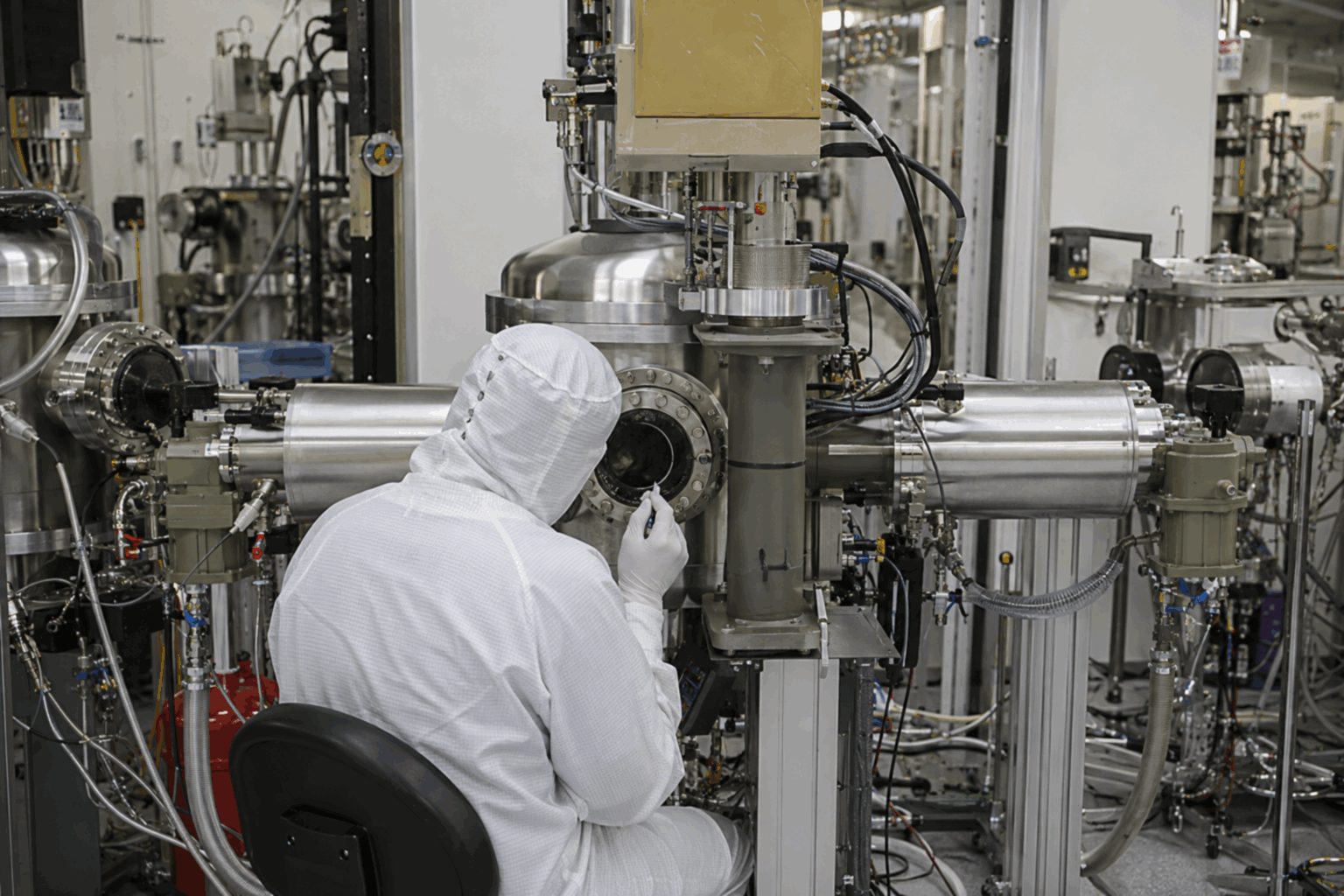
Baidu Inc.’s AI chip arm, Kunlunxin, is taking steps for a Shanghai listing, on top of its previously announced Hong Kong IPO plan. The move gives investors more visibility into a closely watched Baidu asset.
Timing is crucial here. Chinese tech companies are under pressure to secure funding for homegrown computing infrastructure, with U.S. restrictions cutting them off from top-tier chips made by suppliers like Nvidia. Yet appetite for “inference”—the processing needed to run already-trained AI models—continues to climb. The Business Times
Baidu is in the hunt for its next catalyst. Back in February, the company posted a 4% drop in fourth-quarter revenue as sluggish ad sales wiped out gains from its cloud business. CEO Robin Li called AI the “new core of Baidu.” Finance chief Henry He put a number on the bet: over 100 billion yuan invested in AI across three years. Reuters
Kunlunxin inked a tutoring deal with China International Capital Corp on April 29, according to a filing posted on China’s securities regulator site. Tutoring in China refers to the pre-IPO coaching and compliance steps companies complete before seeking to list shares domestically.
Kunlunxin’s ambitions in Shanghai come as the Baidu unit eyes a listing in Hong Kong. Back in January, Baidu disclosed that Kunlunxin filed a confidential application with the Hong Kong stock exchange. Even after any spin-off, Baidu said, Kunlunxin would still be counted as a subsidiary.
Baidu shares in Hong Kong finished up 5.75% at HK$145.20 on Friday, after reaching as high as HK$145.90 earlier in the session. Investors jumped in on the news.
Jefferies analysts led by Thomas Chong pointed to Baidu’s move toward a Shanghai listing as a step forward in its effort to spin off Kunlunxin, noting that listing onshore should give Chinese AI model firms and chipmakers better access to local capital. The team still sees the Hong Kong debut happening in the third quarter.
It’s a packed field, but Baidu finds some advantages. Names like Moore Threads and Biren Technology have piqued investor interest, with Beijing’s push for homegrown chip options gaining traction as U.S. component access tightens. There’s talk that Alibaba will list its chip division soon, upping the urgency for Baidu to act before the opportunity slips away.
Kunlunxin originally started out as Baidu’s in-house chip operation, before spinning out as an independent entity—though Baidu still holds the reins. Historically, most of its chips have ended up in Baidu’s own products, but lately, outside sales have picked up. In December, Reuters pegged Kunlunxin’s valuation at about 21 billion yuan, or close to $3 billion, following a funding round.
Risks remain. Baidu noted that the specifics of the planned spin-off—size, structure, all of it—are still up in the air, with approvals pending from both the Hong Kong exchange and Chinese regulators. The company also flagged uncertainty around the deal’s timing, or even whether it will go ahead at all.
Another key moment lands shortly. Baidu will release Q1 earnings ahead of the U.S. open on May 18, followed by a management call with investors at 8 p.m. Beijing time that day.