
Ottawa, June 11, 2026, 16:03 (ET)
- The Bank of Canada kept its policy rate at 2.25% again, marking its fifth pause in a row.
- Governor Tiff Macklem called it a monetary policy “dilemma,” with weak growth and inflation still rising.
- The Canadian dollar touched a seven-month low after yield spreads between Canada and the U.S. moved wider.
Bank of Canada holds key rate at 2.25%, pauses again
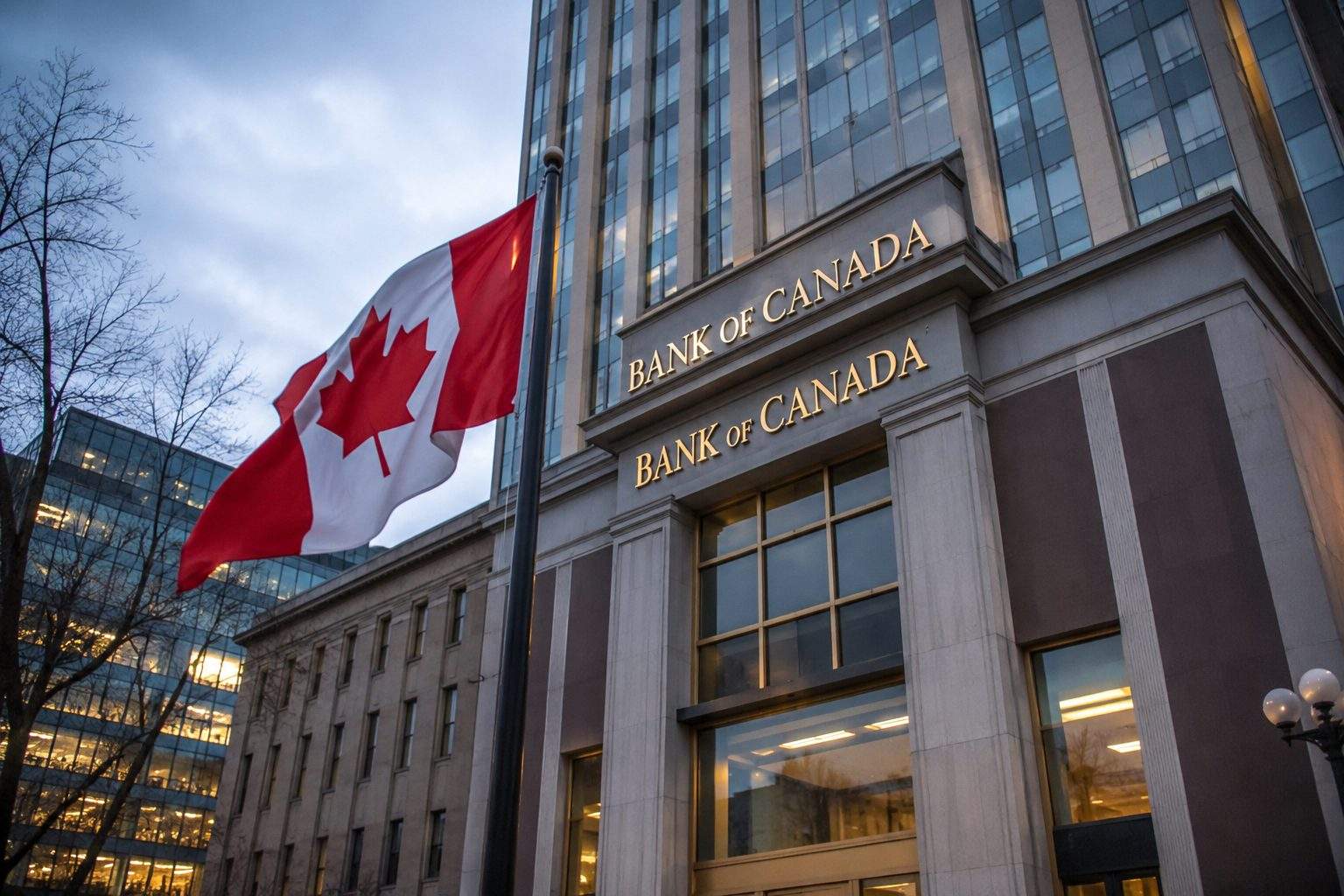
The Bank of Canada on Wednesday left its main interest rate at 2.25%. Policymakers decided to stay put as they watch weak growth at home and inflation from higher energy costs. The Bank Rate remains at 2.5% and the deposit rate stays at 2.20%. The central bank has now kept rates unchanged since its last move, a cut in October 2025.
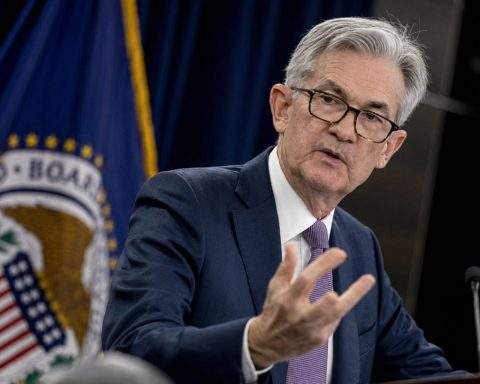
Governor Tiff Macklem called the rate pause a balance between “economic weakness combined with rising inflation.” In his opening statement, Macklem said hiking rates now could weigh further on the economy, but a rate cut risks letting inflation stick around. “For now, holding the policy rate unchanged balances those risks,” he said. Bank of Canada
The Bank said energy prices have climbed and supply chains are dealing with more disruption as the Middle East conflict enters its fourth month. U.S. tariff risk is still high. In Canada, the Bank said first-quarter GDP slipped 0.1%. Housing fell, business investment stayed soft, but consumer spending managed a 1.4% gain.
Inflation is making rate cuts trickier. The CPI came in at 2.8% in April. The Bank of Canada is projecting inflation will stay close to 3% in the short run, only easing down toward the 2% target over time. Macklem said core inflation numbers have dropped to about 2%. The Bank hasn’t seen much proof yet that high energy costs are affecting overall consumer prices.
Bank of Canada’s move comes as debate continues over whether Canada has tipped into recession. Macklem, speaking to reporters, said “the economy is weak, but not clearly in recession,” Global News reported. GDP numbers have now shown two straight quarters of annualized contraction. Statistics Canada said real GDP was flat in Q1 after dropping 0.2% in Q4 2025, with the figures pointing to sluggish imports, slower investment, and soft domestic demand. Global News
Jobs numbers gave the Bank more ground to hold steady. Statistics Canada reported an 88,000 gain in employment for May, calling it the first solid increase since November 2025. The unemployment rate fell to 6.6%, down from 6.9%. Full-time jobs jumped by 154,000, reversing losses from earlier this year.
Most economists expected the Bank to keep rates steady. All 34 economists in a Reuters poll predicted no move on June 10, and over 80% said the overnight rate would hold through the year. A Wall Street Journal survey of 14 economists also called for the Bank to keep rates at 2.25%.
Morningstar Canada said a group of analysts took the move as a sign the Bank plans to hold rates steady for now, without hurrying toward a hike or a cut. Andrew Grantham at CIBC Capital Markets called it “a very patient central bank” that still has time to watch how risks develop. Morningstar
Canadian dollar fell under pressure again Thursday after a muted initial response to the announcement. Reuters said the loonie hit 1.4023 per U.S. dollar, its weakest since November, before bouncing to 1.3980. Oil prices were volatile, and the two-year yield gap with the U.S. widened to the most in a year.
The Bank of Canada sets its next rate decision for July 15, when it plans to put out a fresh Monetary Policy Report. Governor Macklem said the policy may have to stay “nimble.” He said new U.S. trade restrictions might point to a rate cut, but if higher energy prices keep inflation up, the Bank could look at back-to-back hikes. Bank of Canada
Related articles: Interest Rates