
WASHINGTON, Jan 24, 2026, 06:01 (EST)
- Senators, led by Elizabeth Warren, acknowledged Big Tech’s fresh commitments on data-center power expenses but noted crucial details on rates and contracts remain undisclosed
- Trump urged companies to “pay their own way,” as PJM considers launching an emergency auction to boost new power supply
- FERC, the U.S. power regulator, indicated readiness to act swiftly on any related filings.
U.S. Senator Elizabeth Warren and two colleagues said Big Tech firms responding to their inquiry on data-center electricity costs pledged to pay more. However, the companies stopped short of detailing how they would prevent households from footing the bill for grid upgrades.
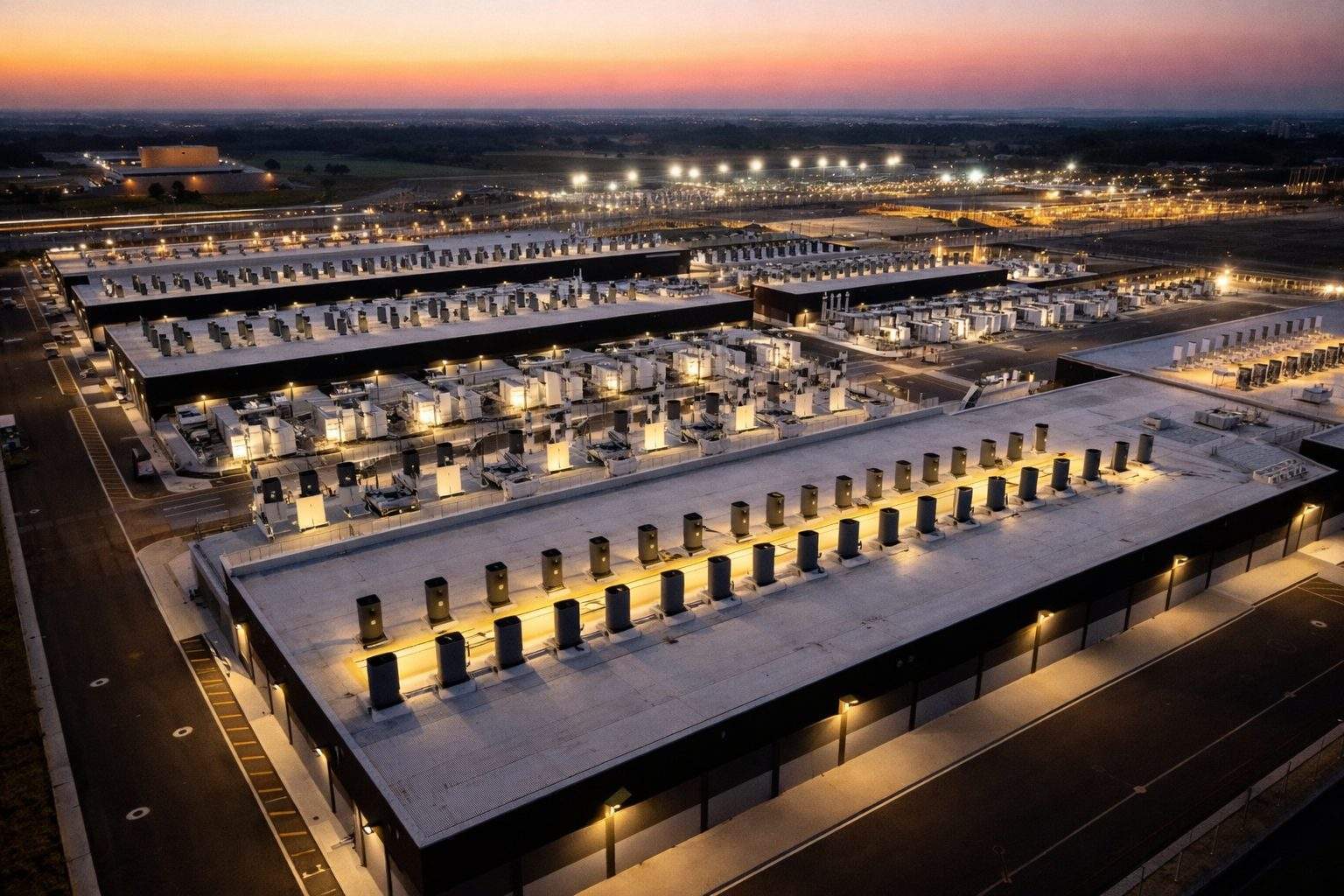
The disagreement comes at a fraught time for utilities and lawmakers. Electricity demand is surging in parts of the country as firms scramble to construct data centers powering artificial intelligence, or AI — software that identifies patterns from massive data sets. Meanwhile, consumer power bills remain a hot-button issue ahead of November’s U.S. congressional elections.
Regulators and governors are now backing plans to place a bigger share of costs on the largest new users, instead of dividing them across all bills. The success of these proposals depends on how fast new power plants and grid connections can be financed, permitted, and constructed — and whether major customers commit to binding, long-term contracts.
Warren, Chris Van Hollen, and Richard Blumenthal said companies refused to disclose key details, like the rates data centers pay and their utility contract terms. Warren pushed for greater transparency from these firms, criticizing them for locking communities into NDAs — non-disclosure agreements that prevent sharing even basic project info.
In letters dated Jan. 12 and shared by the senators, Google stated that “Google, not local residents,” covers the costs for new grid infrastructure needed to support its expansion. The company also said it pays for both its peak power demands and the electricity it consumes. Microsoft, in its response, confirmed it pays for the electricity it uses and the infrastructure to deliver it, while cautioning that detailed site information could pose confidentiality and security risks. https://www.warren.senate.gov/imo/media/doc/big_tech_responses.pdf
Microsoft highlighted that AI workloads depend heavily on GPUs—energy-intensive chips driving numerous AI applications—and noted that power consumption per GPU has jumped about 3.5 times over the past five years. The company pushed for rate structures that avoid pushing these costs onto residential customers. Simply put, these “rate classes” are distinct segments in utility pricing that allow for different charges depending on how large users consume electricity.
President Donald Trump has pushed the cost issue into a wider political debate, commending companies that absorb higher expenses and face public scrutiny. He argued that major tech firms building data centers should “pay their own way,” adding, “I never want Americans to pay higher Electricity bills because of Data Centers.” https://www.theguardian.com/technology/2026/jan/22/trump-datacenters-republicans
The battle is particularly intense in PJM Interconnection, the grid operator covering 13 states plus Washington, D.C., where data centers’ growing power needs are clashing with tighter supplies. Federal Energy Regulatory Commission Chair Laura Swett expressed optimism that PJM and its stakeholders were “working cooperatively,” but stressed the nation must ensure “hard working Americans don’t shoulder increasing energy bills.” https://www.utilitydive.com/news/ferc-pjm-data-center-power-capacity/810324/
FERC can weigh in on market-rule changes, but Swett and her fellow commissioners emphasized that states and developers must still convert incentives into real projects. Commissioner David Rosner cautioned that even nailing the market’s “price signal” won’t cut it if financing, permitting, and construction drag behind.
Within PJM, there’s talk of a “reliability backstop” auction — a targeted procurement designed to attract new generation if planners spot a looming capacity gap. The goal is to guarantee longer-term revenue streams for new power plants, shifting a bigger share of costs onto utilities and large customers linked to that load growth.
Talen Energy CEO Mac McFarland supported the move, emphasizing that “costs of electricity should be paid by those that use the electricity.” He also stressed the measure should remain temporary and focused. https://www.utilitydive.com/news/talen-energy-supports-PJM-backstop-auction-RBA/809939/
Yet the policy drive isn’t without clear risks: Congress hasn’t set a universal rule requiring data centers to cover each upgrade, and companies insist certain contract details remain confidential. Lawmakers have also flagged that even with a distinct rate class, customers might still face exposure if a developer abandons a project or costs spiral beyond projections.
Electricity prices are climbing, adding fuel to the political debate. U.S. electricity costs rose 6.9% over the 12 months ending November, and have jumped more than 40% from 2020 to 2025, according to Bureau of Labor Statistics figures cited by Reuters Breakingviews.
Related articles: NASDAQ:GOOGL