
New York, June 12, 2026, 11:28 EDT
- S&P 500 edged up in late morning, while the Nasdaq traded close to flat. Oil prices fell, but AI shares stayed volatile.
- SpaceX trading on Nasdaq is the biggest single-stock catalyst today. The IPO will test what investors want from high-growth names tied to AI.
- The Federal Reserve’s meeting on June 16–17 is set as the next key market catalyst, with new economic forecasts on the agenda.
Dow gains 176 points as Wall Street eyes Hormuz deal, stocks mixed in early trading
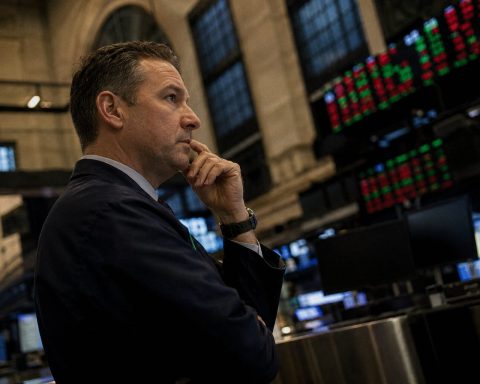
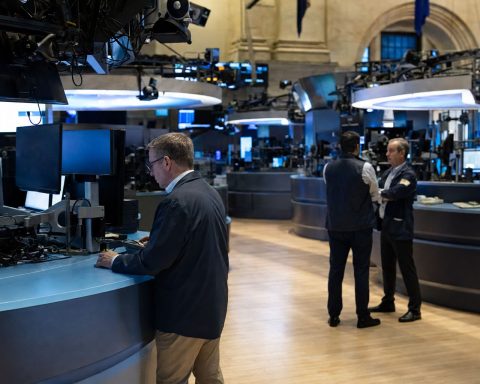
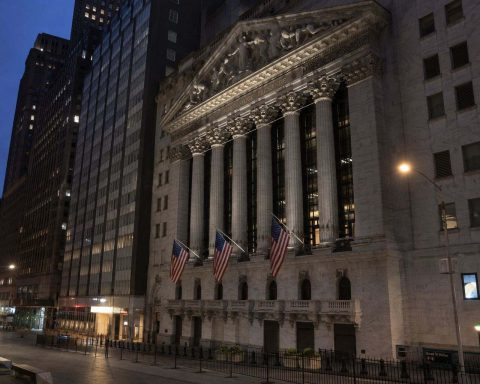
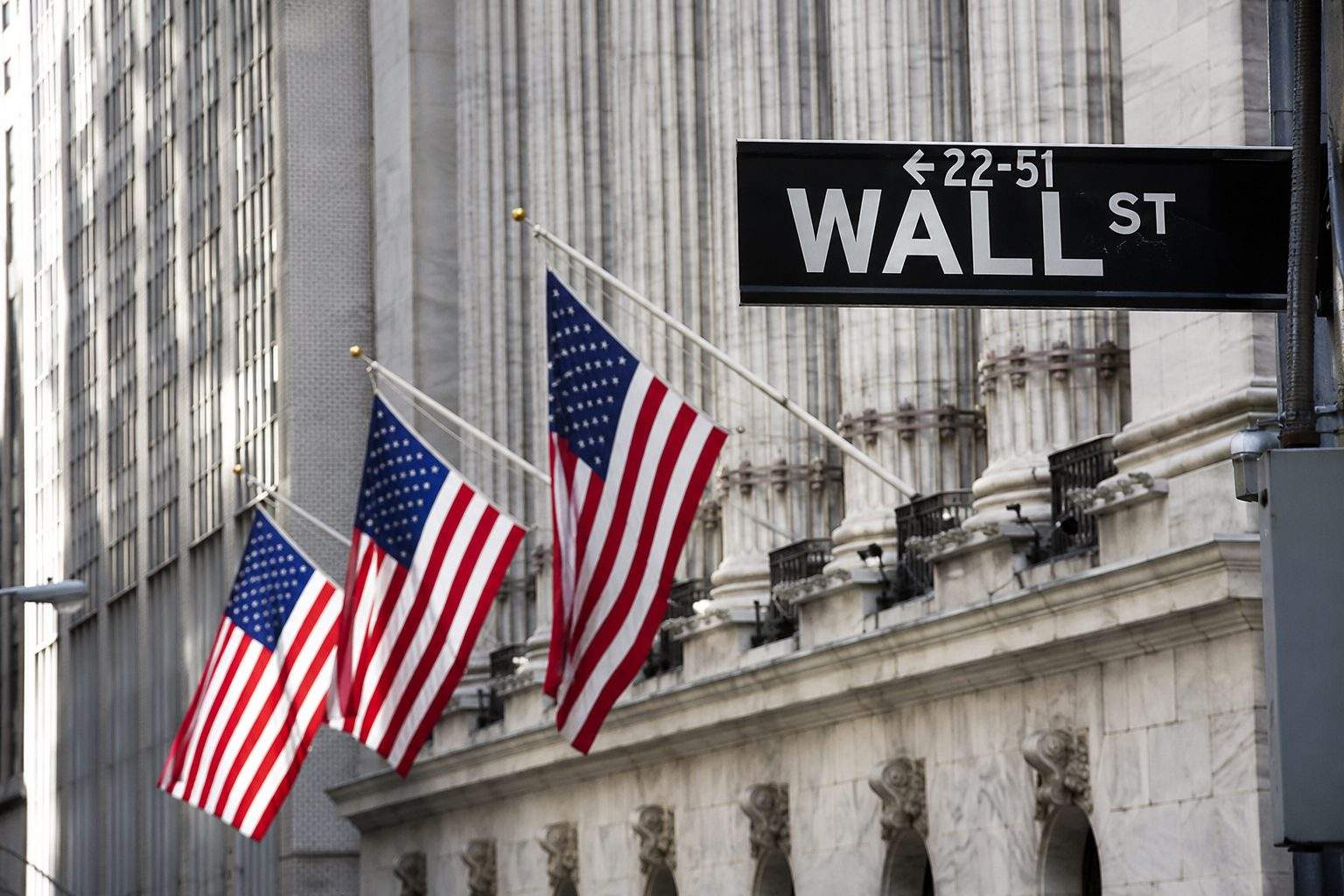
U.S. stocks edged higher to mixed Friday morning, with markets looking to build on Thursday’s rebound. The Dow Jones Industrial Average gained 175.90 points, or 0.35%, to 51,027.28 as of 10:26 a.m. ET. The S&P 500 was up 15.55 points, or 0.21%, at 7,409.88, while the Nasdaq Composite held almost flat at 25,810.97, Reuters reported. Traders cited hopes for a Middle East peace agreement that could reopen the Strait of Hormuz and ease oil-fueled inflation. An index is a group of stocks used to measure broader markets, and the S&P 500 is the main benchmark large-cap investors follow.
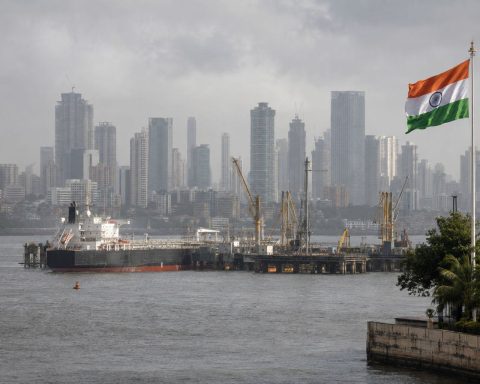
Stocks climbed as traders looked past some energy worries. The move up followed a drop in oil, which has fed inflation this year. With Brent crude down 0.9% to $89.53 a barrel according to AP, and logging more losses this week, pressure on business costs and the Fed also looks lighter. Trump’s decision to step back from a threat to strike Iran and talk of a possible deal weighed on prices. Investors tend to buy stocks on lower inflation or when geopolitical risk falls. But they often sell when inflation, rates, or uncertainty rise and threaten profits.
Markets stayed volatile with AI stocks swinging and investors eyeing the SpaceX IPO to see if it pulls cash from tech names. Reuters put SpaceX’s expected open at $174, about 30% above the $135 IPO price, for a $2 trillion valuation. Only 3% to 4% of shares will float. Jay Woods of Freedom Capital Markets said top IPOs often “initial surge” but then “give some of those gains back.” Reuters
Sector and stock action helped explain the market’s uneven gains. Nine of 11 S&P 500 sectors traded higher, Reuters said, with materials leading. AMD jumped 7% after Citigroup lifted its rating to “buy” from “neutral.” But Amazon and Microsoft both fell, keeping megacap tech under pressure. Adobe dropped as well after CFO Dan Durn left, which sharpened worries about the company’s strategy, even though it raised its full-year revenue and profit outlook. Reuters
Consumer sentiment got a boost, but inflation worries hung on. The University of Michigan’s Consumer Sentiment Index climbed to 48.9 in early June from May’s record low of 44.8, ahead of the 46.0 forecast in a Reuters poll. One-year inflation expectations dipped to 4.6% from 4.8%. Joanne Hsu, director of the Surveys of Consumers, said, “Consumers remain focused on kitchen table issues.” She noted that cheaper gasoline makes some difference, but it doesn’t make inflation go away in households. Reuters
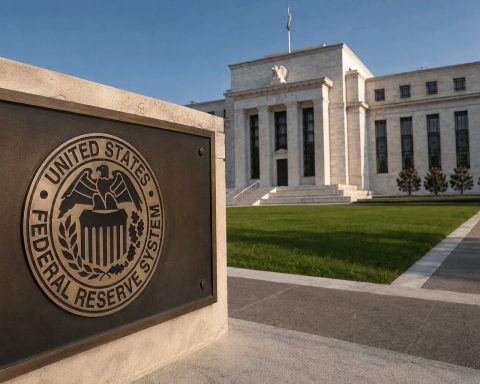
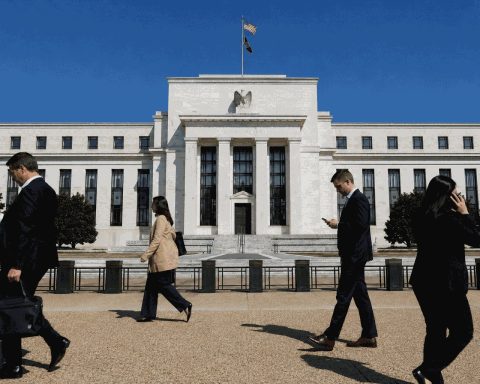
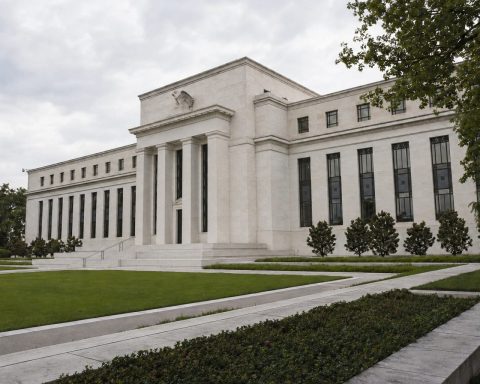
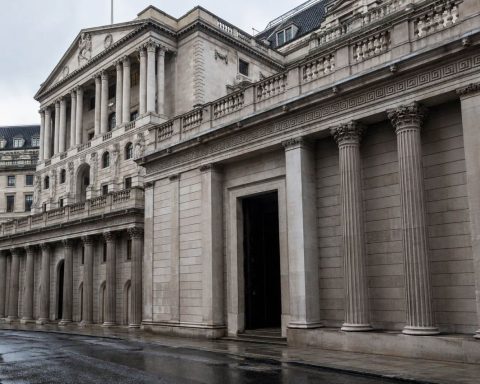
The next big event for markets is the Federal Reserve’s June 16–17 Federal Open Market Committee meeting. The FOMC decides rate policy, and this meeting comes with a Summary of Economic Projections. Investors are set to watch for changes in Fed officials’ forecasts on inflation, growth, and interest rates. Rate outlook is key since higher rates lower the value of future profits, weighing hardest on pricey growth stocks.
Lower oil prices, solid earnings and AI revenue are the main drivers for the bulls. Goldman Sachs Research lifted its 2026 year-end S&P 500 target to 8,000, after updating earnings forecasts. FactSet is pegging second-quarter S&P 500 earnings growth at 21.7% from a year ago. Bears point to valuation: FactSet says the S&P 500 forward 12-month P/E stands at 21.1, up from the five-year mark of 19.9 and the 10-year average of 19.0. On these facts, broad U.S. stocks are more fairly valued or even risky now, not outright cheap. Key risks are a spike in oil, a hawkish Fed, or another shakeout in AI stocks.
Related articles: Federal Reserve