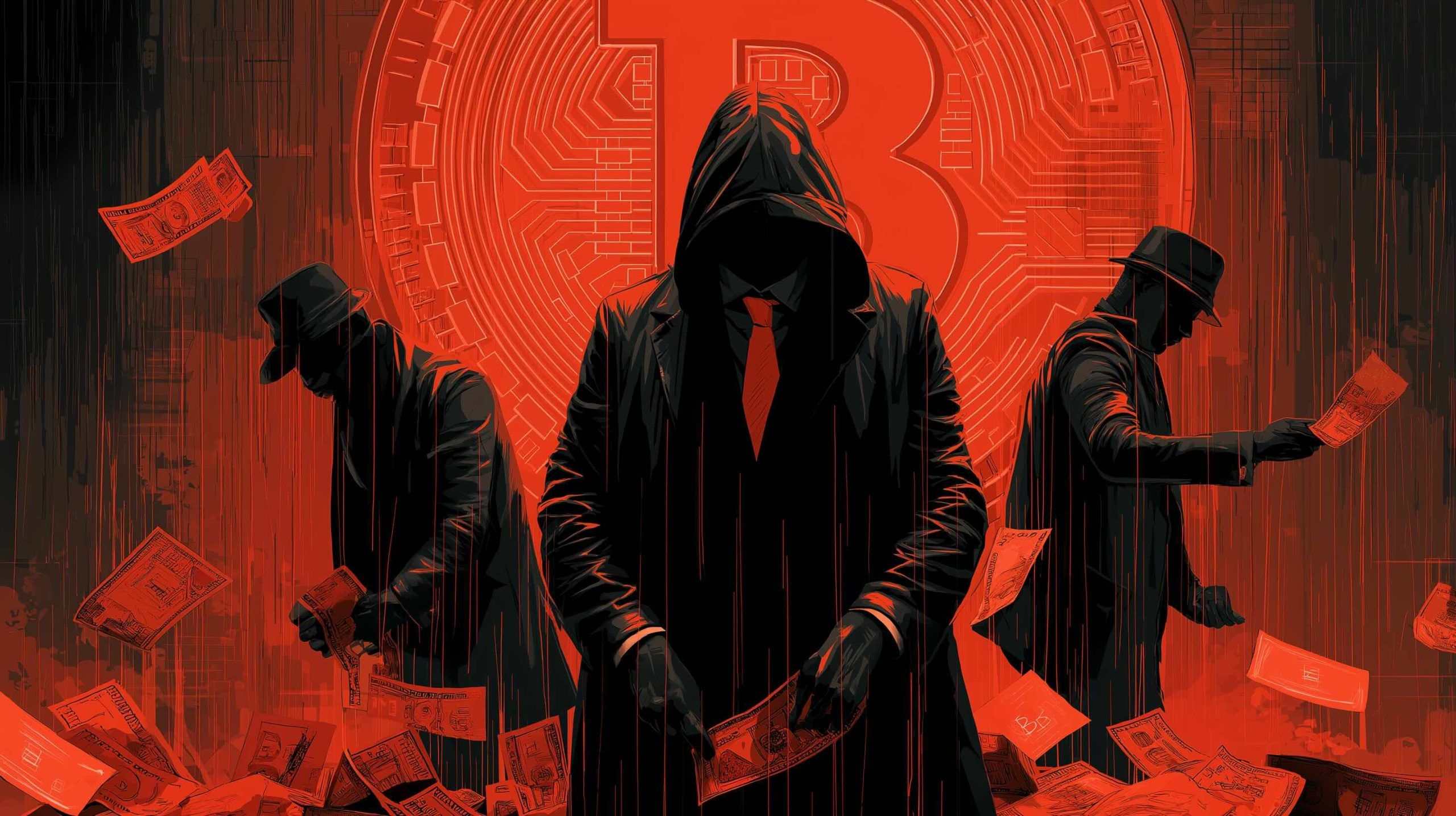

- Record “Black Friday” Crash: Bitcoin and the broader crypto market plunged on Oct. 10–11, 2025, wiping out over $19–20 billion in leveraged positions – the largest one-day liquidation event in crypto historyts2.techts2.tech. The sell-off was triggered by President Donald Trump’s surprise 100% tariff announcement on Chinese goods, which panicked investors and sent Bitcoin tumbling ~10% from ~$125K to briefly under $105Kts2.tech. Ethereum fell ~20%, and many altcoins crashed 30–40% (e.g. XRP –31%, Dogecoin –39%)ts2.tech. Major crypto stocks like Coinbase and Robinhood sank ~5%, while Bitcoin-heavy MicroStrategy slid ~3% amid the turmoilts2.tech.
- Manipulation Suspicions Arise: Mounting evidence suggests the crash was not a natural panic but a coordinated “attack” on the market. Large crypto holders (whales) moved hundreds of millions of dollars in stablecoins to exchanges just before the collapse – a timing that analysts call too coincidental to be chancecryptodnes.bg. Several tokens suddenly lost their peg (fixed value) during the chaos, exploiting a known oracle pricing update window on Binance to trigger cascading liquidationsmitrade.com. “Friday’s crypto crash was a pure market manipulation event designed to wipe out all the leverage… tokens went down more than they were supposed to because of a glitch in the order book and CEX system failures,” argued crypto analyst Ash Crypto, after Bitcoin briefly crashed to ~$102,000 on Binancecryptodnes.bg.
- Exchanges Under Fire – Glitches or Plot? The extreme volatility overwhelmed many trading platforms. Binance users reported frozen interfaces and failed stop-loss orders as prices plummeted, fueling outragemitrade.commitrade.com. “One system freeze and traders lose everything, while you collect the fees,” one trader vented at Binance, accusing the exchange of profiting from liquidationsbeincrypto.com. Crypto.com CEO Kris Marszalek has called for an independent investigation into exchanges that saw the worst liquidations, noting that “billions in users’ funds vanished overnight” and regulators must step in to protect investorsmitrade.com. OKX CEO Star Xu even suggested that Binance’s own practices – “inflating token prices… exploiting user sentiment through hype” – erode trust and can backfire system-widemitrade.com. Xu alluded to Binance’s role in the 2022 FTX collapse, warning that taking down a competitor can trigger “a systemic collapse of the entire industry” with “no real winners”mitrade.com.
- Whale Wallet Clues – Binance & Coinbase in Focus: On-chain sleuths uncovered suspicious wallet activity surrounding the crash. Researcher YQ found that three Binance-listed collateral tokens — a dollar stablecoin USDE, Wrapped BETH (wBETH), and BnSOL — all de-pegged within minutes of each other during an internal price oracle updatebeincrypto.combeincrypto.com. USDE plunged to ~$0.65, wBETH to ~$430 (nearly 90% below ETH’s price), and BnSOL to ~$34beincrypto.com, which spiked margin requirements and liquidations for many Binance tradersmitrade.com. Notably, this happened 23 minutes after the initial wave of liquidations — a “sequential execution rather than random panic,” as YQ observedbeincrypto.com. YQ estimates the coordinated exploit siphoned $800 million–$1.2 billion in profits from the marketbeincrypto.com. “The precision, timing, venue-specificity, and profit patterns align too perfectly with what a coordinated attack would look like… someone turned Binance’s transparency into a vulnerability and extracted nearly a billion dollars in the process,” the analyst concludedbeincrypto.com. At the same time, attention is also on Coinbase. Blockchain analytics firm MEFAI revealed that Coinbase transferred 1,066 BTC from a cold wallet to a hot wallet shortly before prices began tankingbeincrypto.com. Around that moment, a newly created wallet (allegedly U.S.-based) bought 1,100 BTC on Binance and then sent it to Coinbasebeincrypto.combeincrypto.com. Such moves are unusual because Coinbase typically handles large institutional trades over-the-counter to avoid rocking the marketbeincrypto.com. The fact that big Bitcoin blocks were shifted into the public market right as the crash started “may have intensified selling pressure,” MEFAI notedbeincrypto.combeincrypto.com. While no direct link between the Binance and Coinbase anomalies has been proven, the synchronized timing and scale have deepened suspicions that this rout was “more than a coincidence”beincrypto.com.
- Timing “Too Perfect” – Oracle Exploit Theory: Crypto analysts point to a striking timing coincidence: the crash struck just after Binance announced an oracle price adjustment (on Oct. 6) but before it took effect on Oct. 14. This gave would-be attackers a clear window to actmitrade.com. “Another piece of evidence suggesting the attack was premeditated is the timing — it occurred precisely between Binance’s announcement of an oracle price adjustment and the actual implementation… providing attackers a clear window of opportunity,” noted crypto news outlet Wu Blockchainmitrade.com. In other words, attackers may have known exactly when and how to exploit pricing gaps on Binance’s cross-margin system. Algorithmic trading bots then amplified the chaos by rapidly executing sell orders across exchanges, worsening the volatility cascademitrade.com. Some observers even speculated that Binance might have intentionally leveraged the turmoil to hit a rival platform (Hyperliquid), though official explanations blame the meltdown on a combination of low liquidity and excessive leverage in the systemcryptodnes.bg. Binance has apologized for the platform outages and pledged to reimburse users who can prove losses due to technical failures (though not losses from normal market moves)mitrade.comts2.tech. “When we fall short, we take responsibility — no excuses… we will manage what we are responsible for,” Binance co-founder Yi He vowed in a public statementmitrade.com.
- Market Recovers Cautiously: In the crash’s immediate aftermath, Bitcoin bounced from its lows near $102–105K back to ~$111K by Oct. 12ts2.tech, as initial panic subsided. The Crypto Fear & Greed Index – which had plunged from a bullish 64 (“Greed”) to just 27 (“Fear”) within 24 hours of the tariff shock – began stabilizing by that weekendts2.tech. “The worst of the selling had passed by Sunday… we’re kind of in a rebound-to-stable position,” said Joshua Duckett of CryptoForensic, noting the market had essentially stabilized after the flush-outts2.tech. However, as of Oct. 17, Bitcoin is still struggling around the $105K–$110K levelcoindesk.com, well below its early-October highs. The broad crypto market remains jittery: “Altcoins are under pressure as liquidity rotates back into Bitcoin and stablecoins amid risk-off sentiment,” observed Wenny C., an exchange executive, who described the recent dip as more of a “controlled deleveraging” than blind paniccoindesk.com. Indeed, data show exchange open interest has dropped to mid-year lows (signaling many leveraged bets have been flushed out) while ETF investment inflows remain steady, suggesting long-term institutional money is holding firmcoindesk.com. Analysts note that whale wallets have quietly resumed accumulating Bitcoin at these lower prices, which is helping to put a floor under the marketcryptodnes.bgcoindesk.com.
- Outlook – Rebound or More Pain? Opinion is divided on what comes next. Crypto bulls argue that the purge of excess leverage is “healthy” and could pave the way for a stronger rally into year-end. “Many long-term investors are buying this dip,” noted one strategist, pointing to resilient fundamentals like surging Bitcoin ETF demand and limited new supplyts2.techts2.tech. Wall Street giants remain upbeat: Standard Chartered recently predicted Bitcoin “will soon reach $135,000” if U.S. fiscal gridlock continues to boost demand for alternative assetsts2.tech. Bernstein analysts likewise reaffirmed a $200,000 target by early 2026, citing rapid institutional adoption and ETF inflowsts2.tech. Noted economist Timothy Peterson pointed out that October is historically a green month (average ~+20%), and even after this setback he forecast Bitcoin could climb ~21% in the coming weeks if typical patterns holdts2.tech. “There are still 21 days left in ‘Uptober’,” quipped crypto strategist Samson Mow, suggesting the recent plunge might prove only a minor setback in an otherwise strong quarterts2.tech. Yet, not everyone is convinced the storm has passed. “All bets are off if U.S.–China tensions continue to worsen,” warned CoinDesk’s market analysts, emphasizing that geopolitical risks still loom largets2.tech. The G20’s financial watchdog has also cautioned that gaps in global crypto regulation leave markets vulnerable to such episodes of manipulation and stressreuters.com. Industry leaders are urging prudence. “The lack of new catalysts is one of the key reasons for crypto’s current stagnation,” observed Ruslan Lienkha of YouHodler, advising traders not to rely on hype alonets2.tech. And billionaire investor Ray Dalio reiterated advice to hedge bets: he recommends holding around 15% of one’s portfolio in gold or other stores of value as an insurance policy during turbulent timests2.tech.
In sum, the mid-October “crypto Black Friday” crash has ignited a firestorm of questions about market manipulation and the fragility of trading infrastructure. Evidence of suspicious whale trades, exchange glitches, and perfectly-timed exploits suggest that the rout may have been at least partly orchestrated, rather than a natural response to bad news. Regulators are under pressure to scrutinize what really happened behind the scenes. The crypto market, meanwhile, is gingerly finding its footing again. Bitcoin’s price is well off its highs but signs of resilience – from hodlers doubling down to institutional money staying put – offer hope that the bull run isn’t over. Whether this event goes down in history as a one-off “perfect storm” or the start of a new era of oversight in crypto markets, one lesson is clear: in the wild world of crypto, not everything is as it seems on the surfacecryptodnes.bgbeincrypto.com.
Sources: New analysis and live reporting by CryptoDnescryptodnes.bgcryptodnes.bg; TechStock² (TS2) News Servicets2.techts2.tech; BeInCrypto investigative reportbeincrypto.combeincrypto.com; Mitrade Market News (via BeInCrypto)mitrade.commitrade.com; CoinDesk Market Updatecoindesk.comcoindesk.com; Reuters & Bloomberg reportsts2.tech; and others.
Related articles: NASDAQ:MSTR