
New York, May 9, 2026, 05:10 (EDT)
- Bitcoin hovered close to $80,000, with U.S. spot bitcoin ETFs logging two consecutive days of outflows.
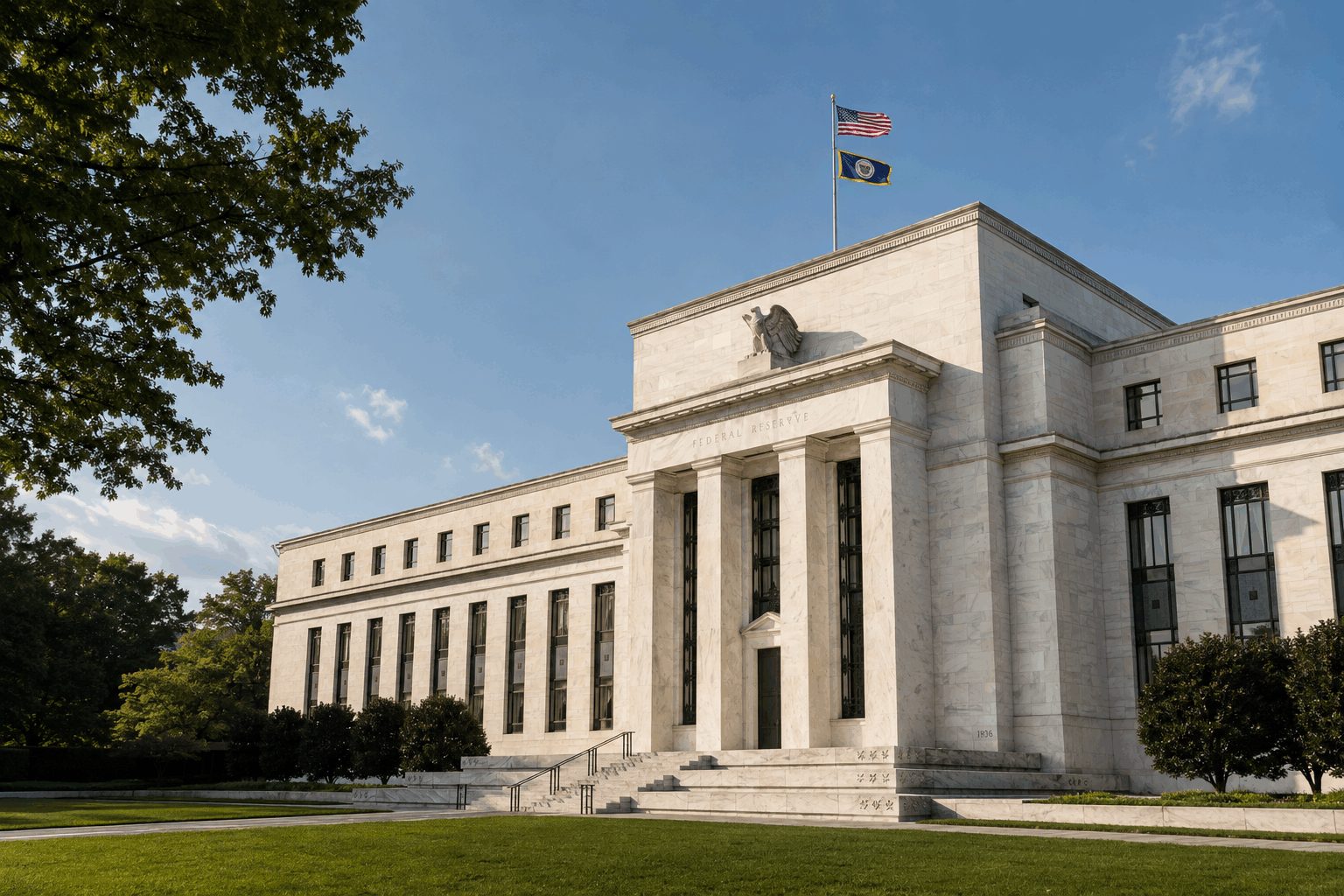
- With U.S. jobs data coming in stronger, recession worries faded, but it also signaled the Federal Reserve could remain on hold with rates.
- Ether and Solana climbed with bitcoin, steadying the broader crypto market. Still, the space remains exposed to bouts of flow-driven selling.
Early Saturday, Bitcoin hovered just under $80,000, steadying after back-to-back sessions of outflows from U.S.-listed spot bitcoin ETFs that had put pressure on the crypto’s most recent climb.
Bitcoin changed hands near $80,391, dipping as low as $79,563 and touching $80,602 on the day, market data showed. That price action kept the token sitting above a key level—one that’s turned into a litmus test for how much institutional interest can offset profit-taking after the earlier sharp rally.
This is key now, as ETFs serve as a straightforward read on mainstream bitcoin appetite. Exchange-traded funds let investors gain bitcoin exposure in their brokerage accounts, sidestepping direct ownership of the token.
U.S. spot bitcoin ETFs saw net outflows of $268.5 million on May 7, according to Farside Investors data, with another $145.7 million leaving the next day. On Friday, Fidelity’s FBTC topped the list of withdrawals at $97.6 million. BlackRock’s IBIT trailed with $27.2 million in outflows.
Bitcoin dropped back under $80,000 on Friday, losing ground after briefly climbing past $82,000. According to Riya Sehgal, a research analyst at Delta Exchange, traders started cashing out profits following the rally, as ETF outflows weighed on sentiment and prompted a more cautious tone.
Crypto bulls didn’t get much clarity from the latest macro data. U.S. nonfarm payrolls climbed by 115,000 in April, beating the 62,000 forecast from economists surveyed by Reuters, while the jobless rate stuck at 4.3%, according to the Labor Department.
It’s a complicated picture for bitcoin. Strong jobs numbers can keep investors interested in risk, yet they also dampen hopes for imminent rate cuts. With rates staying high, bitcoin and other non-yield plays start to look less attractive compared to cash, T-bills, and assets that actually generate income.
“This basically suggests that the Fed has to concentrate on inflation,” said Peter Cardillo, chief market economist at Spartan Capital Securities, speaking to Reuters following the jobs numbers. Over at Orion Advisor Solutions, chief investment officer Tim Holland called the report evidence that the U.S. economy faces “little risk of recession.” Reuters
Ether hovered close to $2,316, posting a 1.4% gain for the session. Solana saw a stronger move, up nearly 6% at $93.73. That kind of action pointed to lingering risk appetite across bigger tokens, despite a slowdown in bitcoin ETF inflows.
There’s also a scramble heating up over crypto access. According to the Financial Times, Morgan Stanley is rolling out spot crypto trading for E*Trade users, kicking off with bitcoin, ether, and solana. That pulls a heavyweight Wall Street name further into retail crypto activity.
Switzerland’s push to get the Swiss National Bank to stash bitcoin in its reserves has run aground. According to Reuters, supporters of the plan didn’t manage to collect enough signatures for a referendum. The SNB remains firmly against adding crypto, pointing to volatility and liquidity risks.
ETF outflows lingering beyond two days pose a clear risk. Should redemptions accelerate, especially as optimism for U.S. rate cuts dims, bitcoin might slip below $80,000 again. That could spark another round of short-term selling by leveraged traders. Right now, though, the market holds steady. It’s pausing, not cracking.
Related articles: NYSE:BLK