
NEW YORK, April 26, 2026, 16:02 EDT
- Oracle’s Michigan AI data center is getting new life, fueled by Blackstone-backed financing.
- Private capital is piling into data centers, but power supply is starting to hold things up—and that’s the backdrop for this deal.
- Electricity use, water concerns, and transparency issues are still drawing pushback from both local groups and regulators.
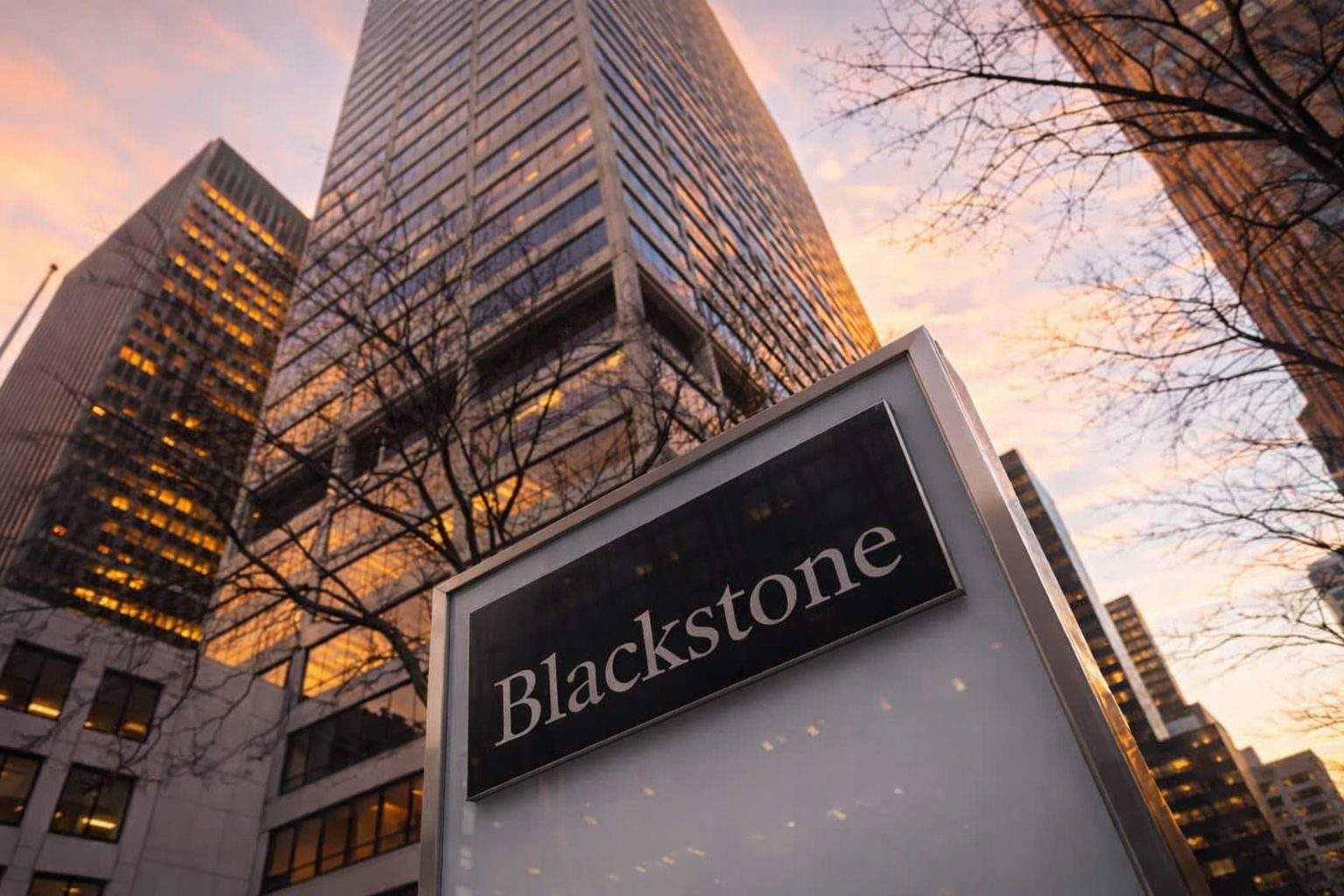
Blackstone Inc. and Related Digital have locked down financing for the $16 billion Oracle data center campus planned for Saline Township, Michigan, bringing new private capital to one of the largest U.S. AI infrastructure builds. According to the companies, the financing structure pulls in equity from Related Digital and Blackstone-linked funds, with fixed-rate, long-term debt provided by funds and accounts overseen by PIMCO.
This deal is front and center as AI firms scramble for more compute — massive processing power — and that’s driving asset managers like Blackstone further into physical assets, from data centers to power infrastructure. For Blackstone, the project doubles as a way to offer investors a more straightforward growth narrative, especially with some areas of its private-credit operation under the microscope for redemptions and lending criteria.
PIMCO snapped up roughly $10 billion in bonds priced Friday, according to Reuters, which cited Bloomberg News. Bank of America offloaded $14 billion of bonds and Blackstone put in around $2 billion in equity. Bank of America took on structuring agent and financial adviser roles, while Goldman Sachs and Wells Fargo also worked as advisers to Related Digital.
Oracle’s new campus, closely linked to its partnership with OpenAI, is part of both firms’ efforts to boost U.S. AI infrastructure. According to Related Digital and Blackstone, the development will bring three single-story data center buildings together, with capacity topping one gigawatt—a figure equivalent to 1,000 megawatts. That scale makes securing enough power a core financial issue for the project.
Nadeem Meghji, who leads Blackstone Real Estate globally, described demand for digital infrastructure as moving at “a breathtaking pace,” fueled by AI and the ongoing digital shift. Blackstone expects the project to generate over 2,500 union construction jobs, more than 450 onsite positions, plus upwards of 1,500 jobs across the county. Blackstone
Blackstone is expanding its AI-infrastructure effort with the financing. Just this month, Blackstone Digital Infrastructure Trust put in a registration statement for a planned IPO aimed at holding stabilized, recently constructed data centers. If it moves forward, the trust is set to trade on the New York Stock Exchange as BXDC.
Competition in the sector is intense. Bain Capital is looking to offload at least 40% of Bridge Data Centres, targeting a $5 billion valuation for the Singapore firm, according to Reuters. In February, a KKR-Singtel consortium struck a $5.2 billion deal for full ownership of ST Telemedia Global Data Centres. Private equity is now making data centers a core bet, not a peripheral play.
Blackstone posted a 25% jump in distributable earnings for the first quarter, reaching $1.76 billion, or $1.36 per share. The firm’s credit and insurance business attracted $37 billion in new money, with private equity picking up $20.4 billion, according to Reuters.
But the report also reveals a bumpier stretch: Blackstone’s main private credit vehicle, BCRED, saw $3.7 billion pulled out in Q1, producing net outflows. Private credit here refers to loans from non-bank funds, typically outside public bond markets. On the analyst call, CEO Stephen Schwarzman insisted that institutional and insurance clients kept putting in big money “despite the external noise.” Reuters
There’s more at stake than just money. According to Michigan Public, critics of the Saline Township project are pushing back over issues ranging from the site’s environmental footprint to questions about energy usage and openness. Michigan Attorney General Dana Nessel has gone after DTE Energy contracts linked to the facility, saying the companies’ heavily blacked-out filings fall short of substantiating their claims on what customers will actually pay.
Resistance is picking up momentum. On Friday, Reuters said Maine’s governor shot down a bill that would have imposed the nation’s first state-level freeze on big new data centers—this as roughly twelve states weigh restrictions tied to worries about power, costs, air quality, and water use. Political complications could bog down deals that seem straightforward in theory.
Blackstone shares slipped 0.56% to finish at $121.65 on Friday, just ahead of the U.S. market’s weekend pause. The stock continues to serve as a bellwether for investors juggling concerns over private credit stress and bets on the scale of the AI infrastructure trade.
Related articles: NYSE:BX