
New York, Jan 7, 2026, 12:40 EST — Regular session
- Boeing shares were up about 0.4% after Alaska Air ordered 105 737-10s and five 787s
- Deal adds fresh demand, but the 737-10 still needs FAA certification before deliveries can start
- Investors now look to Boeing’s Jan. 27 results for production and cash-flow signals
Boeing stock rose modestly on Wednesday after Alaska Air Group placed its biggest-ever aircraft order with the planemaker. Shares were up 0.4% at $230.78, after climbing nearly 2% earlier in the session.
The order lands as Boeing tries to lift jet output under close U.S. regulatory scrutiny. The Federal Aviation Administration approved Boeing to raise 737 MAX production to 42 a month in October, ending a cap imposed after a January 2024 mid-air panel blowout on a MAX 9.
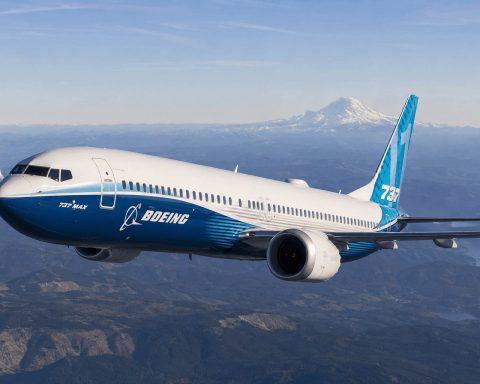
It also drags attention back to the 737 MAX 10, the largest version of Boeing’s best-selling narrowbody line. The FAA has not yet type-certificated the 737-10, meaning airlines cannot fly the model until regulators sign off on the design.
Alaska said it is ordering 105 737-10s and five 787 widebody jets — planes typically used on long-haul routes — and has secured rights to buy 35 more 737-10s. Chief Executive Ben Minicucci called the purchase “another building block” in the carrier’s expansion plan, with deliveries stretching through 2035. Alaska Air, Hawaiian Air, Horizon Air
Boeing said the deal marks 60 years of partnership between the companies and includes options for 35 additional 737-10s. “This is a historic airplane order,” Stephanie Pope, CEO of Boeing Commercial Airplanes, said in a statement. Boeing Investors
The broader market was mixed, with the S&P 500 ETF up about 0.3% while the Dow ETF edged lower. Alaska Air shares were up about 1% after the order announcement.
Boeing said it will release fourth-quarter results on Jan. 27, with CEO Kelly Ortberg and CFO Jay Malave set to speak on a conference call at 10:30 a.m. ET. Investors will be listening for any shift in delivery plans, 737 output and cash flow — the numbers that matter once orders turn into shipped aircraft.
There is a catch. A big order helps the story, but delays on certification or production can still push deliveries — and cash — to the right, while any fresh quality slip would risk more scrutiny from regulators and customers.
The next hard catalyst is Jan. 27, when Boeing reports results and updates outlook, with the MAX 10 certification timeline and 737 production pace likely to dominate the questions.
Related articles: NYSE:BA