
New York, June 9, 2026, 08:07 EDT
- Factorial Energy’s Class A shares started trading on Nasdaq under the ticker FAC on June 8 after CGCT switched over. Warrants now trade as FACWW and units were suspended.
- FAC jumped 16% to $13.80 at Monday’s close. Early Tuesday, premarket quotes had it near $20.70 ahead of the Nasdaq open.
- The transaction puts the equity value at roughly $1.3 billion and raised over $100 million in gross proceeds to support battery commercialization.
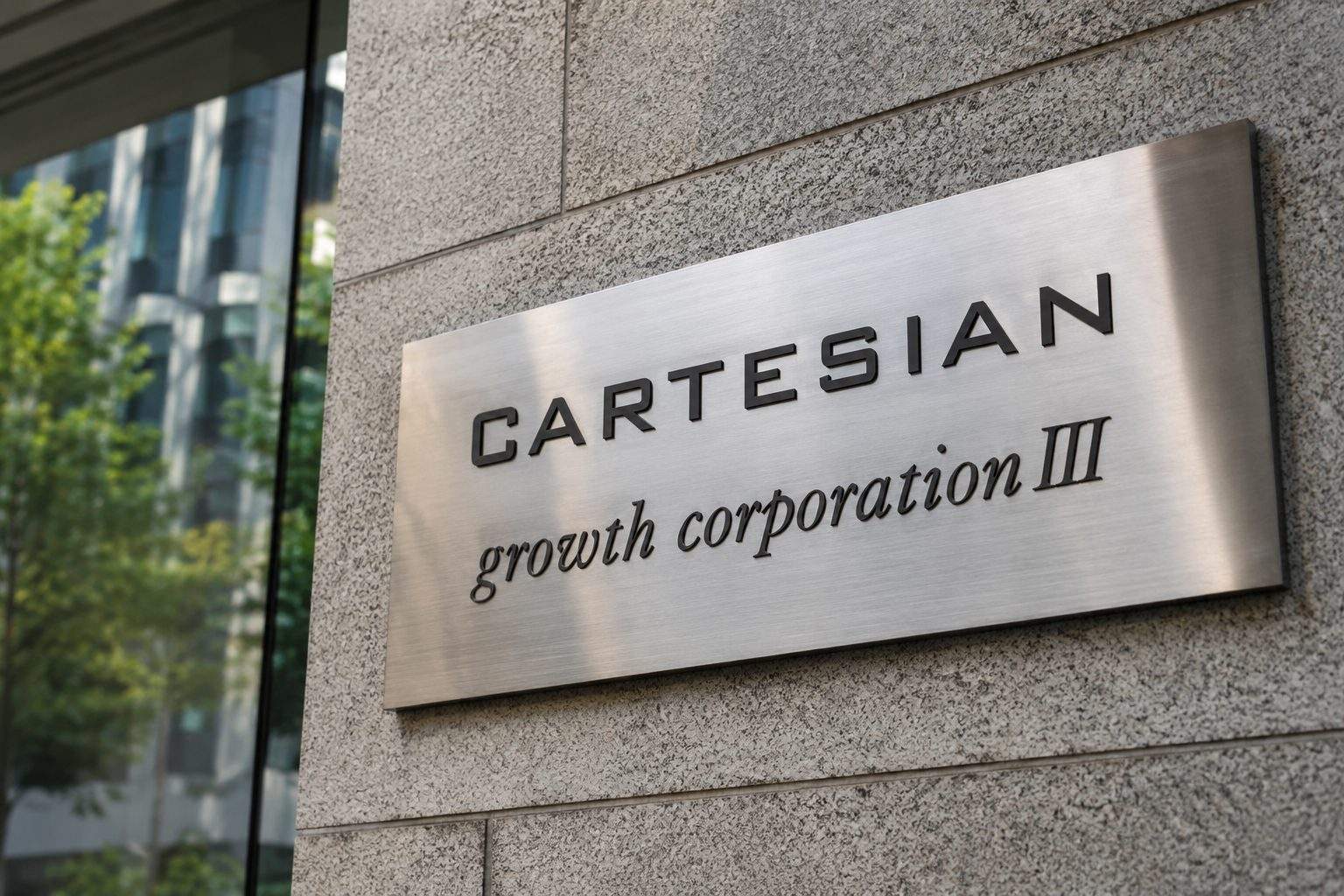
Factorial Energy Inc. saw new premarket demand on Tuesday, building on a strong first day of trading with the FAC ticker after swapping in for Cartesian Growth Corporation III on Nasdaq. Shares closed the opening session with a big gain.
CGCT isn’t just a SPAC anymore. The company has shed its status as a blank-check shell after the merger. A SPAC—short for special purpose acquisition company—is a listed cash shell that combines with a private firm. Now the ticker links to an operating battery company, not just cash.
Nasdaq said Cartesian Growth Class A shares have converted to Factorial Energy Class A common stock under the ticker FAC. The CGCTW warrants are now trading as FACWW. The move follows the close of the business combination on June 5 and took effect June 8.
No regular trading yet at the dateline. Nasdaq is set to open its U.S. session at 9:30 a.m. Eastern and run through 4 p.m., after premarket hours from 4 a.m. to 9:30 a.m. June 9 will not be a market holiday in 2026, according to Nasdaq.
Factorial said the deal brings in capital to move ahead with next-gen batteries in defense, aerospace, hyperscale data centers, and e-mobility. A PIPE is privately placed stock that a public company sells. Peter Yu, chairman and CEO of Cartesian Growth III, said his group was “proud to anchor the common-equity PIPE.” GlobeNewswire
Factorial CEO Siyu Huang said, “We built Factorial to solve one of the hardest problems in energy.” He said the Nasdaq listing will help the company move faster. GlobeNewswire
Solid-state batteries have a solid electrolyte instead of the liquid found in standard lithium-ion cells. They’re expected to improve range, charging speeds and safety. The main hurdle now is showing the tech can actually scale—and that costs will line up with what carmakers or defense buyers want.
Factorial is focusing on validation milestones instead of large-scale output for now. The company pointed to Mercedes-Benz putting a modified EQS through a 1,205-kilometre single-charge run, Stellantis lab tests on 77 Ah cells, and recent deals to integrate batteries in drones across three continents.
Factorial joins a short list of battery-tech names trading publicly. QuantumScape, a solid-state rival, showed a market cap near $4.68 billion based on early quotes. Solid Power was around $642 million.
The deal setup helps account for some of the choppy trading in the stock. SEC filings showed investors pulled back 23,051,313 Cartesian Growth Class A ordinary shares before the domestication. Each CGCT Class A share left was reclassified one-for-one into Factorial Series A common stock.
The early jump isn’t all upside. Factorial is fresh on Nasdaq, still rolling out its tech, and the founders control voting with Series B shares, so it’s listed as a Nasdaq “controlled company.” Former Factorial holders are also looking at staggered lock-up expiries after the deal, with some unlocks linked to price targets. Factorial, Inc.
CGCT stockholders now see their old ordinary shares trading under the FAC ticker. Public warrants trade as FACWW. The next milestone is Nasdaq’s opening bell—Factorial said it will ring it June 17.
Related articles: Energy Sector