
LONDON, July 14, 2026, 11:01 BST
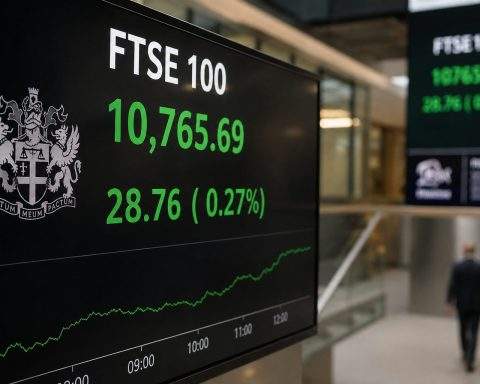
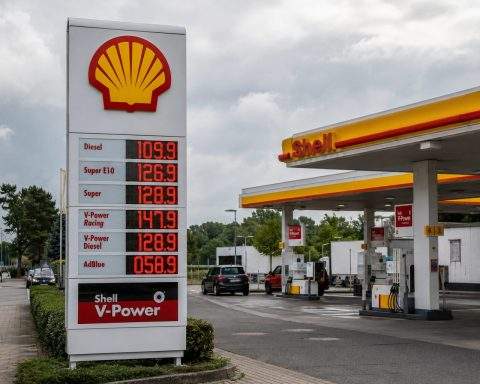
Britain’s FTSE 100 slipped 0.53% to 10,442.49 in late-morning trade, with BP up 2.18% and Shell rising 1.42%. Those oil majors were masking a sharper drop in much of the index. The headline figure downplays the broader sell-off.
The FTSE 250, which is more exposed to the UK economy, slipped 0.76%, while the pan-European STOXX 600 shed 0.7%. Brent crude climbed more than $3 to a one-month high of $86.36 a barrel after fresh U.S.-Iran tensions rattled risk appetite. Oil is supporting London’s producers but weighing on the broader market. The hedge is getting tighter.
A Reuters calculation based on the June 30 holdings of the iShares Core FTSE 100 UCITS ETF (LON:ISF)—an index-weighted proxy multiplying each stock’s portfolio weight by its price move—helps explain the story. Shell accounted for 6.56% of the ETF and BP for 2.91%. Their gains contributed about 0.16 percentage point, or roughly 16 index points, to the total. Excluding those, the remaining 90.5% of the portfolio fell around 0.76%. This is an estimate, not an official FTSE attribution. The move was less broad than the main index.
| Late-morning measure | Move | Investor reading |
|---|---|---|
| FTSE 100 | -0.53% | Headline fall |
| Estimated BP and Shell effect | +0.16 percentage point | Gave roughly 16 points of lift |
| Rest of index, implied | About -0.76% | Wider market under pressure |
The same focus held the FTSE 100 steady on Monday, as oil climbed over 4% and UK energy shares rose 3%, balancing out declines in banks and miners. But on Tuesday, another rally in oil failed to keep the index afloat. Timing plays a role in that.
BP’s latest update gave that cushion a further boost. The company expects higher oil prices will add $1.8 billion to $2.1 billion to second-quarter earnings from oil production and operations, with stronger refining margins — the profit on turning crude into fuels — likely to bring in another $1.2 billion to $1.4 billion. Net debt dropped to between $22 billion and $23 billion from $25.3 billion at end-March. The market is rewarding its cash generation and lower debt.
Citi NYSE:C lifted its second-quarter EPS forecast for BP by 18% after the update. BP shares gained 2.6% as of 0837 GMT, outpacing a 1% rise in the broader European energy sector, before giving back some ground. The move hints the balance-sheet update was as important as crude prices.
Shell rose after warning last week that robust oil and gas trading would lift its quarterly earnings. BP jumped even more on Tuesday, signaling its rally was driven by firm-specific factors, not just a broad move in oil majors. Investors are drawing a clear line between the two.
Chris Beauchamp, chief market analyst at IG Group LON:IGG, said optimism in the markets had just been “given a nasty check” as investors fear “a replay” of the turmoil seen in March. London’s divergence reflects that: energy now provides a partial hedge, but it is no fix. Reuters
The cushion can vanish just as fast. If oil prices slide on de-escalation, BP and Shell may lose support; but a longer shock threatens to squeeze rate-sensitive stocks as inflation expectations climb. BP sees output dropping to 2.17 million-2.22 million barrels of oil equivalent per day and expects around $1 billion of impairments, mainly linked to transition businesses. Both scenarios come with costs.
U.S. inflation data and testimony from Federal Reserve Chair Kevin Warsh are on the docket for later Tuesday. Bruno Schneller, managing partner at Erlen Capital Management, said geopolitics, earnings and inflation would determine whether the rally “broadens further or becomes more selective.” UK investors are already seeing the effects: the FTSE 100’s drop is narrower than losses in the broader market. Reuters
Related articles: LON:SHEL