
New York, June 10, 2026, 11:48 (ET)
• Casey’s shares jumped roughly 15% Wednesday after both profit and revenue topped estimates for the fiscal fourth quarter. Investing.com
• The quarter saw a boost from fuel margins and inside-store sales, especially in prepared foods—both key metrics for investors. SEC
• The company also lifted its dividend, expanded its buyback to $1 billion, and gave guidance for more EBITDA growth in fiscal 2027.
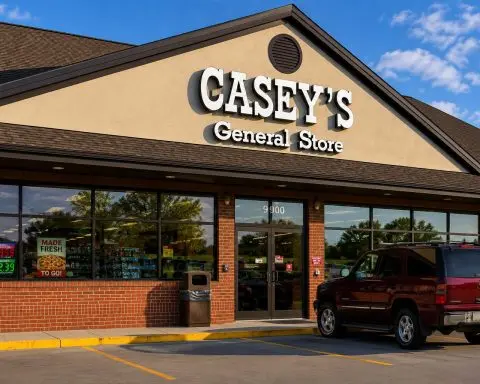
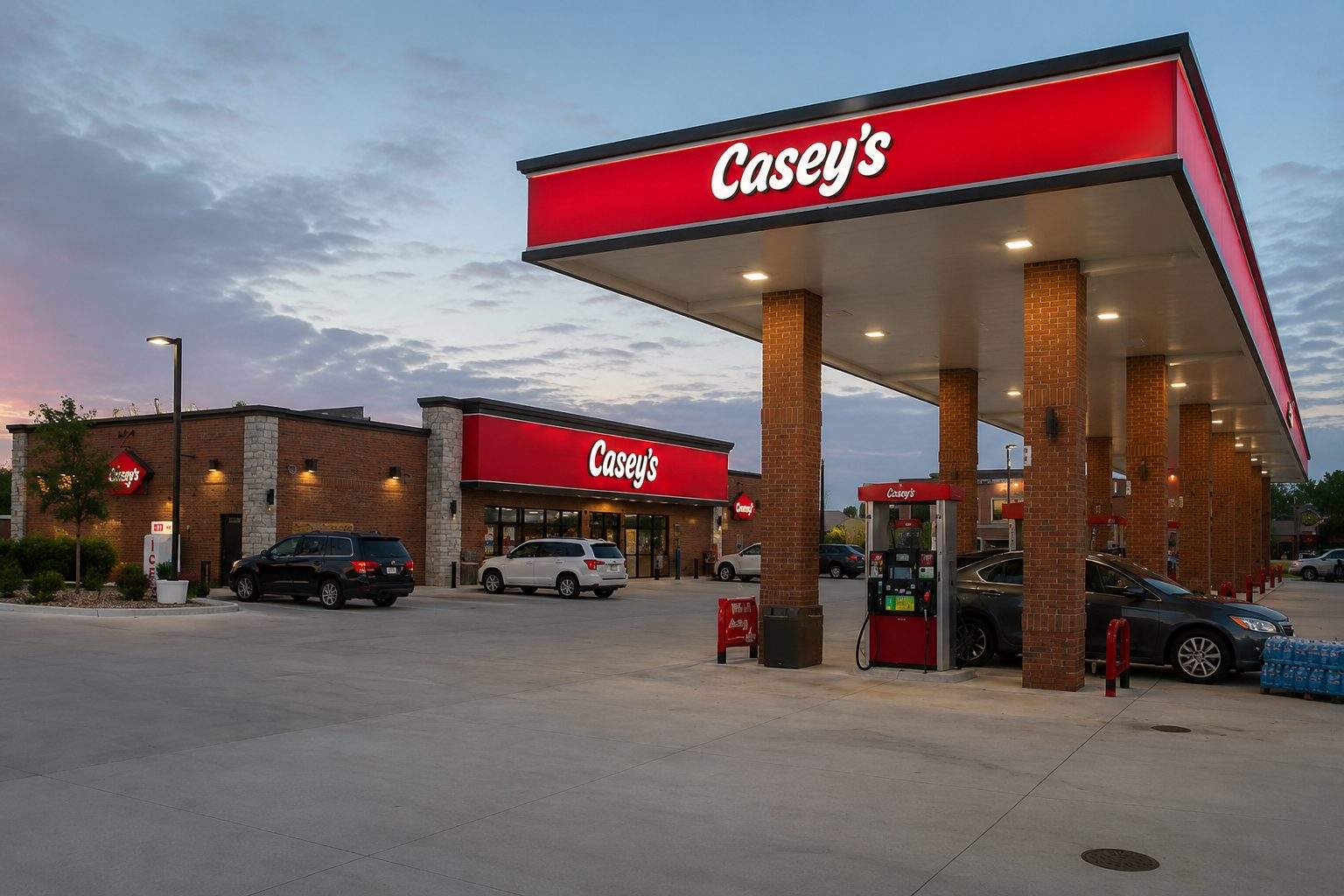
Casey’s General Stores shares jumped on Wednesday after the chain turned in a much better-than-expected fiscal Q4, with Wall Street citing stronger fuel margins and another boost in pizza and other in-store sales as key reasons to buy CASY. Barron’s called Casey’s the S&P 500’s best performer Wednesday, as the stock rallied about 15% to trade near $877.
CASY was at $875.38 as of 11:48 a.m. ET, up $114.20 from the last close, after hitting an intraday high of $889.00. The stock finished Tuesday at $761.18 and started Wednesday at $803.22, gaining 15.11% in the session, according to Investing.com’s data.
The company posted diluted earnings of $4.37 per share for the quarter ended April 30, up 66.2% from the prior year, with net income reaching $162.7 million. Revenue moved up to $4.57 billion, compared to $3.99 billion a year ago. According to Investing.com, Wall Street had looked for $3.31 a share and $4.21 billion in revenue, so the results easily cleared estimates and shifted the market tone ahead of the open.
Fuel gave Casey’s a boost. The company’s fuel margin per gallon, before credit-card fees, hit 46.9 cents, up from 37.6 cents last year. Total fuel gross profit climbed 29.1% to $397.4 million as same-store fuel gallons rose 1.5%. That measure tracks stores open long enough to gauge real demand, not just new growth.
The non-fuel business drew buyers too. Same-store sales for food and merchandise rose 5.5%. Prepared food and dispensed beverage comps increased 6.6%, helped by whole pizzas, sides, appetizers, and non-alcoholic drinks, the company said. Inside margin, which measures what’s left after product costs, was 42.4%, up from 41.2%.
Casey’s CEO Darren Rebelez said the company “delivered another record fiscal year” and wrapped up its three-year plan “on an extremely high note.” For the full year, Casey’s posted diluted EPS of $19.16, net income at $714.4 million and EBITDA close to $1.5 billion. EBITDA—earnings before interest, taxes, depreciation and amortization—is a metric investors use for comparing operating profit. SEC
Casey’s board approved a 14% hike in the quarterly dividend, now 65 cents a share. That’s 27 straight years of annual increases. The board also lifted the share buyback authorization to $1 billion. Casey’s bought back roughly $63 million of stock this quarter.
Casey’s held its rally with forward guidance, not just a look back at earnings. The company told investors it sees inside same-store sales up 2% to 5% for fiscal 2027, inside margin above 42%, and same-store fuel gallons anywhere from down 1% to up 1%. Casey’s targets EBITDA growth of 8% to 10%. It wants to open at least 120 stores through deals and new builds, and expects capital spending around $800 million.
RBC Capital hiked its price target on Casey’s to $794 from $792, keeping its Sector Perform call, Investing.com reported. RBC noted Casey’s fiscal 2027 EBITDA forecast of about $1.60 billion to $1.63 billion was above both their own and consensus numbers from before the release. While supportive, the new target still landed below Casey’s market price Wednesday, which could show the post-earnings move is factoring in plenty of upside already.
Casey’s got a boost with its recent S&P 500 promotion. S&P Dow Jones Indices said in April that Casey’s would take Hologic’s spot in the S&P 500 before the open on April 9. The move puts Casey’s from mid-cap into a benchmark used by big index funds.
Wednesday’s top result might be tough for Casey’s to match again. Fuel margins are at risk if price spreads between wholesale and retail compress. The company’s forecast sees flat same-store fuel gallons. Fourth-quarter operating expenses climbed 10.1%. Spending plans for fiscal 2027 include more expected depreciation, higher interest costs, and $800 million in capital expenditures.
Casey’s now has to prove it can keep up momentum after a strong quarter. RBC pointed to an investor day set for June 24, when the company will outline its longer-term strategy. Shares are already well above where they closed Tuesday, so the stakes for the upcoming presentation are higher.