Browse Category

Astronomy News 10 July 2025 - 30 July 2025

December 2025 Skywatch Alerts: Geminids Meteor Storm, Rare Planetary Sights & Auroras Galore

December 2025 Skywatch Alerts: Geminids Meteor Storm, Rare Planetary Sights & Auroras Galore

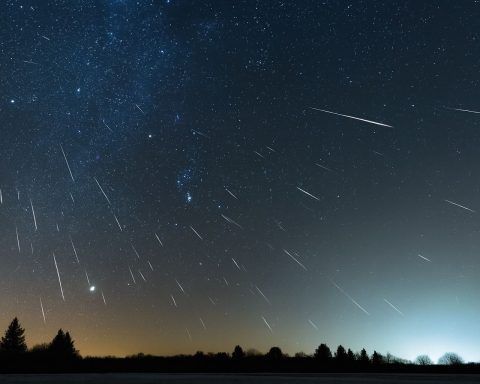
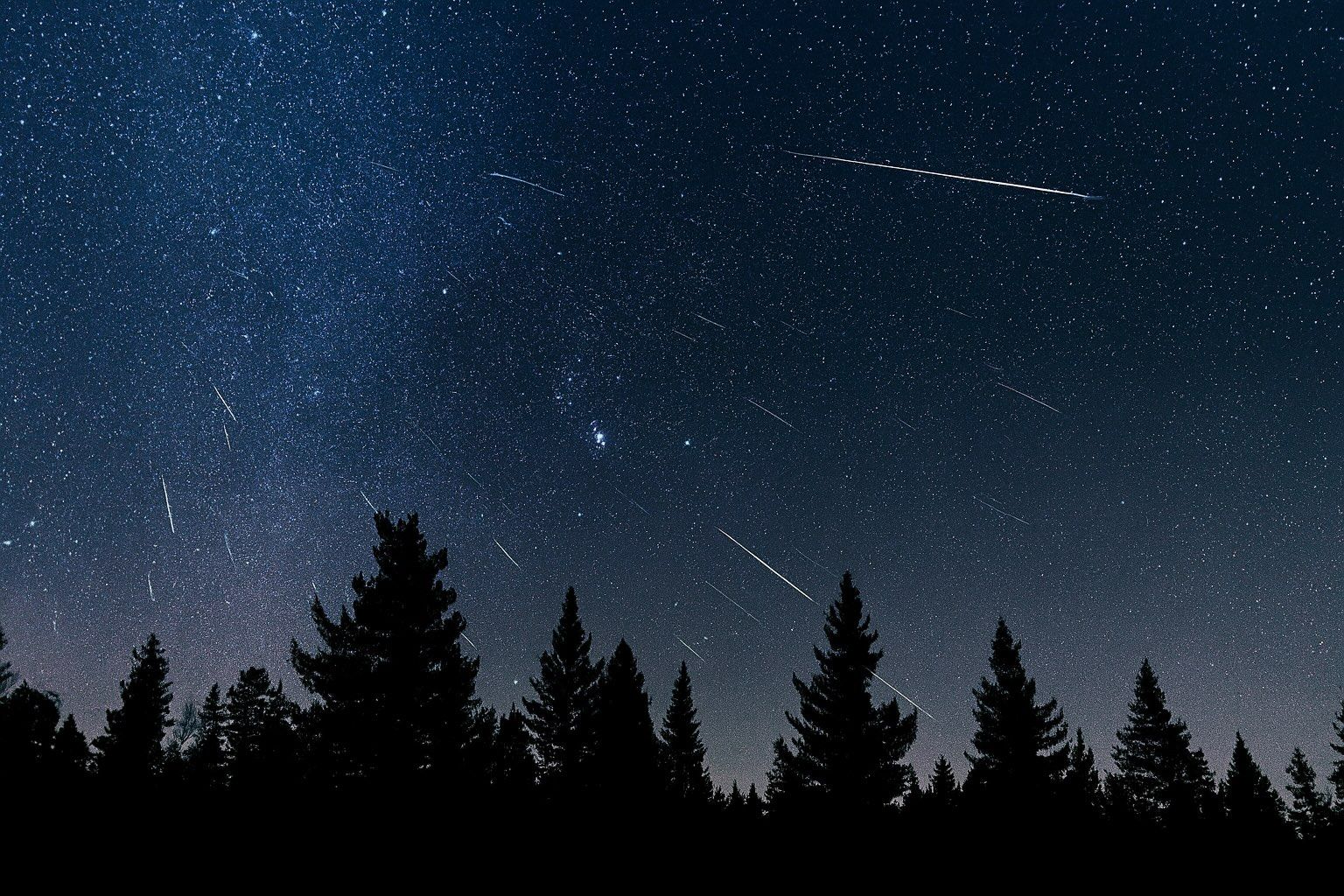
The Geminid meteor shower peaks overnight on December 13–14, 2025, with as many as 100–150 meteors per hour under dark skies, originating from asteroid 3200 Phaethon. The Ursid meteor shower peaks around December 21–22, 2025, near 11:00 UTC, typically producing 5–10 meteors per hour under dark skies thanks to a new Moon on December 20. Mercury reaches its greatest western…
30 July 2025
Don’t Miss These Skywatch Wonders in October 2025

Don’t Miss These Skywatch Wonders in October 2025

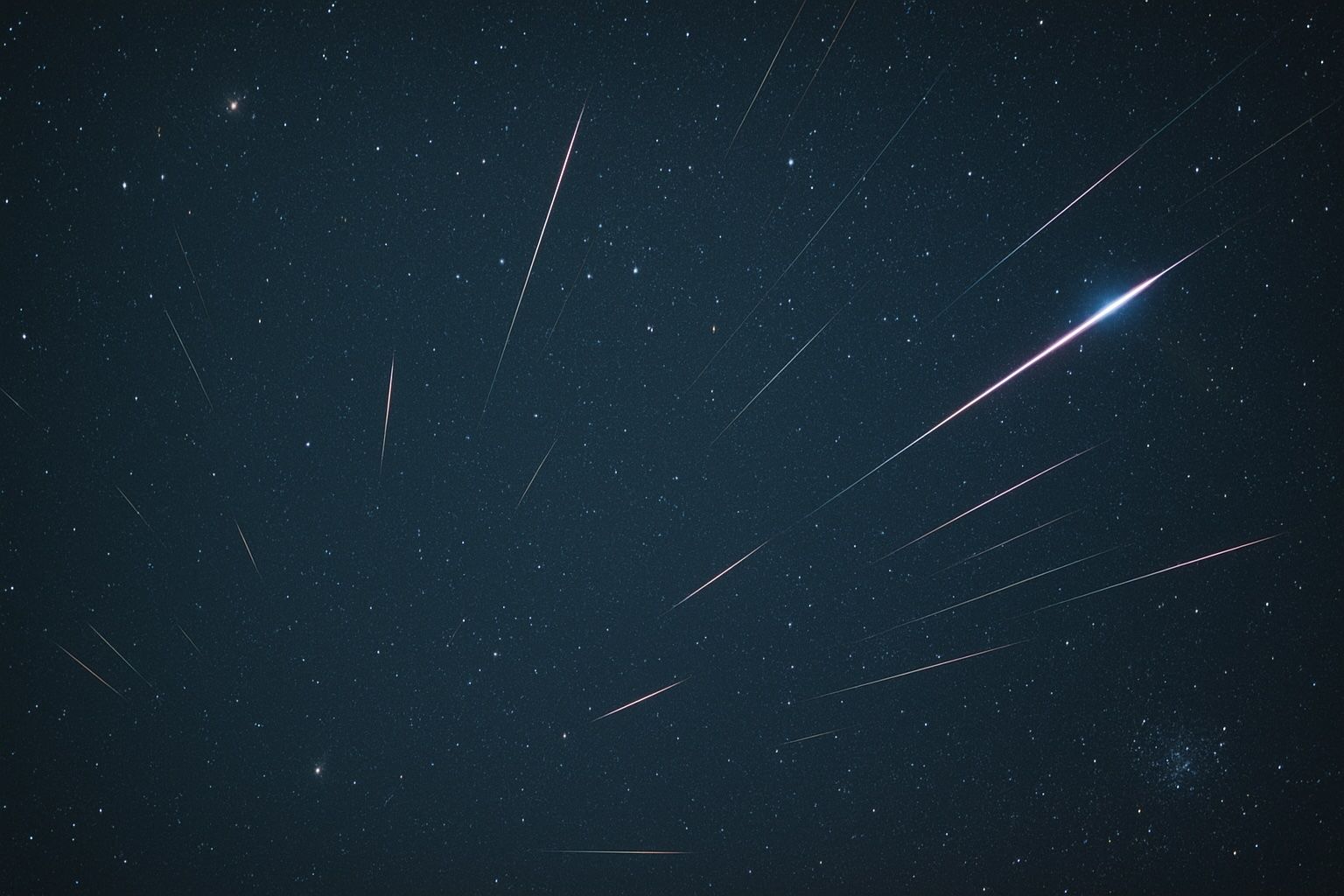
The Draconid meteor shower peaks around October 8, 2025, but a full Moon on October 6–7 will wash out most meteors, making outbursts of hundreds to thousands per hour unlikely, and its parent comet is 21P/Giacobini-Zinner. The Orionids peak on the nights of October 21–22, 2025, producing about 20 meteors per hour under dark skies from Halley’s Comet debris, with…
30 July 2025
All Eyes on the Skies: September 2025 Celestial Spectacles (Meteor Showers, Eclipses & More)

All Eyes on the Skies: September 2025 Celestial Spectacles (Meteor Showers, Eclipses & More)

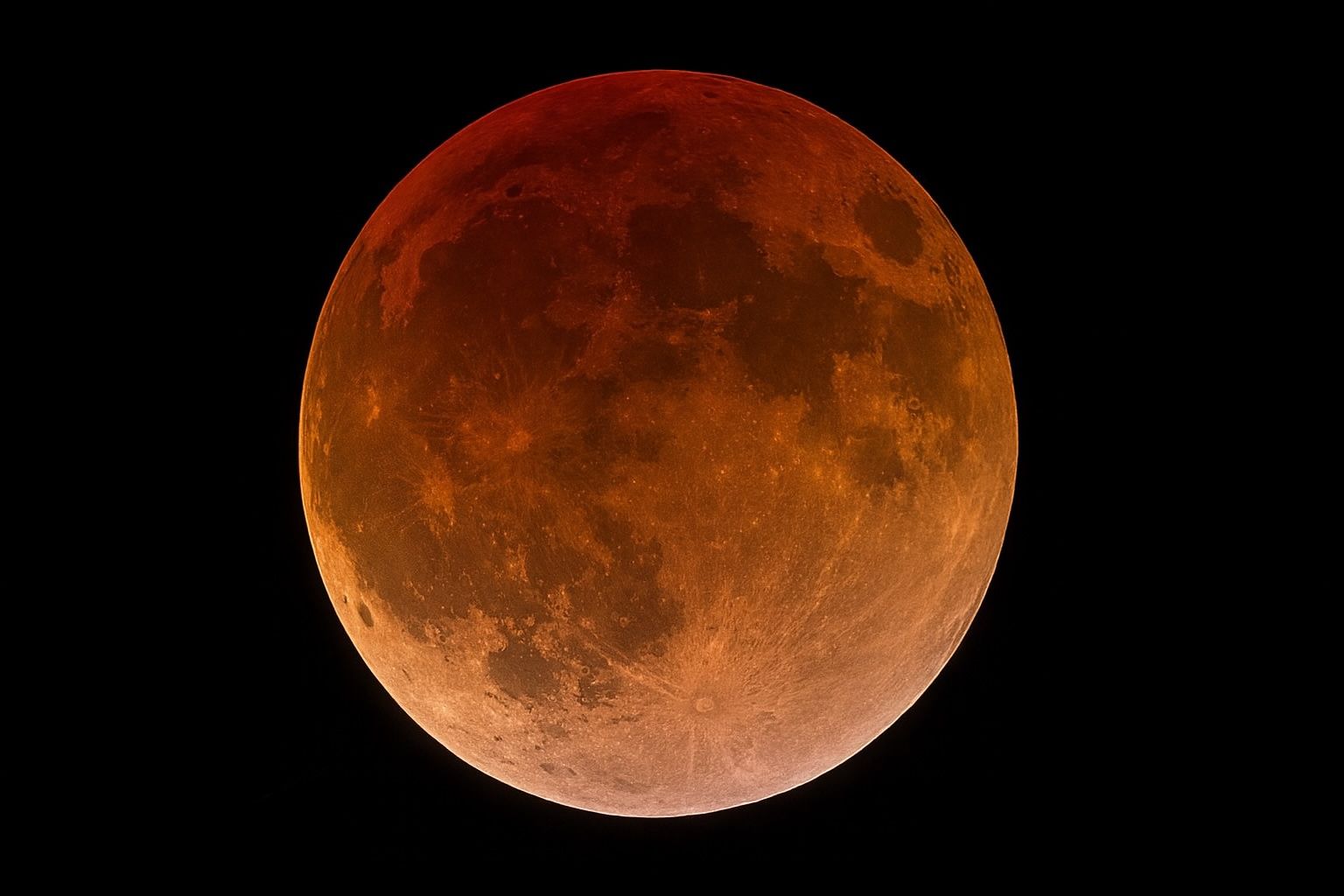
September 7, 2025 features a total lunar eclipse (Blood Moon) with about 83 minutes of totality, visible across Antarctica, Australia, Asia, the western Pacific and Africa, peaking around 18:11 UTC. A deep partial solar eclipse on September 21, 2025 reaches about 85% coverage, with maximum at 19:41 UTC and best views from New Zealand and nearby open-ocean regions between NZ…
Spectacular Skywatching Alert: Twin Meteor Showers, Dazzling Planets & More on July 30–31, 2025

Spectacular Skywatching Alert: Twin Meteor Showers, Dazzling Planets & More on July 30–31, 2025

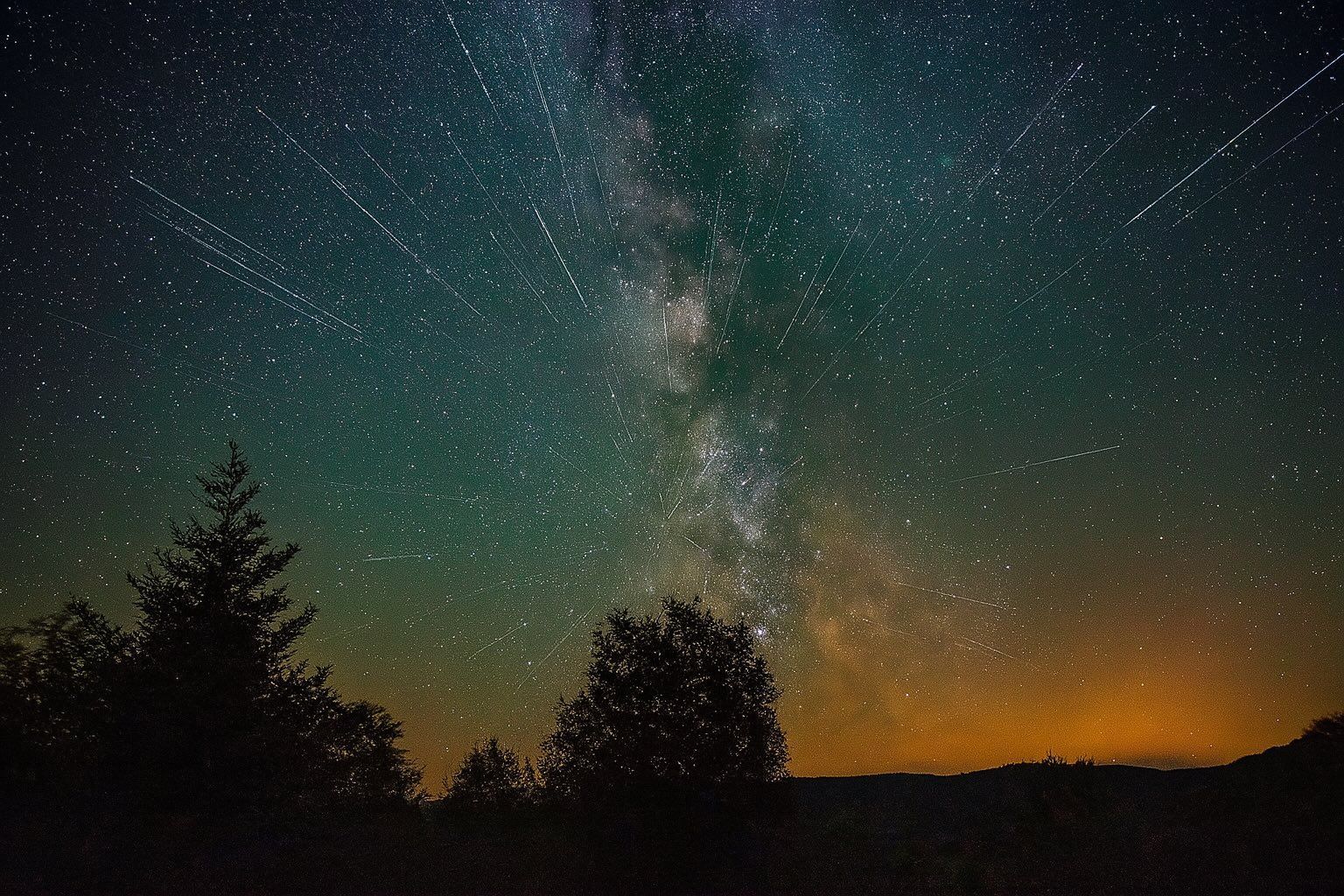
Two meteor showers—Southern Delta Aquariids and Alpha Capricornids—are near peak around July 30, 2025, with the best viewing on the nights of July 29–31 under dark skies. Southern Delta Aquariids originate from debris of comet 96P/Machholz and run roughly July 18–August 12, with ideal conditions producing about 15–20 meteors per hour. Alpha Capricornids peak around July 30 and are known…
SpaceX Launch, Artemis Accords & a ‘5-Hour Year’ Planet: Space Roundup (July 23–24, 2025)

SpaceX Launch, Artemis Accords & a ‘5-Hour Year’ Planet: Space Roundup (July 23–24, 2025)

SpaceX’s Falcon 9 launched NASA’s TRACERS mission from Vandenberg Space Force Base on July 23 at 2:13 p.m. EDT. The Falcon 9 first stage was on its 16th flight and performed a pinpoint landing at Vandenberg, marking SpaceX’s 479th booster recovery. TRACERS, Tandem Reconnection and Cusp Electrodynamics Reconnaissance Satellites, consists of two 200-kg satellites to study magnetic reconnection in Earth’s…
Astronomers Spot a 7-Billion-Year-Old Interstellar Comet – Could It Be the Oldest Ever Seen?

Astronomers Spot a 7-Billion-Year-Old Interstellar Comet – Could It Be the Oldest Ever Seen?

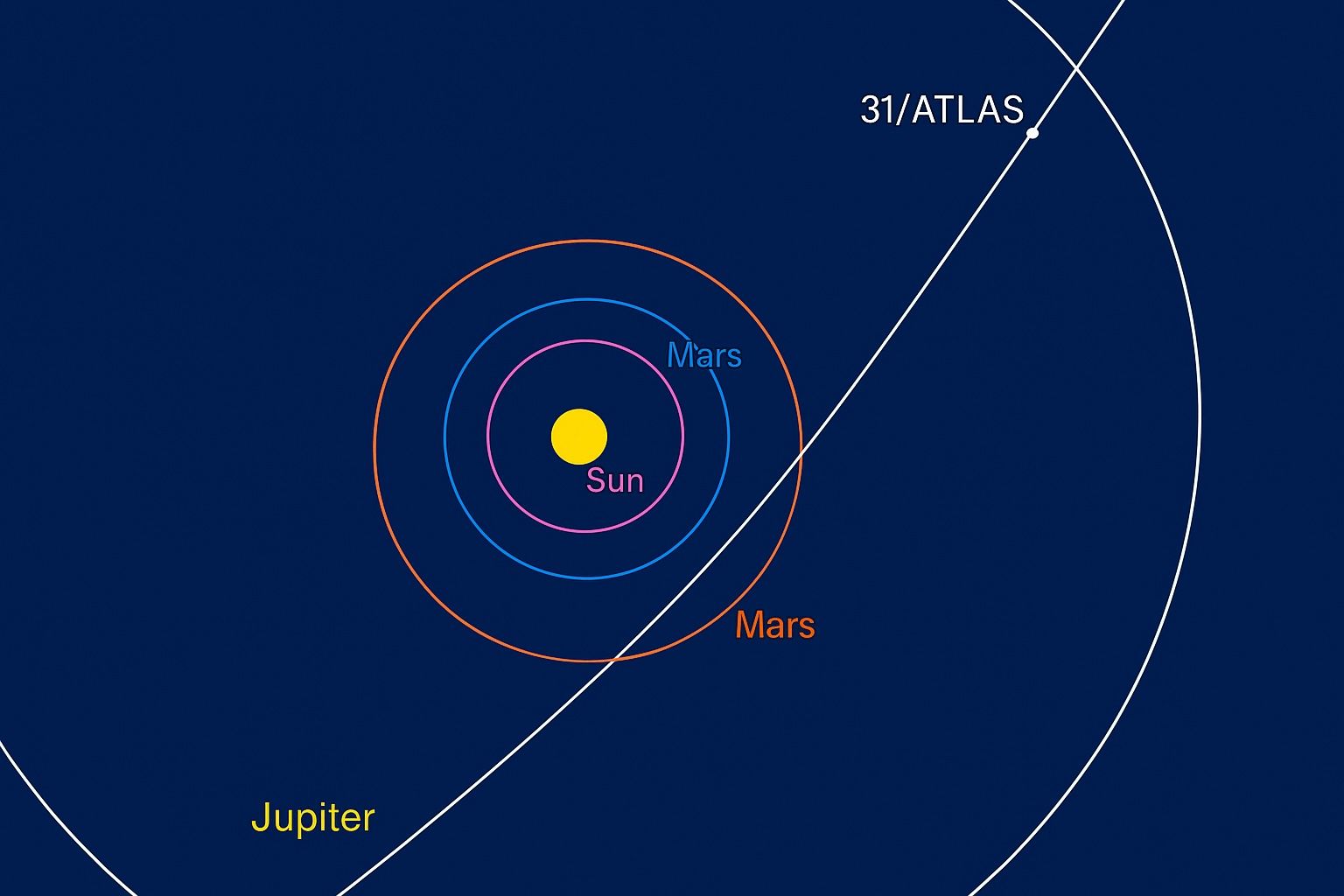
On July 1, 2025, the ATLAS telescope in Río Hurtado, Chile, detected 3I/ATLAS near Jupiter’s orbit with a hyperbolic, interstellar trajectory. 3I/ATLAS is the third interstellar object identified, following 1I/ʻOumuamua in 2017 and 2I/Borisov in 2019. Estimates place 3I/ATLAS at 7–10 billion years old if formed in the Milky Way’s thick disk, making it possibly the oldest comet we’ve seen.…
Meet “Ammonite” – Fossil World at Solar System’s Edge Challenges Planet Nine Theory

Meet “Ammonite” – Fossil World at Solar System’s Edge Challenges Planet Nine Theory

Ammonite is the informal name for the trans-Neptunian object 2023 KQ14, discovered by the FOSSIL survey with Subaru’s 8.2-meter telescope in early 2023. Follow-up observations in July 2024 with the Canada–France–Hawaii Telescope and archival data from 2005 extended its observational arc to 19 years. Ammonite is a sednoid, a distant trans-Neptunian object with a highly eccentric orbit (e ≈ 0.74)…
17 July 2025
Cosmic Webs, Hidden Galaxies, and Political Turbulence: This Week’s Space News Will Change How You See the Universe / Updated: 2025, July 13th, 00:01 CET

Cosmic Webs, Hidden Galaxies, and Political Turbulence: This Week’s Space News Will Change How You See the Universe / Updated: 2025, July 13th, 00:01 CET

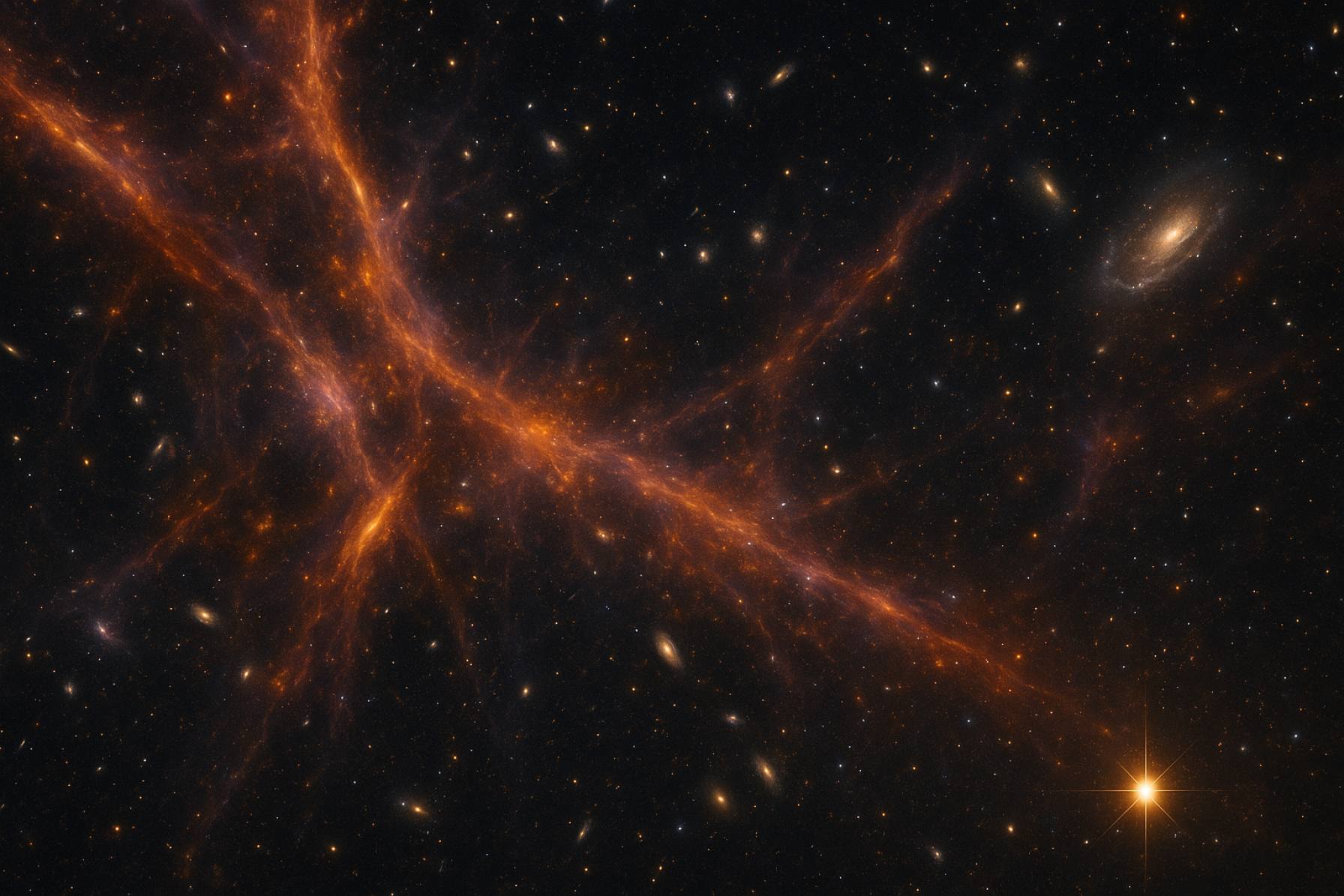
Konstantinos Migkas and team mapped a 23-million-light-year cosmic web filament with temperatures around 10 million degrees, more than 20 times the Milky Way’s size, detected via the Sunyaev-Zel’dovich effect and Planck data. Durham University simulations predict 80–100 undetected Milky Way satellite galaxies, the so‑called orphan galaxies stripped of dark matter halos, potentially solving the missing satellites problem and bolstering the…
13 July 2025
Space News Shockers: Satellite Wars, NASA Upheaval, and the Next Celestial Wonders Revealed / Updated: 2025, July 11th, 12:01 CET

Space News Shockers: Satellite Wars, NASA Upheaval, and the Next Celestial Wonders Revealed / Updated: 2025, July 11th, 12:01 CET

Over 2,000 senior NASA employees have resigned amid budget cuts, with a potential 25% funding reduction threatening missions, while Sean Duffy, a former congressman and reality TV star, was named interim NASA administrator and serves as both NASA administrator and Secretary of Transportation. An alleged Iranian missile strike destroyed a $15 million U.S. communications radome at Al Udeid Air Base…
July 10 2025’s ‘Buck Moon’ Will Be the Farthest‑From‑the‑Sun, Low‑Riding Full Moon of the Decade—Here’s the Exact Time, Best Viewing Tricks & Pro Photo Hacks You Need

July 10 2025’s ‘Buck Moon’ Will Be the Farthest‑From‑the‑Sun, Low‑Riding Full Moon of the Decade—Here’s the Exact Time, Best Viewing Tricks & Pro Photo Hacks You Need

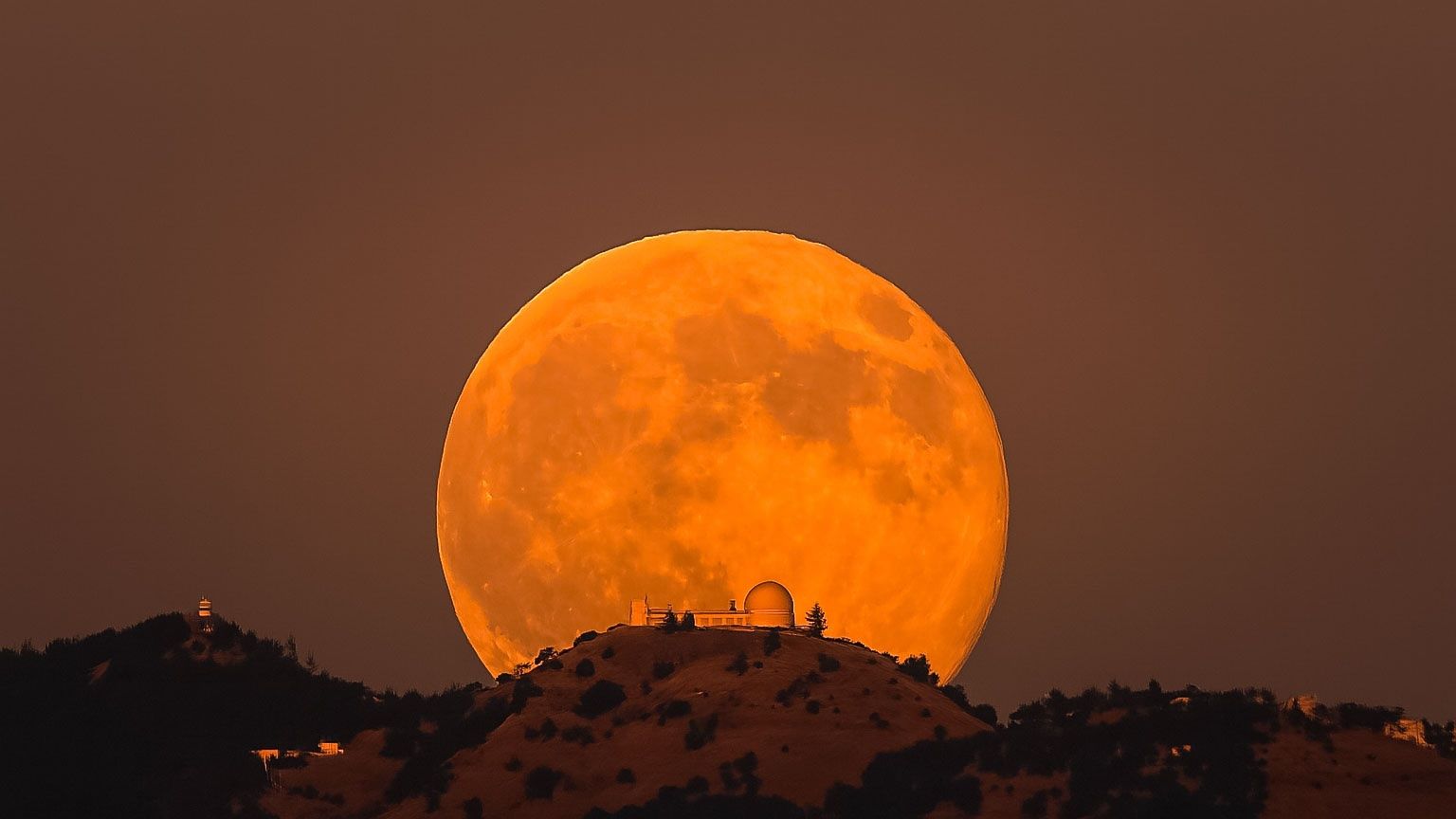
The Buck Moon peaks on 10 July 2025 at 4:37 p.m. EDT (20:37 UTC). Earth reached aphelion on 4 July 2025, making this the farthest full Moon from the Sun in 2025. During the 18.6-year major lunar standstill, the Moon hugs the southern horizon, producing the lowest July full Moon path since 2006. The Moon is not a supermoon, as…
10 July 2025

Stock Market Today

  • LSE Plans to Ease Public Holding Rules for Overseas Companies in FTSE Indexes
    January 27, 2026, 9:13 AM EST. The London Stock Exchange Group (LSE) announced plans to relax rules requiring the minimum number of shares held by the public for overseas companies to join key indexes like the FTSE 100. This move aims to attract more international firms to British benchmark indexes, potentially boosting market diversity and liquidity. Currently, strict rules limit index inclusion, but easing these could open doors for more foreign businesses. The LSE's strategy reflects growing competition among global stock markets to attract listings and expand investor options. Observers note this could reshape dynamics in London's equity markets amid shifting global investment trends.
Go toTop