Today: 29 June 2026
Browse Category

Stargazing 9 October 2025 - 24 December 2025

Night Sky Today: What to See Tonight on Christmas Eve, Dec. 24, 2025 — Crescent Moon, Saturn, Jupiter, ISS Flyby and Aurora Chances

Night Sky Today: What to See Tonight on Christmas Eve, Dec. 24, 2025 — Crescent Moon, Saturn, Jupiter, ISS Flyby and Aurora Chances

Christmas Eve 2025 arrives with a sky that’s doing the most — in the best way. Tonight’s waxing crescent Moon is growing brighter, setting the stage for easy naked-eye stargazing, quick telescope looks at lunar craters along the day-night line, and a clean backdrop for planets and satellites. Space+1 And yes: there’s also a very real chance you’ll see a bright, silent “moving star” glide overhead — the International Space Station — timed so neatly around the holiday that it’s already become part of the day’s skywatching headlines. Space+1
24 December 2025
Night Sky Tonight (Dec. 21, 2025): Winter Solstice Stargazing, Ursid Meteor Shower Peak, Jupiter’s Glow — and Interstellar Comet 3I/ATLAS

Night Sky Tonight (Dec. 21, 2025): Winter Solstice Stargazing, Ursid Meteor Shower Peak, Jupiter’s Glow — and Interstellar Comet 3I/ATLAS

If you’ve been waiting for a “big” skywatching night, Sunday, December 21, 2025 delivers one of the most atmospheric setups of the year: it’s the December solstice, bringing the longest night and shortest day for the Northern Hemisphere—precisely when a thin crescent Moon keeps skies dark for the Ursid meteor shower. And while Jupiter dominates the late evening, skywatchers with the right telescope may still have a shot at a once-in-a-lifetime target: interstellar comet 3I/ATLAS, which made its closest pass by Earth just two nights ago. NASA Science+3Time and Date+3EarthSky+3 Below is a practical, publication-ready guide to Night Sky Today—built from the day’s major skywatching forecasts and news reports dated 21.12.2025, plus the most relevant official updates leading into tonight.
21 December 2025
Night Sky Tonight (Dec. 18, 2025): Watch Interstellar Comet 3I/ATLAS Live, Plus Moon–Mercury Dawn Pairing, Jupiter and Aurora Chances

Night Sky Tonight (Dec. 18, 2025): Watch Interstellar Comet 3I/ATLAS Live, Plus Moon–Mercury Dawn Pairing, Jupiter and Aurora Chances

Dec. 18, 2025 — If you’re planning to look up tonight, the sky has a rare mix of “big news” and easy wins. The headline event is an interstellar visitor—Comet 3I/ATLAS—making its closest pass by Earth. Meanwhile, the Moon is down to a razor-thin crescent, setting up a pre-dawn scene with Mercury that’s short, low, and beautiful if you catch it on time. Add a bright Jupiter, a golden Saturn, and a minor geomagnetic storm forecast that could help aurora watchers at higher latitudes, and Dec. 18 becomes one of those winter nights worth bundling up for. Below is a practical, location-flexible guide to the night sky tonight, built from the main skywatching updates circulating on 18.12.2025.
18 December 2025
Night Sky Tonight (December 16, 2025): What to See After Dark — Meteors, Planets, an Interstellar Comet, and Aurora Updates

Night Sky Tonight (December 16, 2025): What to See After Dark — Meteors, Planets, an Interstellar Comet, and Aurora Updates

December 16, 2025 is shaping up as a strong night for stargazing—especially if you’ve been waiting for darker skies. The Moon is now a slim waning crescent, which means less moonlight glare and better contrast for meteor-watching, star clusters, and faint deep-sky targets. Time and Date But tonight isn’t just about “pretty stars.” Several space-and-sky stories are driving headlines today, from a rare interstellar comet nearing its best observing window, to a predawn rocket launch that lit up skies along Florida’s Space Coast, to fresh talk of micrometeorites quietly piling up on rooftops. AP News+2Spaceflight Now+2
Night Sky Tonight (Dec. 15, 2025): Geminids Encore, Orion Nebula Peak, and a Rare Interstellar Comet Turns Green

Night Sky Tonight (Dec. 15, 2025): Geminids Encore, Orion Nebula Peak, and a Rare Interstellar Comet Turns Green

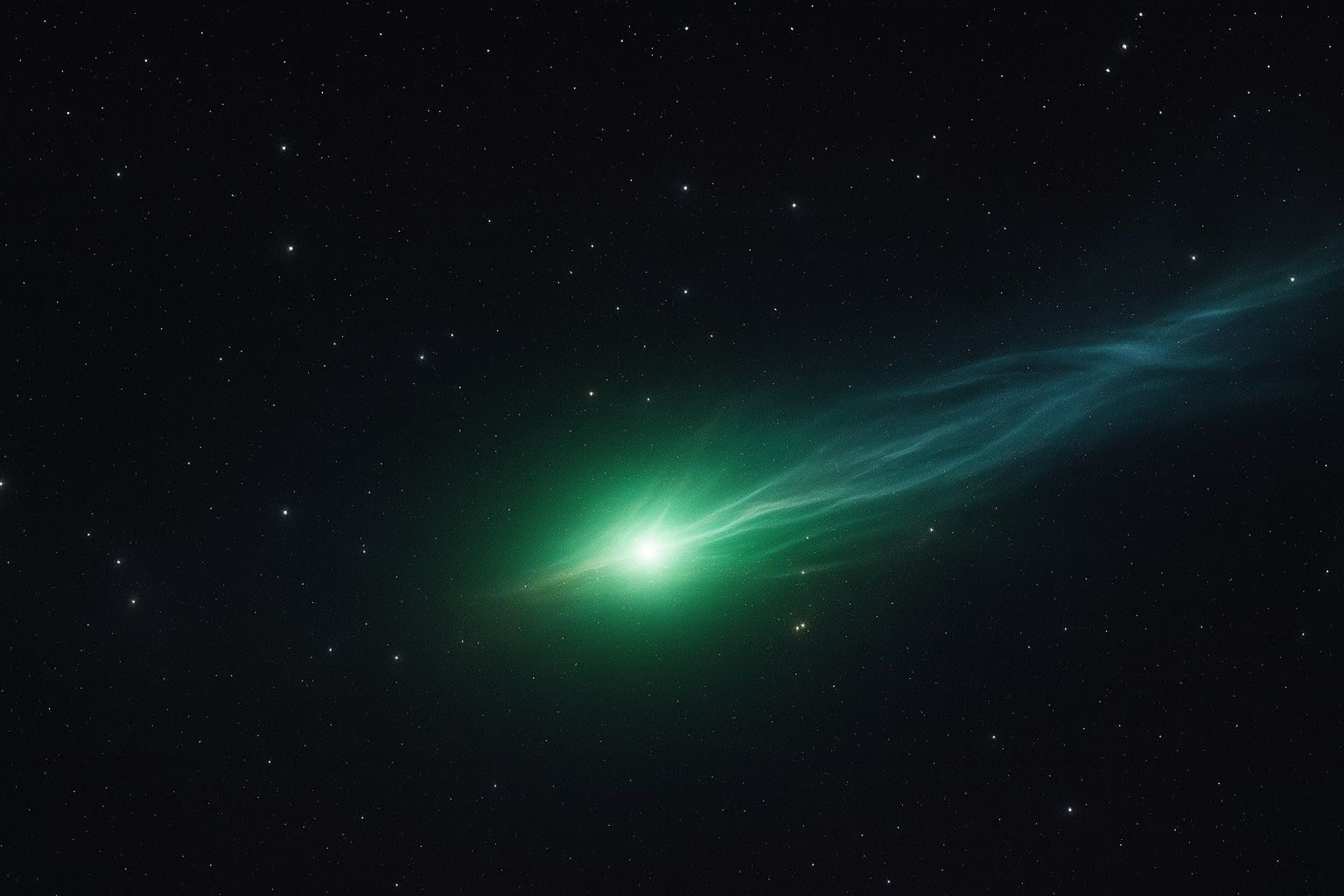
December 15, 2025 brings a near-perfect recipe for skywatchers: long winter nights, a slim waning Moon, and a sky full of headline-worthy targets—plus a rare interstellar visitor that’s suddenly glowing green in new images. With the winter solstice now just days away, the Northern Hemisphere is sliding toward the longest night of the year, while the Southern Hemisphere moves toward summer’s shorter nights. Either way, tonight’s sky has something for everyone, from casual stargazers stepping outside for five minutes to telescope owners planning a pre-dawn session. The Guardian
15 December 2025
Interstellar Comet 3I/ATLAS Today (December 8, 2025): Latest NASA Images, ‘Serial Killer’ Debate and How to See the Visitor from Another Star

Interstellar Comet 3I/ATLAS Today (December 8, 2025): Latest NASA Images, ‘Serial Killer’ Debate and How to See the Visitor from Another Star

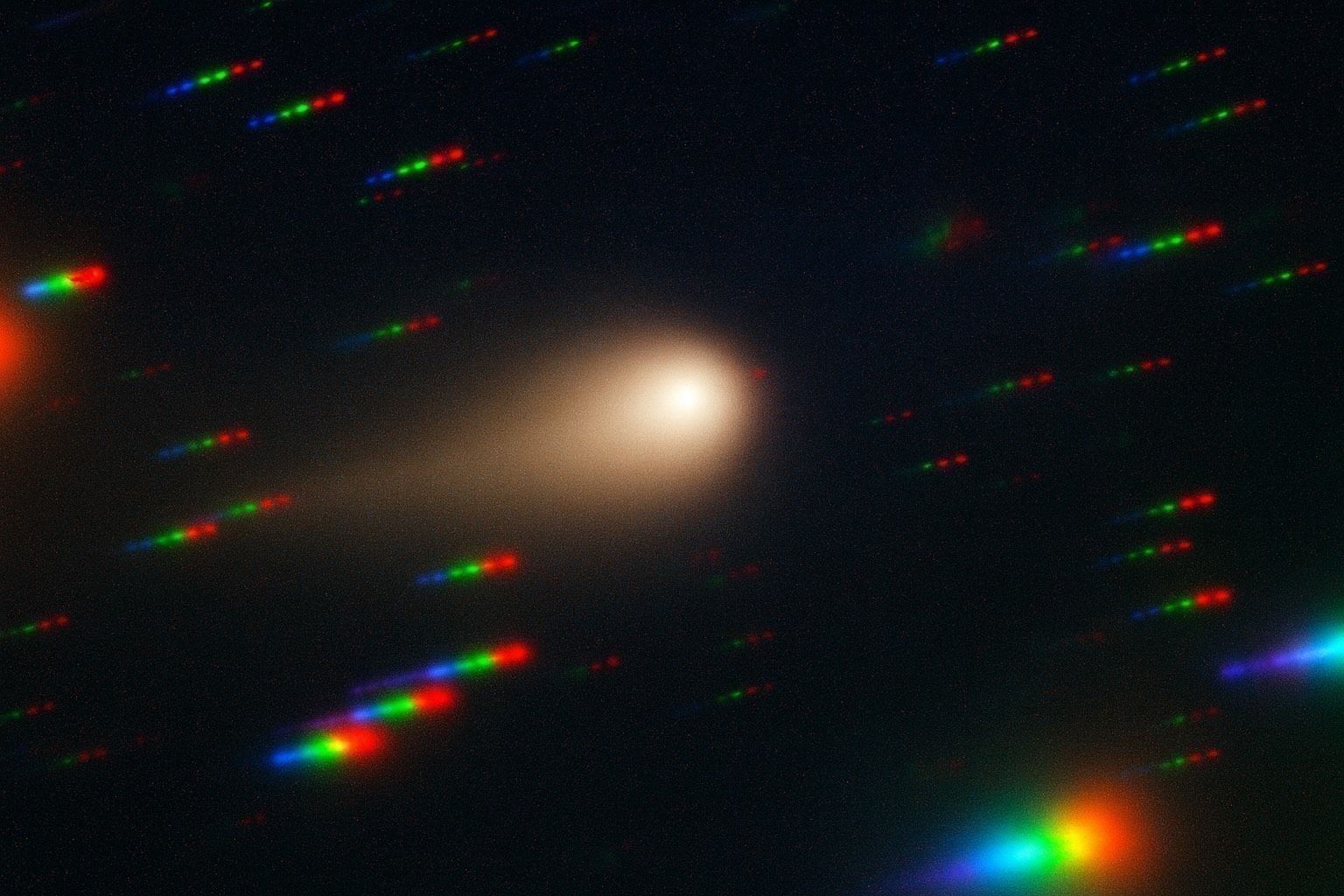
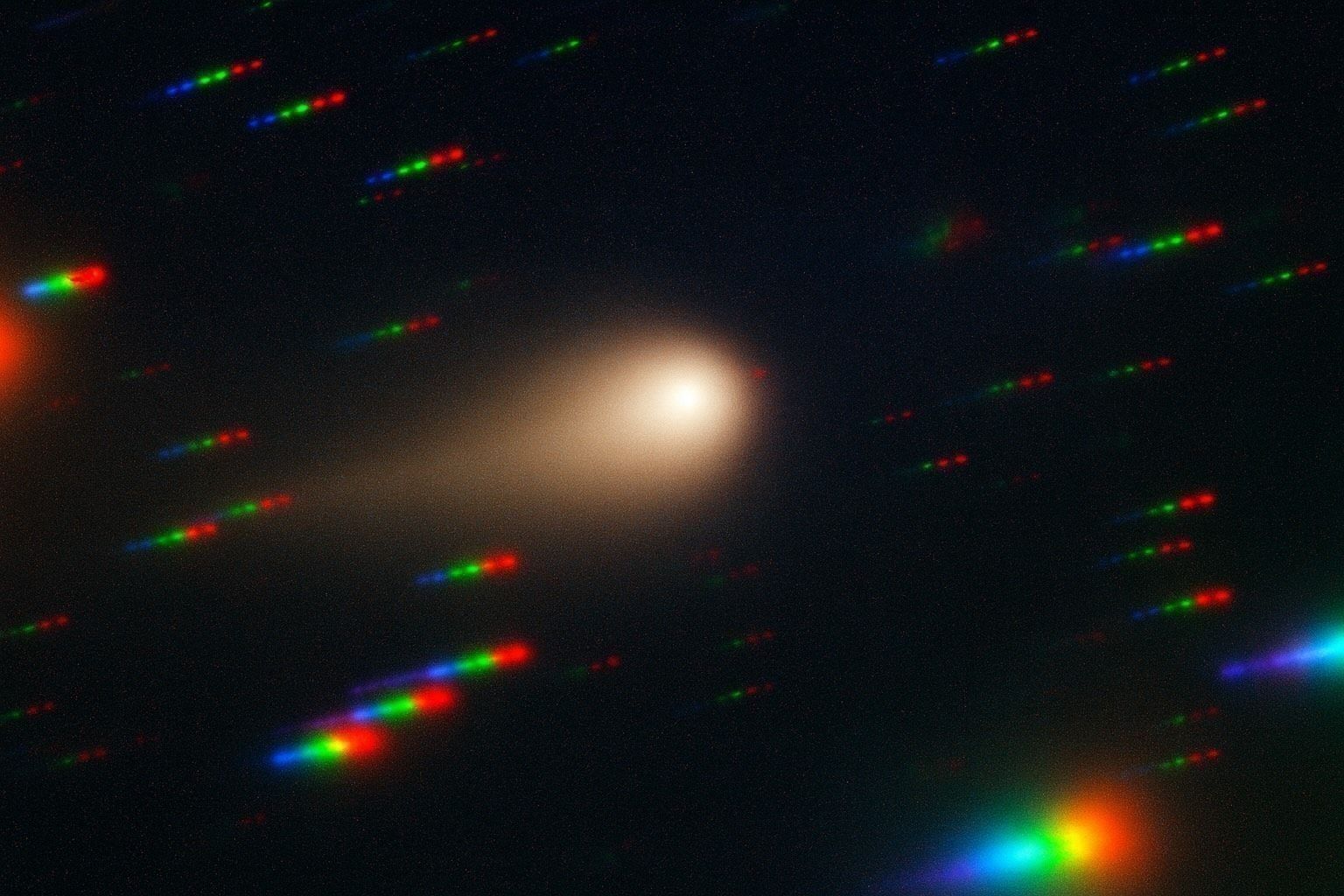
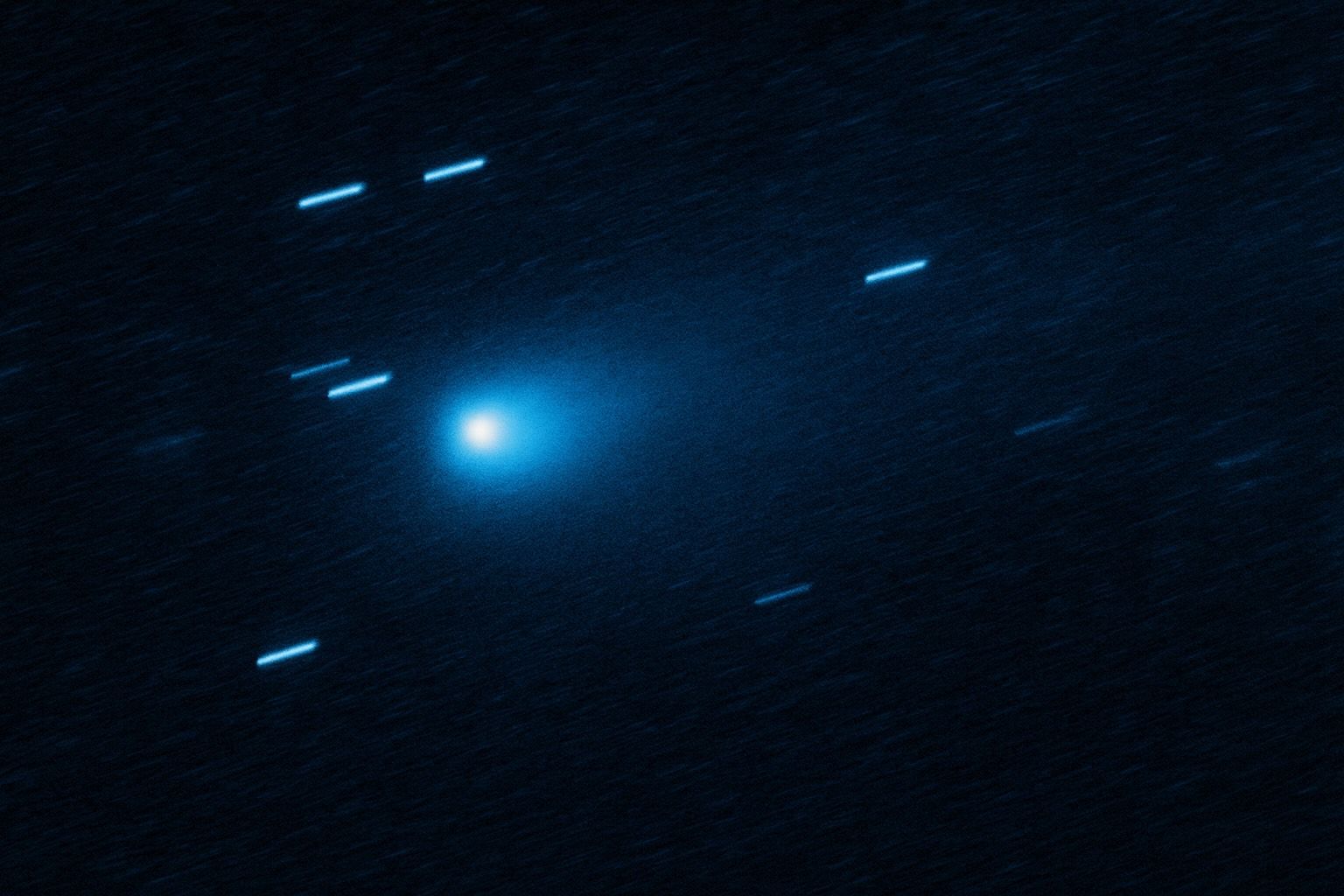
On December 8, 2025, interstellar comet 3I/ATLAS is racing through the inner solar system, past the Sun and on its way to a safe but scientifically thrilling flyby of Earth on December 19. In the last 24–48 hours, new Hubble photos, Mars-orbiter results, and a fresh analysis from a Harvard astrophysicist have pushed this icy visitor back into the headlines. Live Science+2FOX Weather+2 Here’s a deep, news-ready look at what 3I/ATLAS is, what’s new today, and how skywatchers can try to catch it before it disappears back into interstellar space.
9 December 2025
Moon Tonight, December 5, 2025: How to See the Last Cold Supermoon of the Year

Moon Tonight, December 5, 2025: How to See the Last Cold Supermoon of the Year

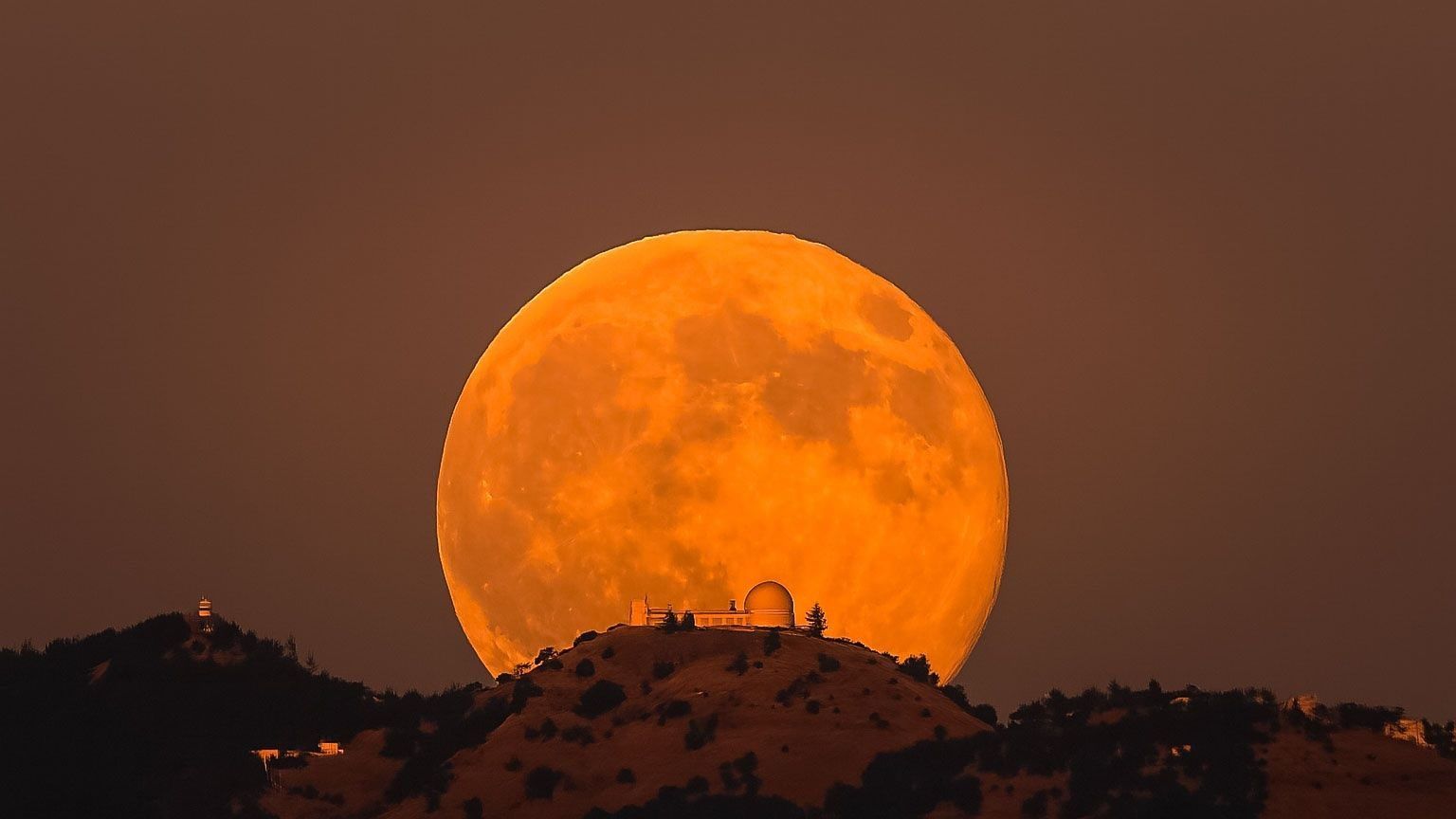
On Friday night, December 5, 2025, the Moon is still basking in the glow of the year’s final full “Cold” supermoon — and to the naked eye, it will look gloriously full all over again. The exact moment of full phase occurred yesterday, when the Moon reached peak illumination around 23:14 UTC.Time and Date+1 But astronomers and skywatchers agree: the Moon appears full for several nights in a row, and tonight’s Moon is still more than 99% illuminated, qualifying as a spectacular encore to the main event.Time and Date+3TheSkyLive+3Moon phases+3
5 December 2025
Interstellar Comet 3I/ATLAS: Latest Discoveries, Alien Debate and How to See It in December 2025

Interstellar Comet 3I/ATLAS: Latest Discoveries, Alien Debate and How to See It in December 2025

Interstellar comet 3I/ATLAS is turning December 2025 into one of the most dramatic months in modern astronomy. The icy visitor from another star system is firing powerful jets, showing signs of possible “ice volcanoes,” pulsing with a 16‑hour light pattern and inspiring everything from rigorous science to wild alien‑probe speculation. At the same time, NASA and ESA have tightened its trajectory, confirmed it poses no threat to Earth, and used it as a live-fire drill for planetary‑defense planning. NASA Science+2Universe Today+2
2 December 2025
December 2025 Night Sky Guide: Supermoon, Geminids and Interstellar Comet 3I/ATLAS Light Up the Month

December 2025 Night Sky Guide: Supermoon, Geminids and Interstellar Comet 3I/ATLAS Light Up the Month

December 2025 is shaping up to be one of the most exciting skywatching months in years. As of December 1, space agencies and observatories are rolling out fresh forecasts: NASA has just published its “What’s Up: December 2025”guide, National Geographic has highlighted nine must‑see night sky events, and EarthSky has released an updated visible‑planets report for the month.National Geographic+2NASA Science+2 On top of that, the Sun has erupted with a powerful X‑class solar flare on November 30, 2025, adding extra intrigue for anyone hoping for auroras around the winter solstice.NASA Science
2 December 2025
Interstellar Comet 3I/ATLAS Today: Tail, Radio Signal & Viewing Guide

Interstellar Comet 3I/ATLAS Today: Tail, Radio Signal & Viewing Guide

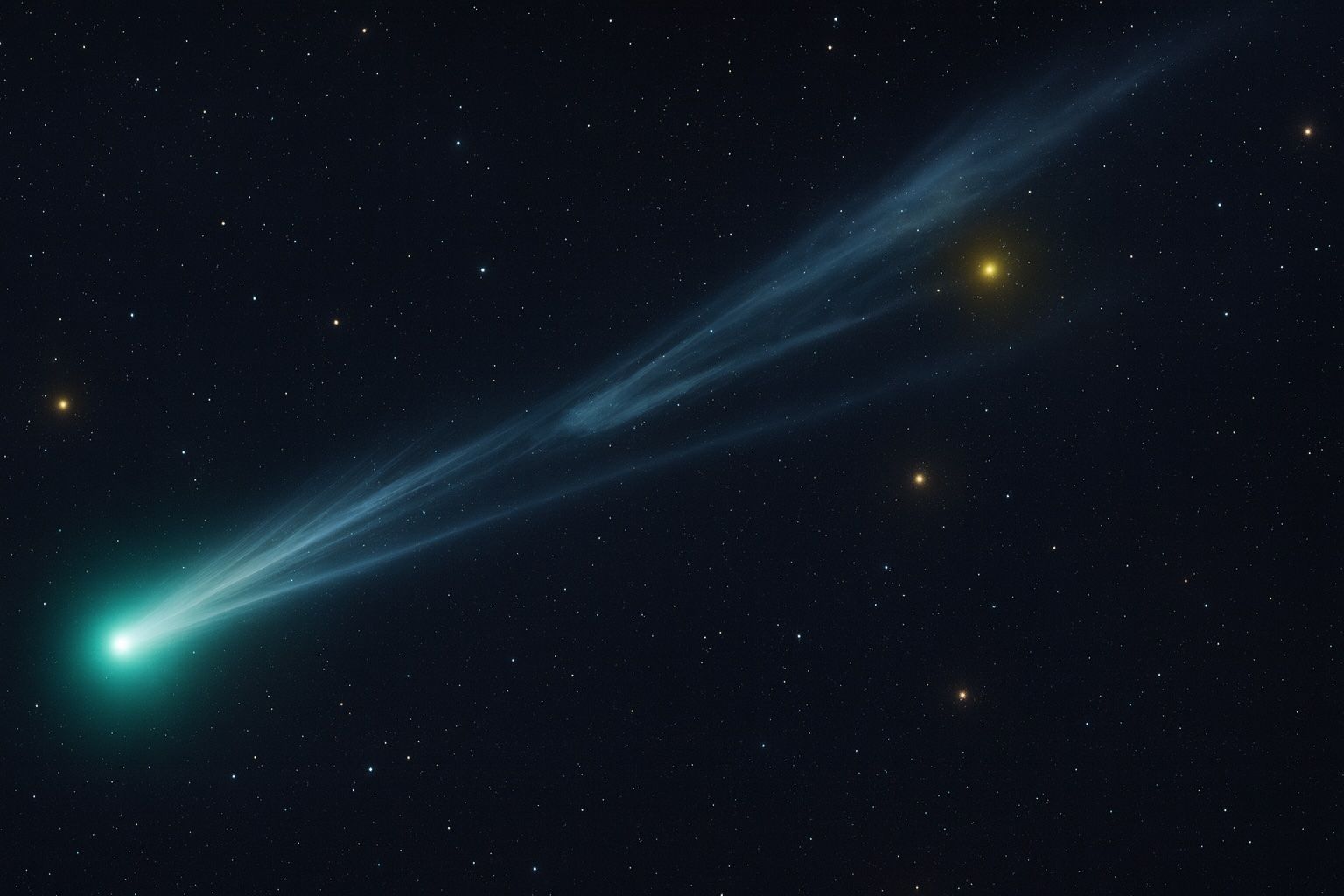
15 November 2025 – Interstellar comet 3I/ATLAS has survived its close swing past the Sun, grown a spectacular ion tail, emitted its first detected radio signal, and had its orbit nailed down with help from a spacecraft at Mars. At the same time, the object is fueling another round of online “alien probe” speculation – which new data strongly undercuts. Here’s a deep, news-style roundup of everything we know about 3I/ATLAS as of today and what skywatchers can actually do with it tonight.
15 November 2025
Rare Interstellar Comet 3I/ATLAS – a 10-Billion-Year-Old Time Capsule – Flies Past Mars

Can You See Interstellar Comet 3I/ATLAS? Naked-Eye, Camera and Telescope Guide (November–December 2025)

Interstellar comet 3I/ATLAS has rocketed into headlines: it’s only the third known visitor from another star system, it just swung around the Sun, it’s growing a dramatic tail, and it’s even been detected in radio waves – prompting a flurry of “is it aliens?” stories. NASA Science+2Live Science+2 But if you’re a skywatcher, the burning question is simpler:
14 November 2025
Sky‑Spectacle Alert: 15 U.S. States Could See the Northern Lights Tonight—Everything You Must Know Before You Look Up

Northern Lights UK & Ireland Tonight (12 November 2025): Aurora Forecast, Cloud Cover, Best Times and Where to Look

Dateline: Wednesday, 12 November 2025 The aurora borealis is on the cards again tonight across the UK and Ireland thanks to a run of powerful solar eruptions. Forecasters warn that while geomagnetic conditions could reach severe to extreme levels, cloud will be the main spoiler for many, with the best breaks most likely in the far north of Scotland and, at times, southeast England. Ireland sees rain easing south of a band lingering across Ulster and north Connacht. Expect a dynamic night where space weather is lively and surface weather decides who actually gets the show. Met Office+2Met Office+2
12 November 2025
Sky on Fire Tonight: Giant ‘Solar Canyon’ Aims 800‑km/s Wind at Earth—Northern Lights Could Ignite 15 U.S. States & Test Global Tech

Northern Lights Tonight (Nov. 7, 2025): NOAA Issues G3 Geomagnetic Storm Watch—Where and When to See the Aurora Across the U.S.

Published: November 7, 2025 The Space Weather Prediction Center at NOAA says a coronal mass ejection is arriving and has a G3 geomagnetic storm watch in effect through Nov. 6–7, with another, slower CME likely to bring G2 conditions on Nov. 8. Translation: the aurora borealis could dip unusually far south tonight, with the best odds across the northern tier of the United States and parts of the Midwest and Northeast. NOAA Space Weather Prediction Center+1
7 November 2025
Night Sky in November 2025: Biggest Supermoon of the Year, Leonids Meteor Shower, Uranus at Opposition & More

Night Sky in November 2025: Biggest Supermoon of the Year, Leonids Meteor Shower, Uranus at Opposition & More

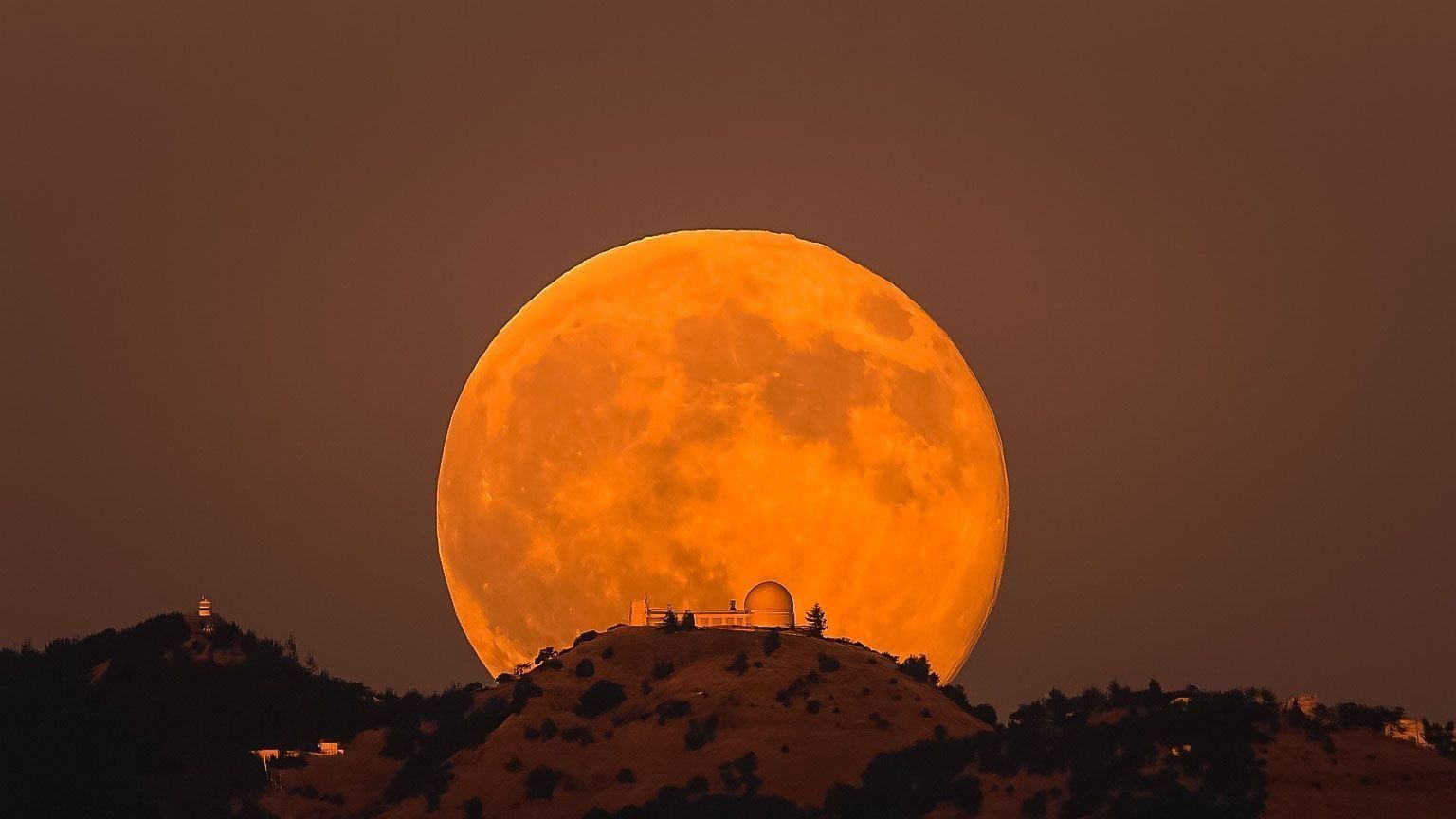
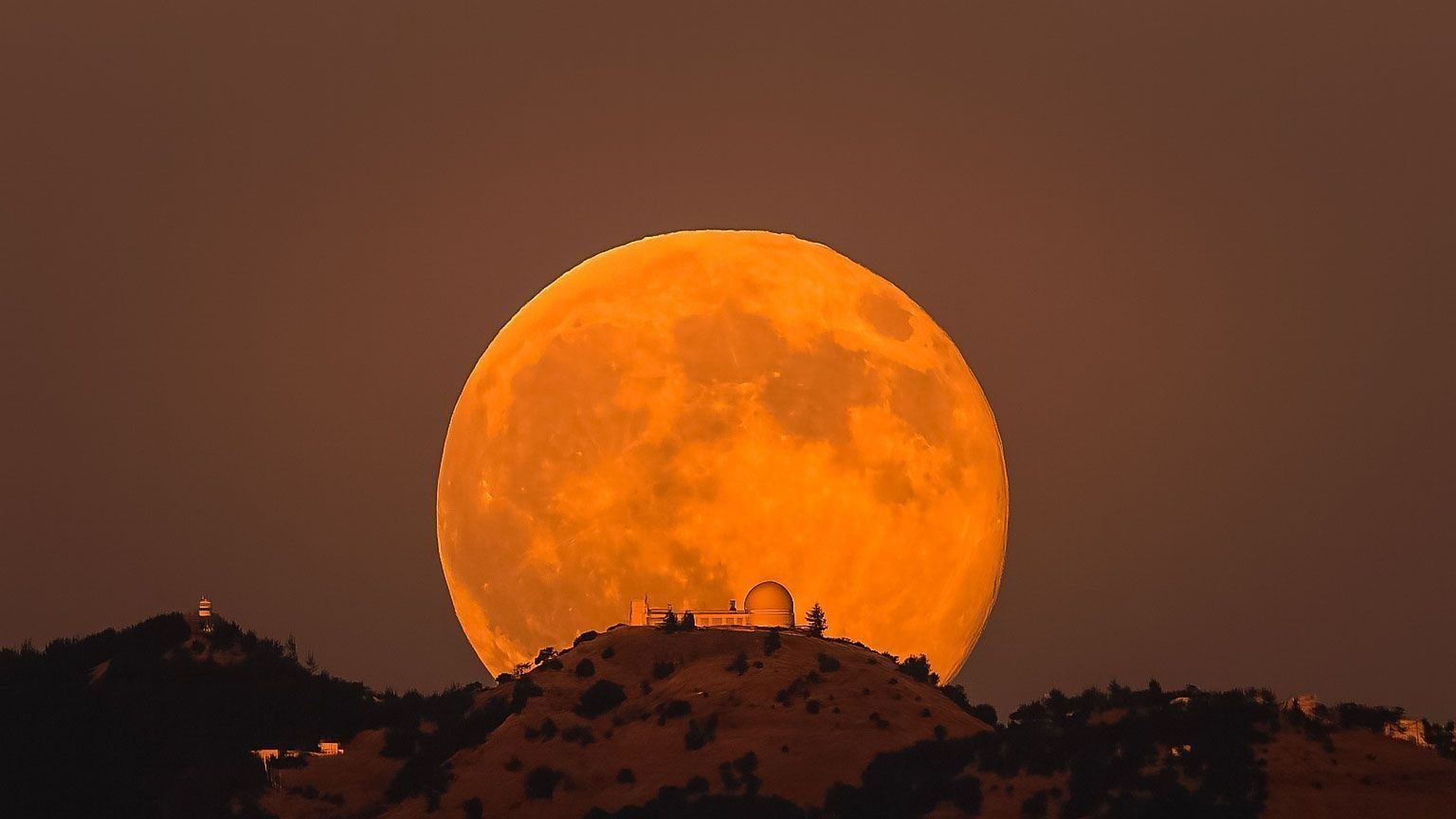
November 2025 is packed with sky shows: the year’s largest supermoon, a dark‑sky Leonids peak, a potential Taurid “swarm” of bright fireballs, Uranus glowing at opposition, plus photogenic Moon pairings and two star occultations. All dates below are given in UTC; convert to your local time. November’s full Moon reaches peak phase at 13:19 UTC on Nov 5, the same day it reaches perigee, making this the closest full Moon of 2025. Many outlets are calling it the year’s biggest supermoon; expect it to look ~8% larger and ~15–16% brighter than an average full Moon. It’s popularly the Beaver Moon; because the Harvest Moon fell in October this year, November’s full Moon is also the Hunter’s Moon. Best views come at moonrise/moonset when foregrounds give scale. Time and Date+3Time and Date+3Space+3
5 November 2025
Beaver Moon 2025 Tonight: See the Year’s Biggest Supermoon on Nov. 5 — Peak Time, How to Watch, Names & Live Streams

Beaver Moon 2025 Tonight: See the Year’s Biggest Supermoon on Nov. 5 — Peak Time, How to Watch, Names & Live Streams

Published: Nov. 5, 2025 The November Beaver Moon rises tonight as 2025’s largest and brightest full supermoon, a perigee‑side spectacle that will glow impressively both this evening and tomorrow evening. Below is your complete, up‑to‑the‑minute guide—timings, why it’s “super,” why this full moon has two popular names this year, how to watch from anywhere, tide notes, plus a roundup of what major outlets are reporting today.
5 November 2025
Last Chance to See Rare Green Comet Lemmon – A Once-in-a-Millennium Sky Spectacle

Last Chance to See Rare Green Comet Lemmon – A Once-in-a-Millennium Sky Spectacle

If you haven’t been skywatching lately, now is the time – Comet C/2025 A6, nicknamed Lemmon, is putting on its best show in late October 2025. This rare comet was first spotted in January by the Mount Lemmon Survey in Arizonasfgate.com. Since then it has been steadily brightening as it races toward the inner solar systemspace.com. By this week, Comet Lemmon reached magnitude ~4, making it one of the brightest comets of the year and borderline visible to the unaided eye under ideal conditionsskyatnightmagazine.com. For context, that’s about as bright as the dimmest stars in the Big Dipper. Most people will need optical aid, but even a small pair of binoculars reveals the comet’s ghostly green coma and faint tail against the twilight skyskyatnightmagazine.com. What makes Comet Lemmon truly special is its rarity. It’s a long-period comet on an orbit roughly a millennium longlivescience.com. “Now’s your best chance to see Comet Lemmon, as it will soon be lost from view and not visible for another 1,300 years,” noted BBC Sky at Night Magazineskyatnightmagazine.com. In fact, once it loops around the Sun in early November and heads back to the outer solar system, it won’t return until the 32nd century! For
26 October 2025
Double Meteor Shower Spectacle: Draconid and Orionid Displays Will Light Up October’s Night Sky

Meteor Storm or Moonlit Fizzle? Draconid ‘Dragon’ Meteor Shower Peaks Tonight with Skywatchers on Alert

Every October, the Draconid meteor shower gives skywatchers a chance – however slim – to see fireballs from the Dragon. The Draconids occur when Earth passes through dust debris shed by Comet 21P/Giacobini–Zinner, a small periodic comet that orbits the sun every 6.6 yearsts2.tech. As these cometary bits hit Earth’s atmosphere at a relatively languid pace, they burn up and streak across the sky as meteorsts2.tech. The Draconids take their name from the constellation Draco, from which the meteors appear to radiate. Because Draco is a northern constellation, the Draconid shower is best viewed from the Northern Hemisphereearthsky.orgfoxweather.com. Southern Hemisphere observers see little to none of this display, since Draco lies low or below the horizon for them in the evening. What makes the Draconids especially interesting is their timing. Unlike most meteor showers that are strongest after midnight or in pre-dawn hours, the Draconids are an early evening showts2.techfoxweather.com. As soon as darkness falls on the peak night, Draco’s radiant is high in the sky, and meteors may begin flitting overhead. This means you don’t have to stay up late or wake at an odd hour – a rare treat for casual stargazers. “The Draconids are a very quick
1 2 3

Stock Market Today

  • SPS Commerce (SPSC) Rallies 5.7% on Sale Rumors, Earnings in Focus
    June 29, 2026, 2:05 PM EDT. SPS Commerce (SPSC) closed up 5.7% at $58.87 after volume spiked and reports spread about a possible sale, tied to activist pressure for the company to consider strategic options. The supply chain software firm forecasts quarterly EPS of $1.08, up 8% from last year, and sees revenue at $195.14 million, up 4.1%. Consensus estimates for earnings didn't move in the last 30 days, which could cap upside ahead. SPSC sits at Zacks Rank #2 (Buy). Bowman Consulting (BWMN), another name in the group, climbed 2.3% but has seen its earnings estimates drop 14.6%; Zacks Rank is #3 (Hold). Market watching for shifts in earnings outlooks for clues on next moves.
Go toTop