Today: 21 July 2026
Browse Category

Stargazing 10 July 2025 - 19 August 2025

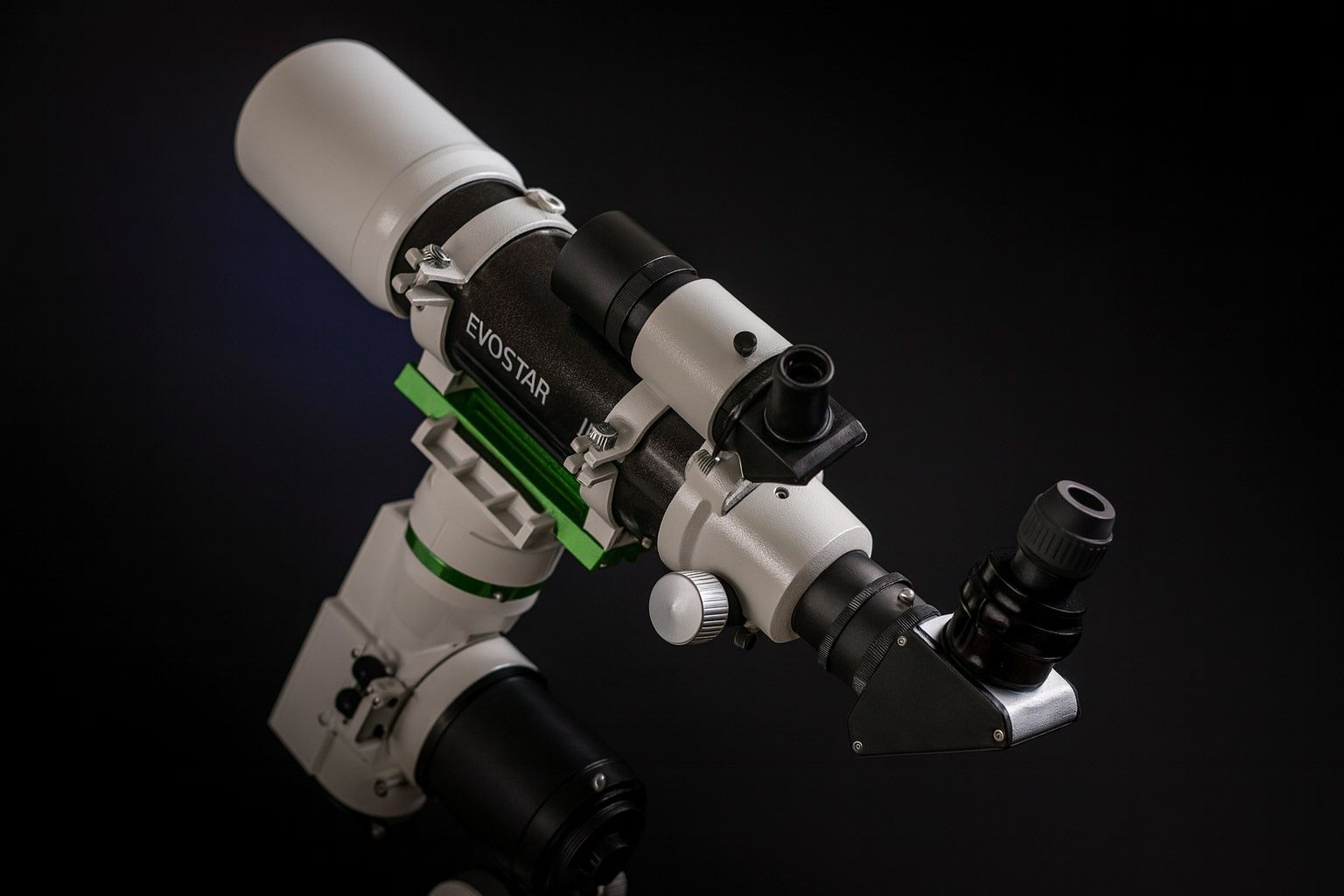
Sky-Watcher Evostar 80ED vs Skyliner 200P vs Star Adventurer 2i – Ultimate Astronomy Gear Showdown 2025

Sky-Watcher Evostar 80ED vs Skyliner 200P vs Star Adventurer 2i – Ultimate Astronomy Gear Showdown 2025

If you’re shopping for Sky-Watcher astronomy gear, three names will keep popping up: the Evostar 80ED, Skyliner 200P, and Star Adventurer 2i. These are all popular in their own right – one’s a refractor telescope, one’s a big reflector Dobsonian, and one’s a portable tracking mount – but they serve very different purposes. In this in-depth comparison, we’ll break down what each of these Sky-Watcher products is, their technical specs, ideal use cases, strengths and weaknesses, pricing and availability in 2025, expert opinions, and what real users are saying. By the end, you’ll know exactly which might be the best fit for your stargazing or astrophotography goals.
19 August 2025
Don’t Miss This Weekend’s Cosmic Show: Perseid Meteors, Planet Parade & Aurora Hints (Aug 17–18, 2025)

Don’t Miss This Weekend’s Cosmic Show: Perseid Meteors, Planet Parade & Aurora Hints (Aug 17–18, 2025)

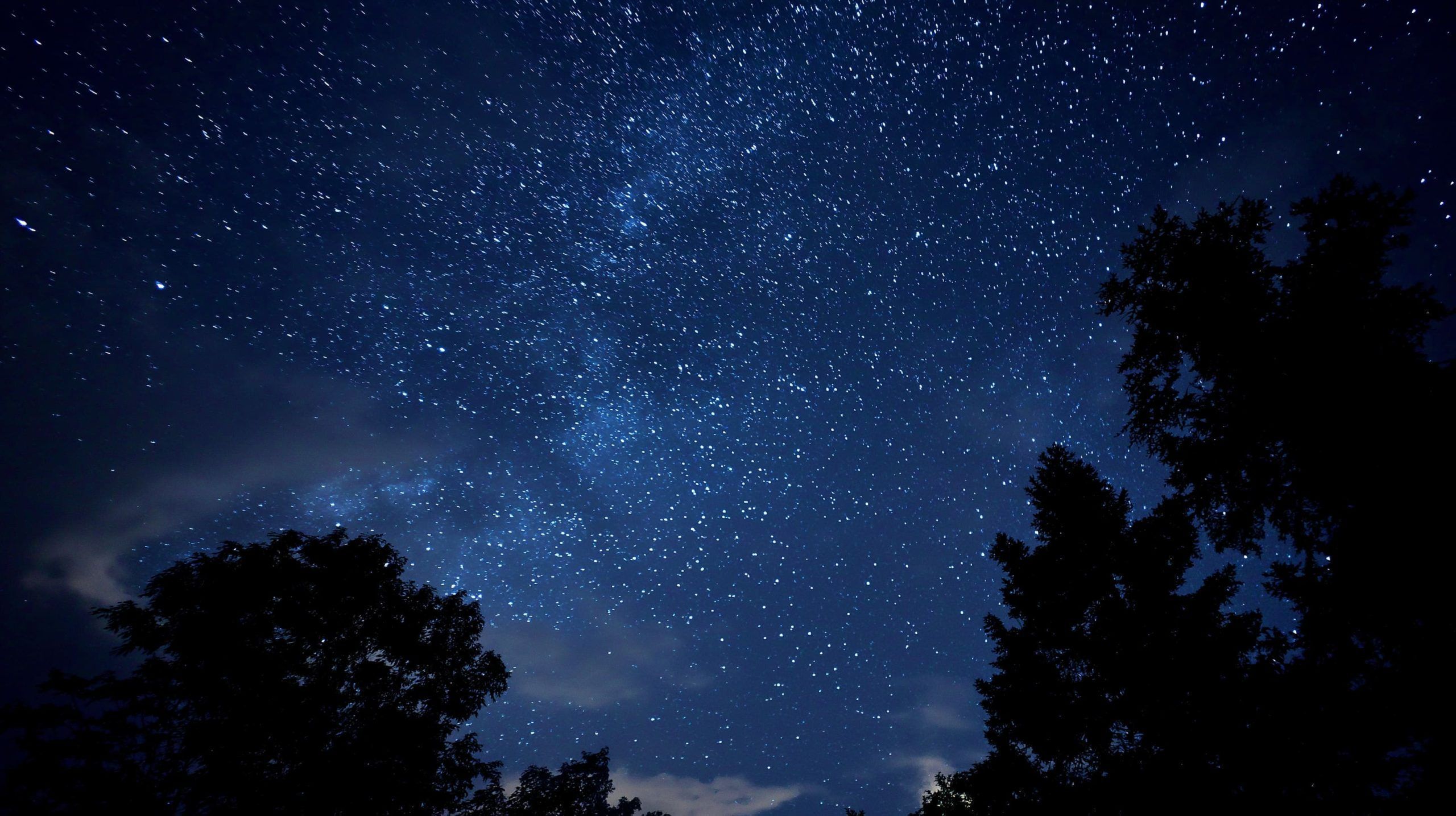
If you love gazing at the night sky, the weekend of August 17–18, 2025, is brimming with celestial delights. While no eclipses occur on these dates, skywatchers around the globe can enjoy a mix of meteor showers, planetary alignments, lunar close encounters, and even a potential aurora. Here’s an in-depth look at what to expect in the skies – and how to catch these phenomena – in a public-friendly roundup backed by expert sources.
17 August 2025
Don’t Miss These Sky Events on August 14–15, 2025: Shooting Stars, Planet Alignments, and More

Don’t Miss These Sky Events on August 14–15, 2025: Shooting Stars, Planet Alignments, and More

Get ready for an exciting night sky on August 14–15, 2025. From the tail end of a famous meteor shower to a potential aurora show, and from bright planet pairings to rocket launches, there’s a lot happening overhead. Below is a comprehensive skywatching guide – covering meteor showers, auroras, planets, the ISS, lunar highlights, and even human-made space events – so you can plan your stargazing and not miss a thing.
14 August 2025
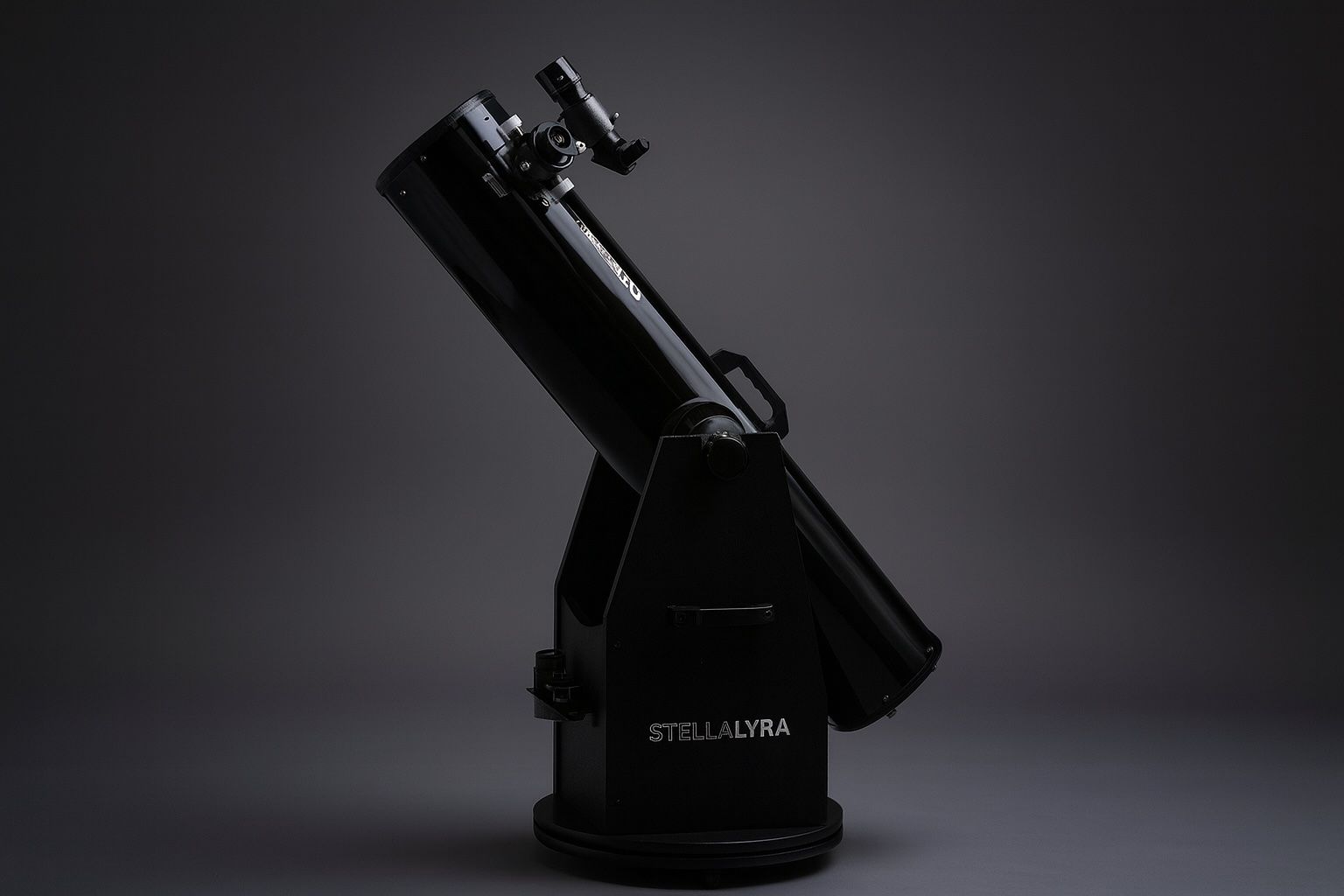
Dobsonian Showdown: StellaLyra 8″ f/6 vs Apertura AD8 vs Orion SkyQuest XT8

Dobsonian Showdown: StellaLyra 8″ f/6 vs Apertura AD8 vs Orion SkyQuest XT8

Which 8-inch Dobsonian reigns supreme? In the world of amateur astronomy, an 8" f/6 Dobsonian reflector is often hailed as the ultimate beginner’s telescope – big enough to wow you with deep-sky views, yet manageable and affordable. Three popular contenders dominate this category: the StellaLyra 8″ f/6, the Apertura AD8, and the Orion SkyQuest XT8. All three share the same optical formula, but each comes with its own set of features, accessories, and brand quirks. In this report, we pit them head-to-head on optical performance, build quality, accessories, user experience, portability, support, reviews, pricing, availability, and even future outlook. By the end, you’ll know which of these “light buckets” hits the sweet spot for your stargazing needs.
13 August 2025
Dazzling Meteor Shower Peaks Tonight – Your Skywatch Guide for August 11–12, 2025

Dazzling Meteor Shower Peaks Tonight – Your Skywatch Guide for August 11–12, 2025

Perseid Meteor Shower Peaks: The famous Perseid meteor shower is reaching its peak on the nights of August 11–12. Normally the Perseids can produce 50–100 “shooting stars” per hour under dark skies, but this year a glaring 84% full Moon will be in the way science.nasa.gov. The waning gibbous moon rises in late evening and will wash out many of the fainter meteors. “The average person under dark skies could see somewhere between 40 and 50 Perseids per hour” in a moonless year, explains Bill Cooke of NASA’s Meteoroid Environment Office. “Instead, you’re probably going to see 10 to 20 per hour or fewer, and that’s because we have a bright Moon in the sky washing out the fainter meteors” nasa.gov. In other words, expect only ~25% of the usual meteors – but don’t be discouraged! The Perseids are famous for producing “fireballs,” exceptionally bright meteors capable of rivaling Venus’s brilliance and even casting shadows euronews.com. These extra-bright meteors can punch through the moonlight, so keep watching for the occasional spectacular streak.
Spectacular Venus–Jupiter “Cosmic Kiss” Dazzles Early Morning Skies (Don’t Miss It!)

Spectacular Venus–Jupiter “Cosmic Kiss” Dazzles Early Morning Skies (Don’t Miss It!)

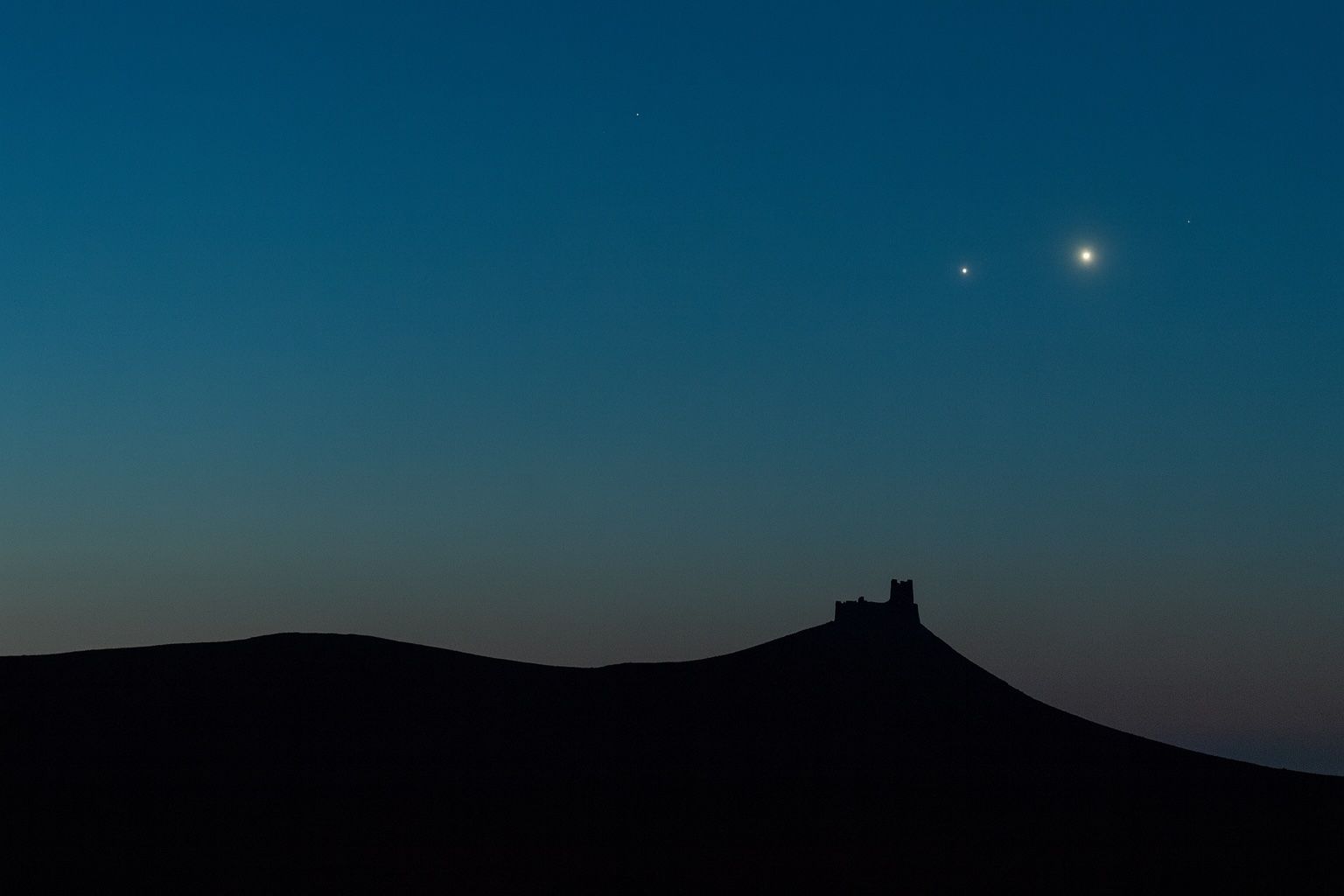
Wake up early this week for a rare celestial show: Venus and Jupiter, the two brightest planets, are about to meet in a dazzling planetary conjunction before sunrise. Skywatchers globally are abuzz over this “cosmic kiss” between our Solar System’s luminaries, which will shine only about one degree apart in the predawn sky marthastewart.com marthastewart.com. It’s a sight so bright and unique that even casual observers and media outlets are sounding the alert. Here’s everything you need to know – from what this conjunction means, to when and where to see it, why it’s special, expert insights, and the cultural backstory – so you don’t miss the year’s most dazzling planetary pairing.
10 August 2025
August 2025 Night Sky Spectacles: Rare Black Moon, Nebula Treasure, Mars in Virgo & Saturn’s Shadow Show

August 2025 Night Sky Spectacles: Rare Black Moon, Nebula Treasure, Mars in Virgo & Saturn’s Shadow Show

August 2025 offers a stellar lineup of celestial events that will delight everyone from casual stargazers to seasoned astronomers. From a rare “Black Moon” New Moon that creates inky-dark skies, to a ghostly nebula glowing in the summer stars, to Mars dancing through Virgo, and even Saturn’s moon Titan casting its shadow, the night sky is packed with must-see marvels. Read on to learn when and where to look, and get expert tips on enjoying these cosmic highlights.
10 August 2025
Cosmic Triple-Feature: Meteor Shower, Double Planet Show & Aurora Hopes on Aug 6–7, 2025

Cosmic Triple-Feature: Meteor Shower, Double Planet Show & Aurora Hopes on Aug 6–7, 2025

Get ready for a cosmic show on the nights of August 6–7, 2025. The sky will offer a bit of everything – from a ramping-up meteor shower to a dazzling pair of planets at dawn, all under the glow of an almost-full Sturgeon Moon. There’s even talk of potential auroras at high latitudes, plus the International Space Station and other satellites making appearances overhead. Experts at NASA and NOAA are weighing in: NASA calls the Perseids “the best meteor shower of the year” dayton247now.com, while space weather forecasters note we’re near the Sun’s active peak. Here’s your complete guide to all the skywatching highlights on these dates – what to see, when and where to look, and why they’re special.
6 August 2025
You Won’t Believe Where the Next Total Solar Eclipse Will Happen – Upcoming Solar Eclipses from 2025 Onward

You Won’t Believe Where the Next Total Solar Eclipse Will Happen – Upcoming Solar Eclipses from 2025 Onward

Introduction:Solar eclipses are among the most awe-inspiring celestial events, capable of turning day into night and revealing the Sun’s ghostly corona. From total eclipses to annular “ring of fire” eclipses and partial eclipses, each has its own allure. Astronomers and enthusiasts worldwide plan years in advance to be in the path of these eclipses. As veteran eclipse chaser Rick Fienberg famously said, “Going through life without ever experiencing ‘totality’ is like going through life without ever falling in love.” newsweek.com This report covers all the upcoming solar eclipses from August 2, 2025 onward, including details on their dates, types, visibility zones, and significance. Read on to discover when and where the next solar spectacles will occur – you may be surprised by which corners of the globe will plunge into daytime darkness next!
2 August 2025
The Telescope Revolution of 2025–2026: From Backyard Stargazing to Giant Cosmic Eyes

The Telescope Revolution of 2025–2026: From Backyard Stargazing to Giant Cosmic Eyes

A new wave of telescopes is taking shape in 2025 and 2026, thrilling everyone from casual backyard stargazers to professional astronomers. In this period, consumer telescope technology has leapt forward – think AI-powered “smart” scopes that practically run themselves – while massive observatories on Earth and in space are coming online to probe the deepest cosmic mysteries. In this in-depth report, we’ll compare the latest amateur telescopes alongside the cutting-edge research observatories, highlighting their features, innovations, and why experts are calling this a golden age of astronomy. By the end, you’ll see how new 2025–26 telescopes are transforming our view of the universe, whether you’re peering through a humble home telescope or a billion-dollar mega-observatory. Let’s dive in.
August 2025 Skywatch Alerts: Meteor Showers, Planetary Parades & Celestial Surprises

August 2025 Skywatch Alerts: Meteor Showers, Planetary Parades & Celestial Surprises

August 2025 brings a mixed bag of celestial spectacles for skywatchers. The famous Perseid meteor shower will peak under less-than-ideal moonlight, but the cosmos offers plenty of consolation prizes. A rare six-planet alignment will grace the dawn sky starwalk.space, Venus and Jupiter stage a dazzling close encounter starwalk.space, and the Sun’s heightened activity could spark vibrant auroras science.nasa.gov. Below is a comprehensive guide to all the major skywatching events in August 2025 – from meteor “fireballs” and eclipses to planetary meet-ups, satellite reentries, and more – complete with expert insights and key viewing tips.
30 July 2025
July 10 2025’s ‘Buck Moon’ Will Be the Farthest‑From‑the‑Sun, Low‑Riding Full Moon of the Decade—Here’s the Exact Time, Best Viewing Tricks & Pro Photo Hacks You Need

July 10 2025’s ‘Buck Moon’ Will Be the Farthest‑From‑the‑Sun, Low‑Riding Full Moon of the Decade—Here’s the Exact Time, Best Viewing Tricks & Pro Photo Hacks You Need

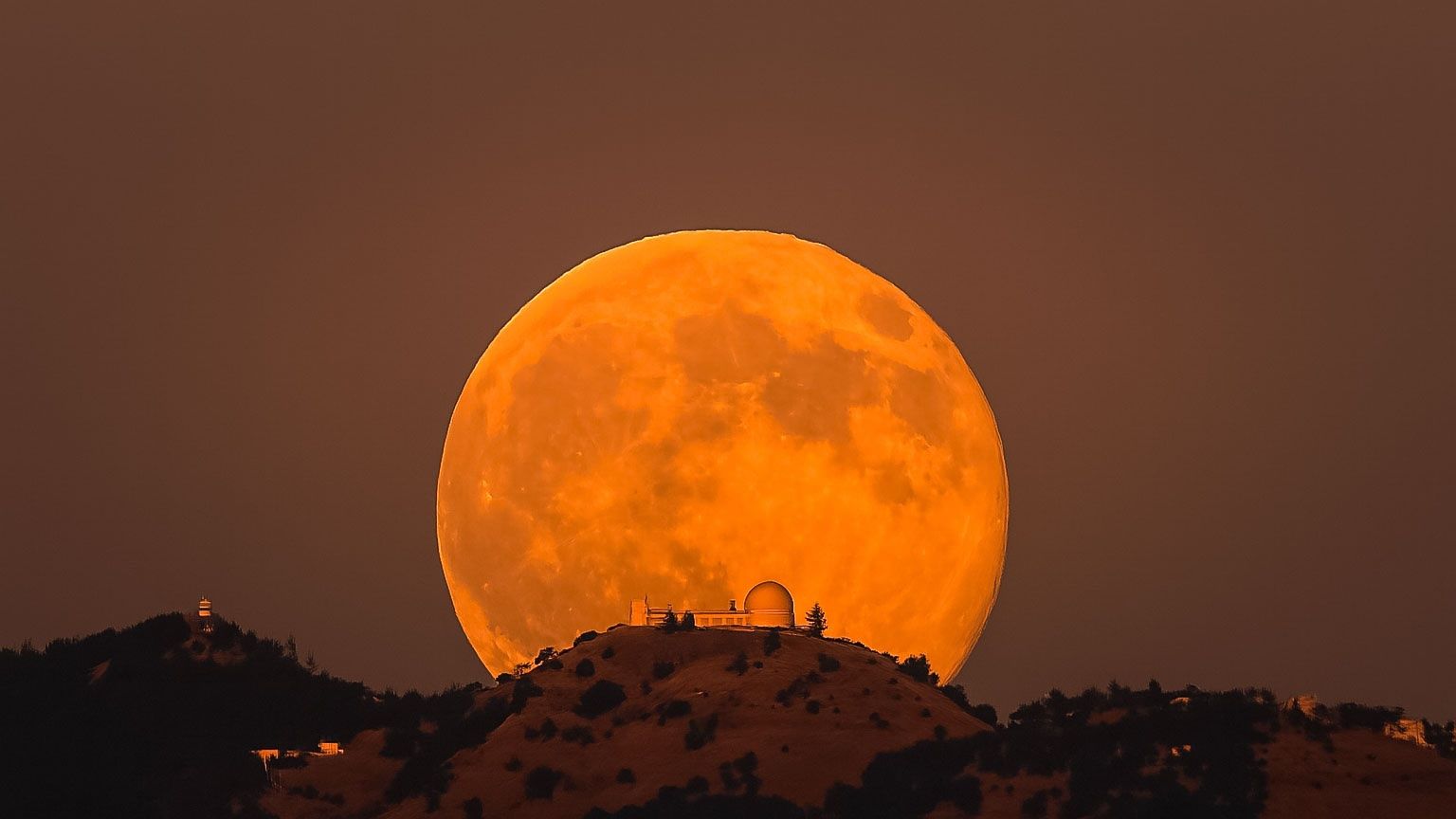
A full Moon is always photogenic, but the one cresting the horizon on Thursday, 10 July 2025 is laced with rare orbital quirks: it peaks just days after Earth’s aphelion, during a major lunar‑standstill year, and only five days after the Moon’s apogee. The result is 2025’s most distant full Moon from the Sun, travelling an unusually low arc across the sky—perfect for dramatic skyline shots but easy to miss if you look too late. Below you’ll find the science, culture, up‑to‑the‑minute viewing times, expert quotes and step‑by‑step imaging advice, all backed by primary sources.
10 July 2025
Go toTop