Today: 21 July 2026
Browse Category

Stargazing 20 August 2025 - 4 October 2025

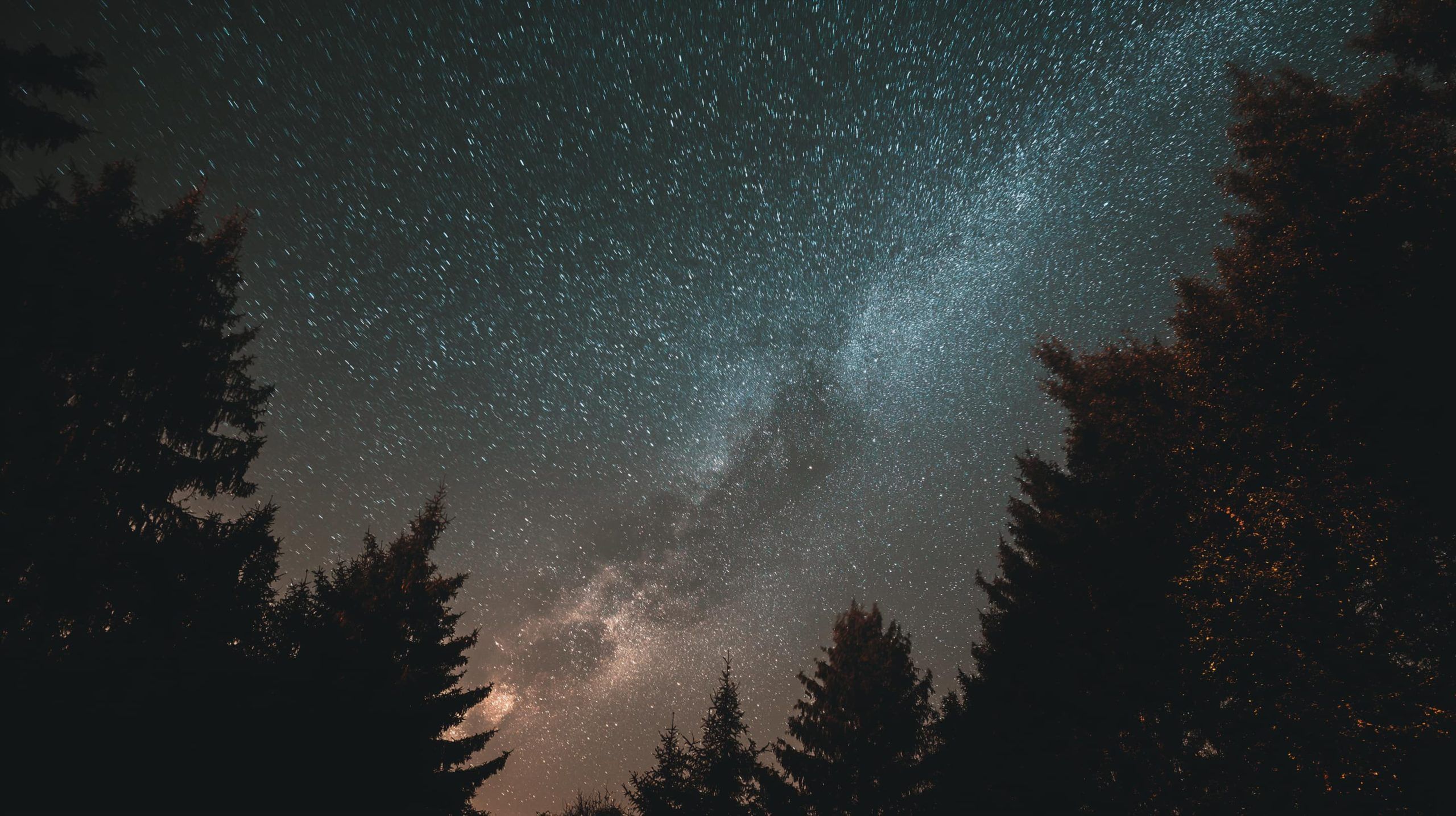
Two Comets Will Light Up October’s Night Sky – When and How to Watch

Two Comets Will Light Up October’s Night Sky – When and How to Watch

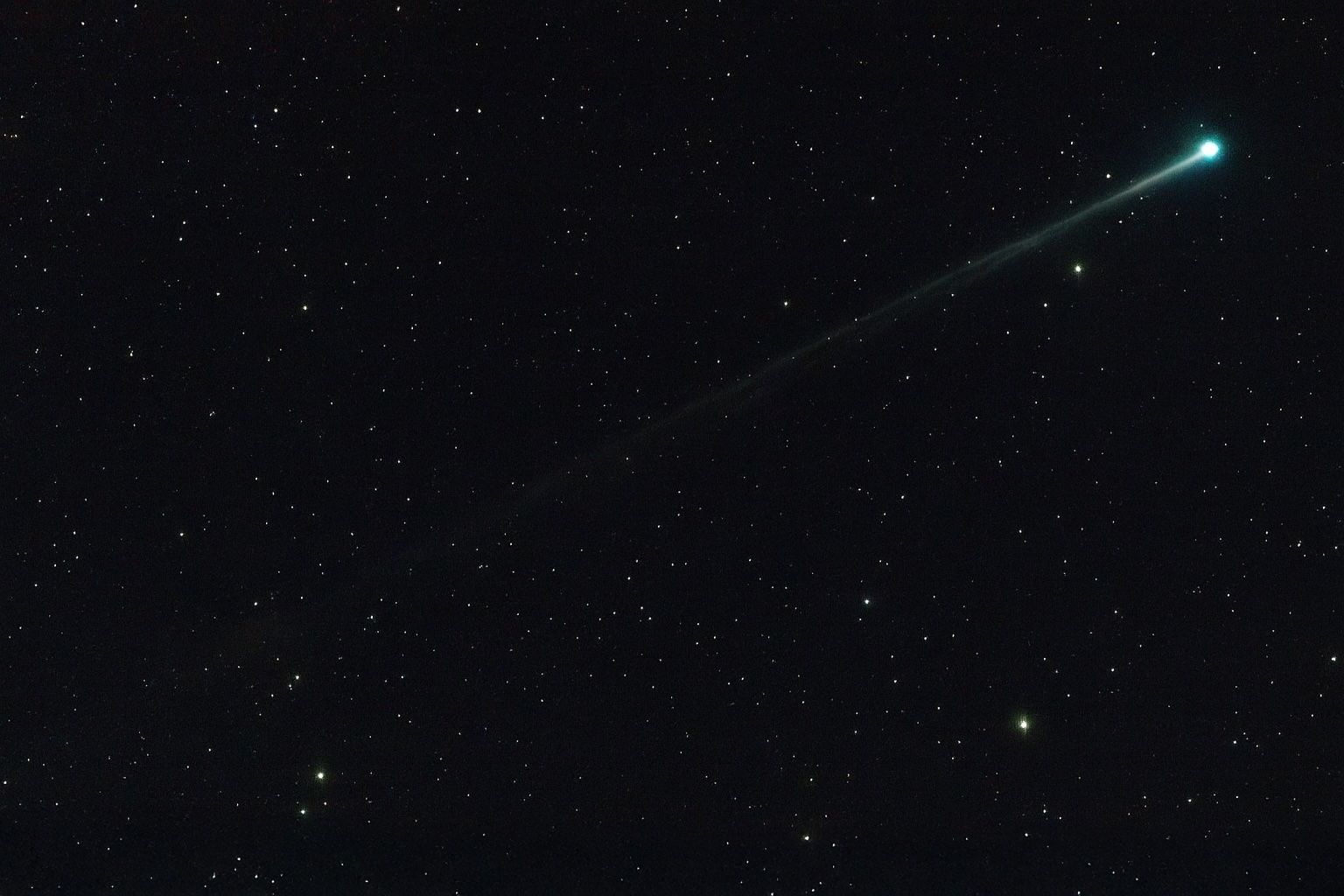
This fall’s night sky brings not one but two comets into view – a rare cosmic coincidence that has amateur astronomers buzzing. Comet C/2025 A6 and Comet C/2025 R2 both formed in the frigid outskirts of the solar system and have traveled inward for the first time in millennia. “These features make ‘Lemmon’ a striking reminder of the icy wanderers that visit the inner solar system from the distant Oort Cloud,” noted astronomer Aleix Roig after capturing the comet’s eerie green glow in late September space.com. Comets like these spend most of their lives in the Oort Cloud, until gravitational nudges send them sunward. As they approach the sun, solar heat causes them to outgas, releasing dust and gas that form a fuzzy coma and often two tails – one of dust and one of ionized gas fox8live.com fox8live.com. The specific gases can even tint a comet’s coma; for example, diatomic carbon gas fluorescing in sunlight gives many comets a greenish coma space.com.
4 October 2025
7 Celestial Events You Can’t-Miss on Oct. 3–4, 2025

7 Celestial Events You Can’t-Miss on Oct. 3–4, 2025

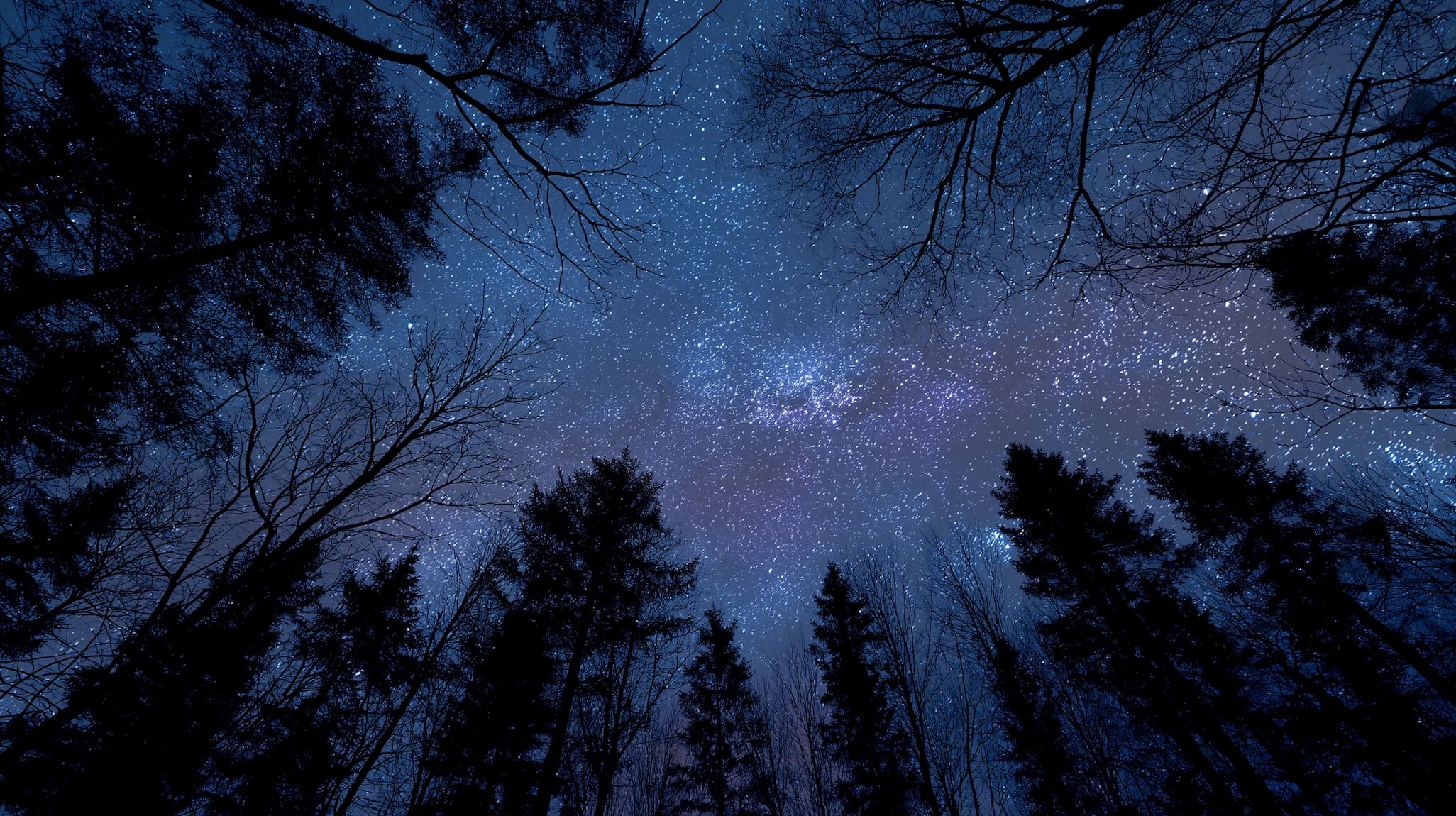
:contentReference[oaicite:27]{index=27}*Satellites streak across the sky at dawn/dusk.* SpaceX’s **Starlink trains** are often visible shortly after launch: bright, evenly-spaced lights that move together like a miniature “train”:contentReference[oaicite:28]{index=28}. Meanwhile, the **ISS** is visible as a bright, fast-moving “star” about 90 minutes apart whenever it crosses your sky. NASA notes that all ISS sightings occur within a few hours of sunrise or sunset:contentReference[oaicite:30]{index=30}. Sign up for NASA’s Spot the Station to get precise pass times for your location. :contentReference[oaicite:31]{index=31}*Comet SWAN near the star Spica*. Two new comets will be gracing the sky in October. **C/2025 R2** was just discovered in SWAN/​SOHO images, and amateur trackers report it near 7th magnitude. Models forecast it will peak around mag +6 to +7 in mid-October:contentReference[oaicite:32]{index=32}, flirting with naked-eye visibility. It should appear near Spica in Libra in mid-Oct. **C/2025 A6**, found this year, is brightening fast. By late October it may reach mag +4:contentReference[oaicite:33]{index=33}. Lemmon climbs high in the pre-dawn sky, low in the east near the Big Dipper:contentReference[oaicite:34]{index=34}. British astrophotographer Nick James encourages watchers: *“This comet is developing very nicely… well-placed for observation in the morning sky… It is definitely worth getting up for!”*:contentReference[oaicite:35]{index=35}. Binoculars or a small telescope will reveal each comet’s greenish coma
3 October 2025
Cosmic Showcase: What’s Up in the Sky on Sept 28–29, 2025

Cosmic Showcase: What’s Up in the Sky on Sept 28–29, 2025

This weekend’s meteor activity will be modest. No major shower peaks on Sept 28–29. The Orionids have just started but are weak – current rates are well under 1 meteor/hour and won’t peak until Oct. 23 amsmeteors.org. The only notable shower is the Southern Taurids, active Sept 23–Nov 12 with a broad radiant. AMS predicts a Southern Taurid rate of about 3/hour around local midnight amsmeteors.org. All other named showers are producing
28 September 2025
Incredible Skywatch Weekend: Northern Lights, Meteor Fireballs & Planetary Sights (Sept 27–28, 2025)

Incredible Skywatch Weekend: Northern Lights, Meteor Fireballs & Planetary Sights (Sept 27–28, 2025)

Space weather officials are on alert for auroras this weekend. A large coronal hole on the Sun has rotated into an Earth-facing position, sending a stream of fast solar wind toward Earth. According to NOAA’s Space Weather Prediction Center, this “weak enhancement in the solar wind” is forecast to arrive and push geomagnetic activity to unsettled or even active levels, with a chance of minor G1 storms space.com. In practical terms, that means the Northern Lights could strengthen on the nights of Sept. 27–28. If the disturbance reaches G1 levels, auroras may become visible farther south than usual – perhaps into the northern continental US and Scotland under dark skies space.com. High-latitude regions are most likely to see auroral displays, especially around local midnight when geomagnetic activity typically peaks.
27 September 2025
Northern Lights, New Comet & Saturn Shine: Must-See Sky Events on Sept 25–26, 2025

Northern Lights, New Comet & Saturn Shine: Must-See Sky Events on Sept 25–26, 2025

It’s aurora season! The autumnal equinox is traditionally a prime time for auroras because of the way Earth’s magnetic field interacts with the solar wind this time of year. Researchers have observed that around the equinoxes, cracks tend to open in Earth’s magnetosphere, allowing even relatively minor solar activity to trigger auroral displays spaceweatherarchive.com spaceweatherarchive.com. This is known as the Russell–McPherron effect – essentially, “even a gentle gust of solar wind can breach our planet’s magnetic defenses” near the equinox spaceweatherarchive.com.
25 September 2025
Equinox Sky Alert: Northern Lights, Planet Parade & More Dazzle Sept 22–23, 2025

Equinox Sky Alert: Northern Lights, Planet Parade & More Dazzle Sept 22–23, 2025

Monday, September 22 marks the autumnal equinox, the moment the Sun crosses Earth’s equator. Day and night are nearly equal in length across the globe during an equinox earthsky.org. In 2025 this happens at 18:19 UTC on Sept 22 earthsky.org earthsky.org. For the Northern Hemisphere, it’s the first day of autumn; for the Southern Hemisphere, spring begins earthsky.org. Equinoxes are more than just a date on the calendar – they also have an interesting side effect for skywatchers: an “equinox effect” that can amplify the Northern Lights!
22 September 2025
Rare ‘Equinox Eclipse’ on Sept. 21, 2025 – Partial Solar Eclipse Promises a Spectacular Sunrise Show

Rare ‘Equinox Eclipse’ on Sept. 21, 2025 – Partial Solar Eclipse Promises a Spectacular Sunrise Show

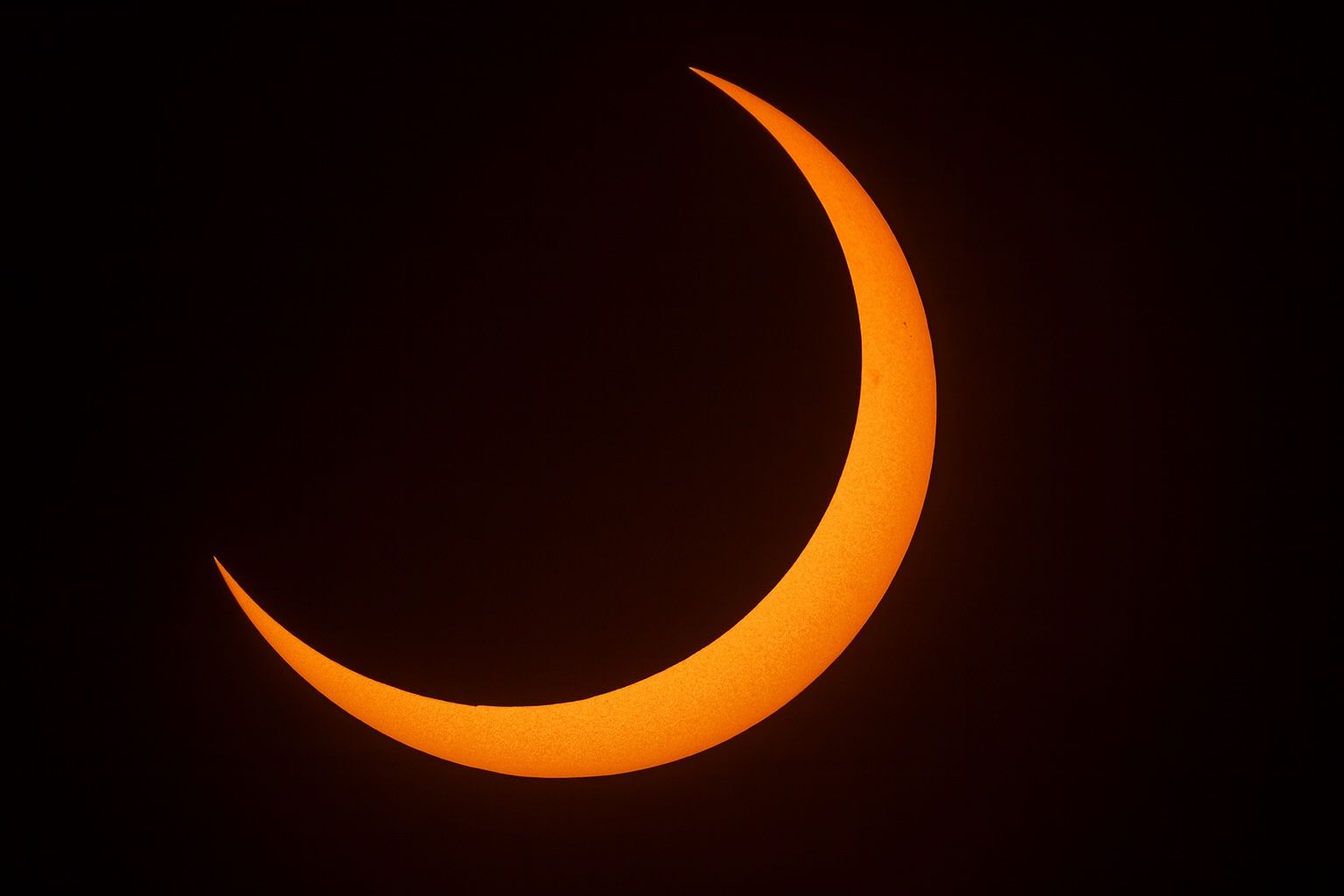
A partial solar eclipse happens when the moon passes between Earth and the sun but doesn’t completely cover the sun, so only a portion of the sun’s disk is obscured space.com. To an observer, it appears as if the moon has taken a “bite” out of the sun – leaving the sun as a bright crescent shape in the sky. In a partial eclipse the alignment isn’t perfect; the moon’s central shadow misses Earth, so we only experience the penumbra en.wikipedia.org.
21 September 2025
Skywatchers’ Weekend Spectacle: Eclipse, Auroras & Saturn Dazzle Sept 20–21, 2025

Skywatchers’ Weekend Spectacle: Eclipse, Auroras & Saturn Dazzle Sept 20–21, 2025

Even without a major meteor shower peak, the night sky is still offering shooting stars this weekend. Several minor meteor showers are active, and combined with random “sporadic” meteors they can produce up to 10 meteors per hour under dark skies imo.net imo.net. The Moon is new on Sept 21 imo.net, which means moonless dark skies ideal for meteor spotting in the predawn hours.
20 September 2025
Don’t Miss This Weekend’s Celestial Show: Moon & Venus Dawn Dance, Saturn at Peak Brightness, and Aurora Alerts

Don’t Miss This Weekend’s Celestial Show: Moon & Venus Dawn Dance, Saturn at Peak Brightness, and Aurora Alerts

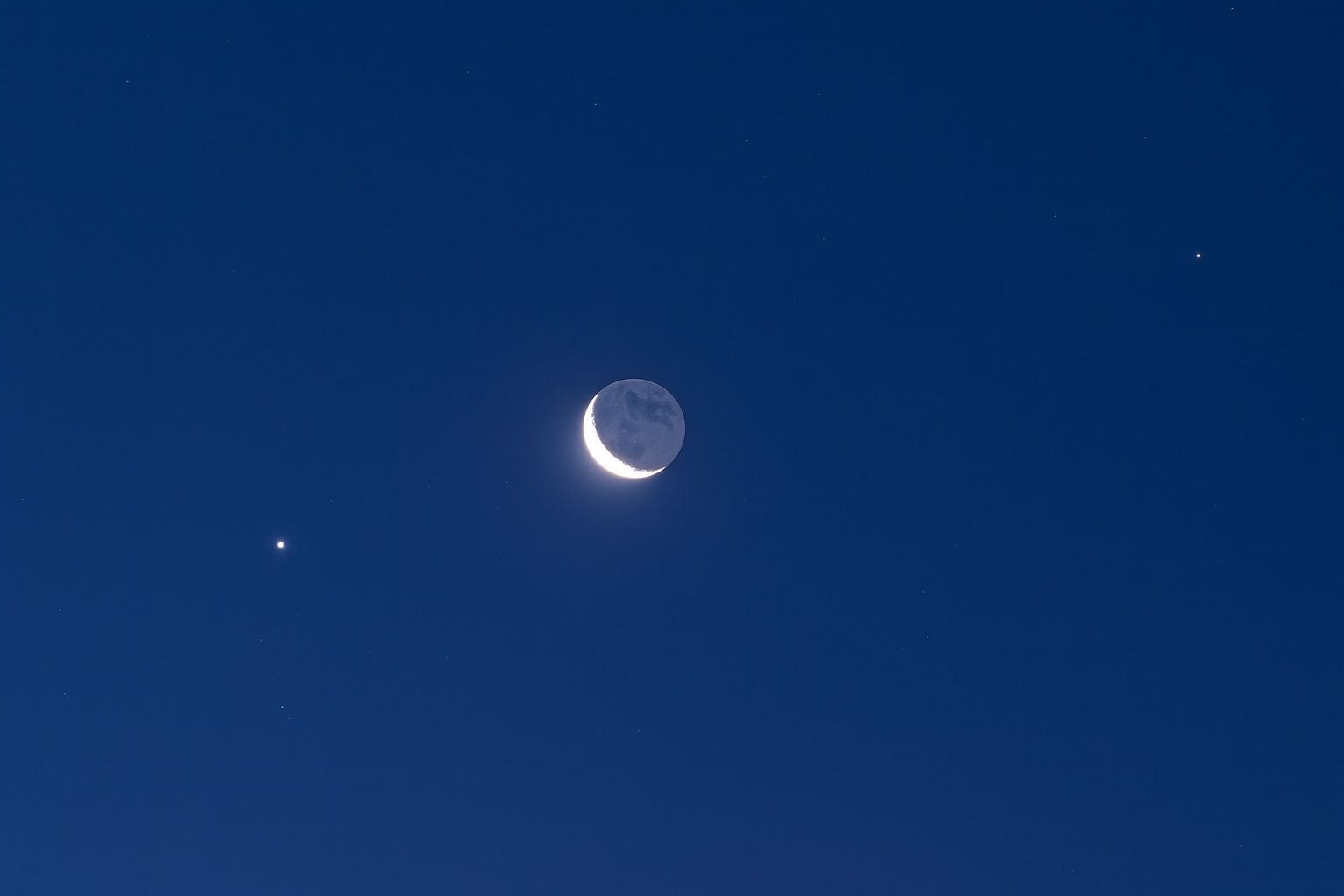
If you’re up early, look east before sunrise on Friday, Sept. 19. You’ll be rewarded with a gorgeous trio of celestial objects clustered together in the growing dawn light earthsky.org. The crescent Moon, just 27 days old and barely 7% illuminated, will hover right above brilliant Venus predicalendar.com earthsky.org. Just adjacent to Venus you’ll spot Regulus, the blue-white heart of the Leo constellation. NASA calls it “a magnificent conjunction” – these three will appear side-by-side, though of course they’re actually far apart in space science.nasa.gov. It’s a striking visual alignment: picture Venus as a “jewel” and the slim Moon as a curved backdrop, with Regulus adding a spark of starlight.
19 September 2025
Don’t Miss 2025’s Rare Triple Conjunction: Moon, Venus & Regulus Light Up Dawn Sky

Don’t Miss 2025’s Rare Triple Conjunction: Moon, Venus & Regulus Light Up Dawn Sky

Triple Conjunction is the term for an apparent meeting of three celestial bodies in close proximity in the sky. In astronomy, a conjunction means two or more objects share a similar line-of-sight or celestial longitude, appearing near each other from Earth’s perspective science.nasa.gov livescience.com. When three objects rendezvous in this way, it becomes a triple conjunction. Such events are special because getting three bright objects all in the same tiny patch of sky is uncommon – their orbital paths rarely line up so perfectly at the same time space.com sciencealert.com.
18 September 2025
Skywatch Alert: Rare Meteor Shower, Auroras, and Planetary Spectacles on Sept 16–17, 2025

Skywatch Alert: Rare Meteor Shower, Auroras, and Planetary Spectacles on Sept 16–17, 2025

One of the most intriguing sky events this week is the Chi Cygnid meteor shower, an unusual, recently discovered meteor display. First noticed in 2015 by NASA astronomer Peter Jenniskens and colleagues, the Chi Cygnids have shown a pattern of increased activity every 5 years earthsky.org earthsky.org. This year’s return was expected to climax around September 13–15, 2025 earthsky.org earthsky.org, and indeed low-light cameras detected a flurry of slow-moving meteors from this source in recent days earthsky.org earthsky.org. The Chi Cygnid radiant lies in the constellation Cygnus, near the star Eta Cygni amsmeteors.org. Fortunately, Cygnus is almost directly overhead by mid-evening for mid-northern latitudes, so these meteors can be spotted as soon as it gets dark amsmeteors.org earthsky.org.
16 September 2025
Aurora Alert and Saturn Spectacle: Skywatch Highlights for Sept 14–15, 2025

Aurora Alert and Saturn Spectacle: Skywatch Highlights for Sept 14–15, 2025

Saturn is the star of the show in mid-September’s night sky. The ringed planet is almost at opposition – the point on Sept 21 when Earth lies directly between Saturn and the Sun science.nasa.gov. In practical terms, this means Saturn is currently at its closest and brightest for 2025. It rises in the east around sunset and stays up all night long, outshining most stars around it. Look for a steady, yellowish point of light in the eastern evening sky. Unlike twinkling stars, planets shine with a steady light.
14 September 2025
Skywatch Alert: Meteors, Auroras & Planet Parade on Sept. 9–10, 2025

Skywatch Alert: Meteors, Auroras & Planet Parade on Sept. 9–10, 2025

An annual meteor shower is gracing the early-September skies – albeit a minor one. The September Epsilon Perseids are active from about Sept. 5 to 21 in-the-sky.org as Earth drifts through debris left by an unidentified comet. This shower is not to be confused with August’s famous Perseids; the September Epsilon Perseids are much fainter and produce far fewer meteors space.com space.com. In 2025, peak activity is expected around 8 a.m. EDT on Sept. 9 space.com in-the-sky.org. That timing means the best chances to see meteors come in the predawn hours of Sept. 9, though the mornings before and after could also yield a few shooting stars.
9 September 2025
Weekend Skywatch Alert: Blood Moon Eclipse, Auroras & Shooting Stars Collide (Sept 6–7, 2025)

Weekend Skywatch Alert: Blood Moon Eclipse, Auroras & Shooting Stars Collide (Sept 6–7, 2025)

If you live in mid to high latitudes, you could be in for a treat this weekend: the Northern Lights might come out to play. Space weather forecasters at NOAA’s Space Weather Prediction Center have issued a G1 geomagnetic storm watch for September 6–7 due to a high-speed solar wind stream buffeting Earth’s magnetic field earthsky.org. This solar wind surge comes from a “positive polarity” coronal hole on the Sun – essentially an open magnetic gap in the Sun’s atmosphere unleashing fast-moving particles toward Earth dailygalaxy.com. NOAA has classified the event as a G1 storm with an expected Kp index of 5, meaning auroras could dip much farther south than usual dailygalaxy.com.
6 September 2025
Skywatch Alert: Meteor Shower, Planet Parade & Auroras Dazzle This Weekend (Aug 30–31, 2025)

Skywatch Alert: Meteor Shower, Planet Parade & Auroras Dazzle This Weekend (Aug 30–31, 2025)

Late August 2025 brings wonderfully dark night skies thanks to the Moon’s phase. August 23 was a rare “Black Moon”, so evenings around Aug 27–30 have had little moonlight ts2.tech. By this weekend the Moon is only about 7–8 days old, setting around midnight and leaving most of the night moonless ts2.tech. These dark conditions are ideal for spotting faint meteors, the Milky Way, and other dim celestial sights without glare ts2.tech.
30 August 2025
Don’t Miss This Weekend’s Cosmic Light Show: Meteors, Auroras & 5-Planet Parade on Aug 29–30, 2025

Don’t Miss This Weekend’s Cosmic Light Show: Meteors, Auroras & 5-Planet Parade on Aug 29–30, 2025

Late August 2025 offers wonderfully dark skies thanks to the timing of the Moon. August 23 marked a rare third new moon in a season, leaving nights around Aug 27–30 exceptionally dark ts2.tech. By Aug 29–30 the Moon is only 6–7 days old – a slim waxing crescent that sets relatively early in the evening. In fact, on Aug 29 the Moon will be roughly first-quarter phase and set around local midnight, meaning minimal moonlight interference for most of the night. This creates prime conditions for viewing faint meteors, the Milky Way, and other dim celestial objects.
29 August 2025
Spectacular Late-August Sky Show: Dark Moon, Meteors, Planets & Satellite Trains on Aug 28–29, 2025

Spectacular Late-August Sky Show: Dark Moon, Meteors, Planets & Satellite Trains on Aug 28–29, 2025

Late August 2025 brings unusually dark skies thanks to a rare Black Moon. The new Moon on Aug. 23 was the third new Moon in a season of four space.com – a configuration that leaves the next days moonless. By Aug 27–28 the slim crescent Moon is just a few days old and sets soon after dusk, so Moonlight won’t drown out fainter night-sky sights ts2.tech.
Cosmic Spectacle: What to Watch in the Sky on August 25–26, 2025

Cosmic Spectacle: What to Watch in the Sky on August 25–26, 2025

The nights of August 25–26, 2025 are packed with celestial sights – from the last flickers of a famous meteor shower to a pre-dawn planet parade, plus dark moonless skies, a chance for auroras, bright space station flyovers, and even a rocket launch visible to some lucky observers. With a rare “Black Moon” having just occurred, no moonlight will interfere with stargazing, making these nights ideal for skywatchers. Below we break down each phenomenon – what it is, when/where to see it, and why it’s special – in an accessible way for all. Mark your calendars, set your alarms, and look up – the universe is putting on a show! ts2.tech
25 August 2025
Skywatchers Alert: Meteors, Planetary Parade, Auroras & More Dazzle on August 21–22, 2025

Skywatchers Alert: Meteors, Planetary Parade, Auroras & More Dazzle on August 21–22, 2025

The night sky on August 21–22, 2025 is shaping up to be a cosmic extravaganza filled with eye-catching celestial events. From the lingering Perseid meteors streaking across moonless skies to a “planet parade” at dawn featuring multiple planets, there’s plenty for skywatchers to enjoy. Even the Northern Lights might make a subtle appearance for some lucky observers, and a host of satellite flyovers – including the bright International Space Station and newly launched Starlink “trains” – will add to the show. Below, we break down each phenomenon and why it matters, with tips on how to see these wonders for yourself. So grab your calendars and plan to look up – the universe has a spectacle in store on these dates!
21 August 2025
Aug 20–21 Cosmic Extravaganza: Meteor Showers, Planet Parade & Northern Lights Dazzle the Night Sky

Aug 20–21 Cosmic Extravaganza: Meteor Showers, Planet Parade & Northern Lights Dazzle the Night Sky

Mid-to-late August means the Perseid meteor shower is still active, even though its peak on August 12–13 has passed ts2.tech. The Perseids officially continue through August 23 ts2.tech, so on the nights of August 20 and 21, 2025 you may still catch a few “shooting stars” each hour streaking across the sky. In a dark sky with no Moon, the Perseids can normally produce up to 50–100 meteors per hour at their peak under ideal conditions ts2.tech. However, this year a bright Moon washed out many of the fainter meteors during the peak ts2.tech. “Instead, you’re probably going to see 10 to 20 per hour or fewer, and that’s because we have a bright Moon in the sky washing out the fainter meteors,” explained Bill Cooke, lead of NASA’s Meteoroid Environment Office, ahead of the peak ts2.tech. The good news is that by August 20–21 the Moon is a thin waning crescent – effectively no moonlight interference ts2.tech. This gives darker skies and a fighting chance to spot remaining Perseids. You might see on the order of just a few meteors per hour, especially in the late-night to pre-dawn hours when Earth is plowing head-on into the meteor stream ts2.tech.
20 August 2025
Go toTop