Today: 20 July 2026
Browse Category

LSE:VOD 24 February 2025 - 30 May 2025

State of Internet Access in Albania: From Fiber Optics to Satellite Signals

State of Internet Access in Albania: From Fiber Optics to Satellite Signals

Internet access in Albania has transformed from a luxury to an essential utility over the past two decades. Today, over 83% of Albanians use the internet regularly, and nearly 96.7% of households have some form of internet access Gov. This widespread connectivity is underpinned by a mix of fiber-optic fixed broadband, extensive mobile networks, and new satellite services. The Albanian government’s push for digital services and the nation’s aspiration to meet EU digital standards have further catalyzed improvements in infrastructure and adoption. The following report examines Albania’s internet infrastructure – from high-speed fiber lines to satellite signals – and evaluates coverage, service quality, key providers, affordability, policies, and future prospects.
30 May 2025
Fire, Ice, and Fiber: How Iceland’s Internet Leaves the World in the Dust

Fire, Ice, and Fiber: How Iceland’s Internet Leaves the World in the Dust

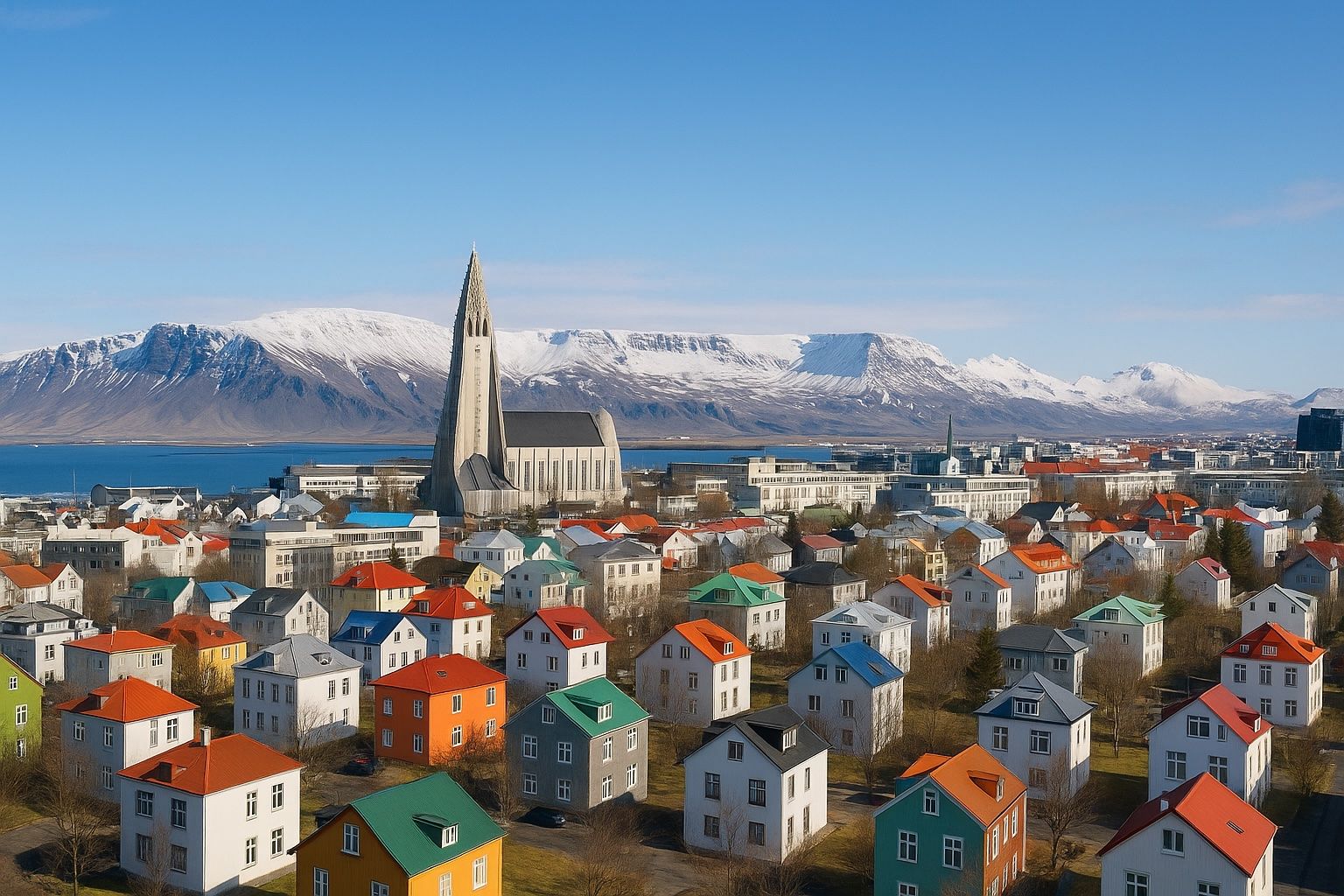
Iceland may be a small, remote island in the North Atlantic, but it boasts one of the world’s most advanced internet ecosystems. Virtually the entire population is online – over 99% of Icelanders use the internet en.wikipedia.org – and they enjoy some of the fastest connections on Earth. This report explores Iceland’s internet infrastructure from ultra-fast fiber networks to far-reaching mobile coverage, detailing key providers, speeds, accessibility, government initiatives, satellite options, and how Iceland compares globally.

29 May 2025
Internet Access in Kiribati: Bridging the Digital Divide Across Remote Pacific Islands

Internet Access in Kiribati: Bridging the Digital Divide Across Remote Pacific Islands

Kiribati is a remote Pacific nation of 33 atolls spread over 3.5 million km² of ocean​ Esa. This extreme geographic dispersion makes internet access both crucial for development and challenging to achieve. Improved connectivity is vital for Kiribati’s economic and social progress – enabling better education, healthcare, e-commerce, and communication services in an otherwise isolated setting​ Gov. Over the past decade, the country has made strides in expanding internet access, but significant gaps remain due to its unique insular environment.
22 March 2025
Internet Access in Iraq

Internet Access in Iraq

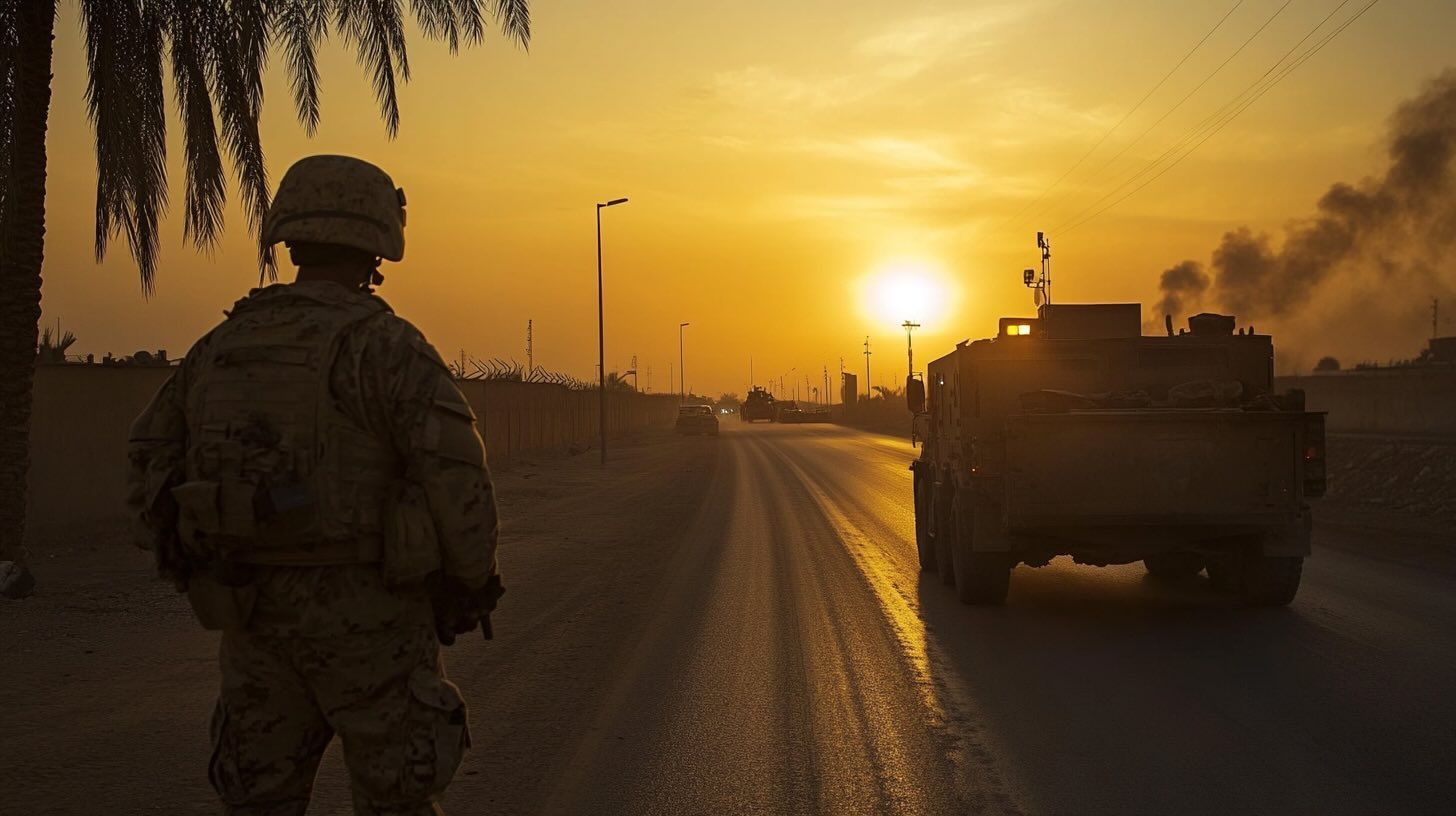
Iraq’s internet infrastructure has expanded significantly since the early 2000s, though much of the core network remains under government ownership. The Ministry of Communications controls the national fiber-optic backbone and international gateways, leasing bandwidth to private ISPs​ trade.gov. Iraq is connected via terrestrial fiber links to all six neighboring countries and to undersea cables like Gulf Bridge International, but overall capacity is still catching up to demand​ trade.gov. The state fixed-line network is in poor condition, with limited fiber-to-the-home projects concentrated in Baghdad​ trade.gov. As a result, most Iraqis access the internet through wireless means – either mobile networks, Wi-Fi at internet cafes, or local neighborhood Wi-Fi providers – since last-mile fixed broadband is not widely available​ trade.gov. These community-based networks share bandwidth leading to relatively low speeds per user​ trade.gov.
24 February 2025
Internet Access in Ukraine: Overview

Internet Access in Ukraine: Overview

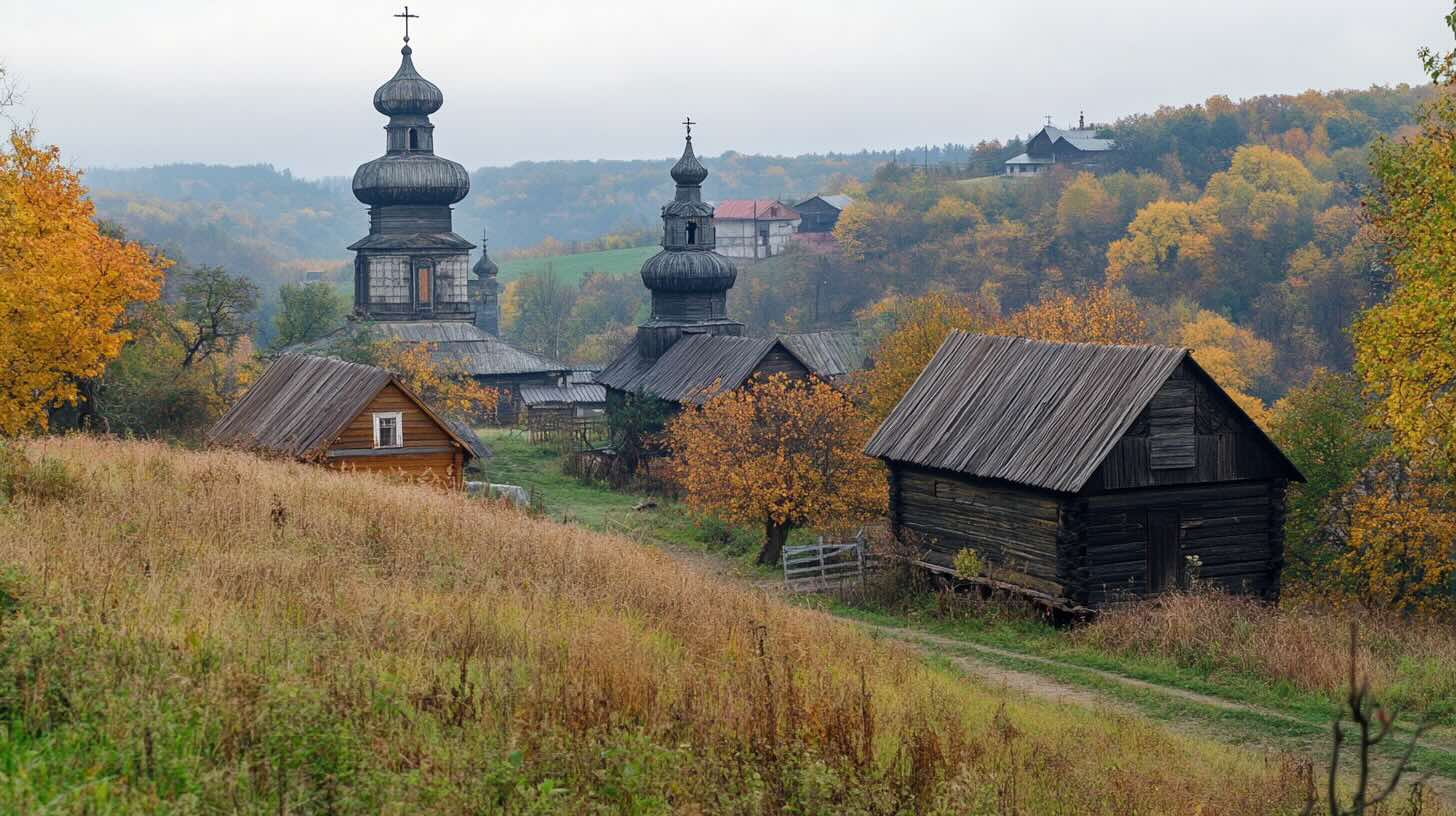
Ukraine has a well-developed internet infrastructure with extensive fiber-optic networks and numerous providers. Thousands of Internet Service Providers operate in Ukraine, from national telecoms to small local companies. In fact, over 4,200 ISPs were registered as of August 2024​ interfax.com, reflecting a highly competitive market. The largest providers hold relatively small market shares – for example, Kyivstar’s network leads with about 19% of the market, followed by Vodafone Ukraine with ~9% and Lifecell with ~5%​ pulse.internetsociety.org. The state-run Ukrtelecom and various regional fiber operators also serve significant user bases, but no single company dominates nationally​ pulse.internetsociety.org. This diverse provider landscape has kept internet access competitive and affordable for consumers, with the Internet Society rating Ukraine’s ISP market competitiveness as “excellent”​ pulse.internetsociety.org.
24 February 2025
1 3 4 5
Go toTop