Browse Category

Meteor Showers News 30 July 2025 - 10 August 2025

Epic Skywatch Alert (Aug 10–11, 2025): Perseid Meteor Shower Peaks under Bright Moon – Plus Venus & Jupiter’s Dazzling Conjunction

Epic Skywatch Alert (Aug 10–11, 2025): Perseid Meteor Shower Peaks under Bright Moon – Plus Venus & Jupiter’s Dazzling Conjunction

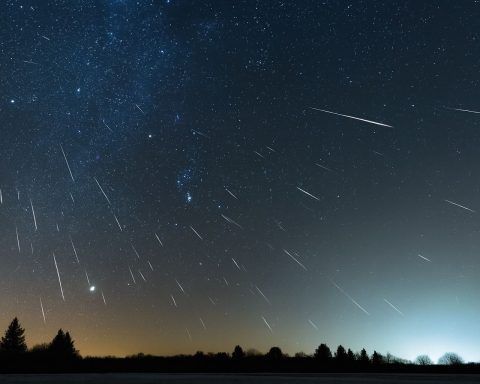
The Perseid Meteor Shower peaks on the night of August 11–12, 2025, under a waning gibbous Moon about 84% illuminated, with expected meteor rates of 10–20 per hour in bright conditions despite the usual 50–100 per hour under dark skies. Venus–Jupiter conjunction occurs August 11–12, 2025, with the two planets separated by about 0.5°–1°, Venus at magnitude −4 and Jupiter…
10 August 2025
Cosmic Triple-Feature: Meteor Shower, Double Planet Show & Aurora Hopes on Aug 6–7, 2025

Cosmic Triple-Feature: Meteor Shower, Double Planet Show & Aurora Hopes on Aug 6–7, 2025

The Perseid meteor shower ramps up on August 6–7, 2025, with about 10–20 meteors per hour after local midnight under dark skies despite a bright Moon at roughly 95–99% full. The August full Moon on August 9, 2025 is called the Sturgeon Moon, and its brightness washes out faint meteors during early Perseid activity. The Eta Eridanids are expected to…
Skywatch Alert: Meteors, Auroras & a Planetary Spectacle on Aug 5–6, 2025

Skywatch Alert: Meteors, Auroras & a Planetary Spectacle on Aug 5–6, 2025

The Perseid meteor shower is already ramping up for Aug 5–6, 2025, with an expected 10–20 meteors per hour under dark skies after midnight. Perseids are famous for fireballs, producing bright meteors that can blaze through moonlight despite lunar glare. The full Sturgeon Moon occurs on Aug 9, and the peak nights Aug 11–13 will have 84–90% moonlight, washing out…
Eyes to the Skies August 2–3, 2025: Meteor Showers, Auroras, and Planets Put on a Show

Eyes to the Skies August 2–3, 2025: Meteor Showers, Auroras, and Planets Put on a Show

During the Aug 2–3 predawn hours under dark skies at mid-northern latitudes, observers could see about 20 meteors per hour as the Perseids rise. The Moon is in first-quarter and will set in the early morning, washing out fainter Perseids and potentially reducing observed rates by about 75% near the maximum. Delta Aquariids are tapering after their July 30 peak…
Sky Show Spectacular: Twin Meteor Showers, Planet Parade & Aurora Hints (July 31–Aug 1, 2025)

Sky Show Spectacular: Twin Meteor Showers, Planet Parade & Aurora Hints (July 31–Aug 1, 2025)

Delta Aquariids peak on the nights of July 30–31 with rates up to 15–20 meteors per hour in the Southern Hemisphere and fewer than 10 per hour from mid-northern latitudes, under a slender 25–30% lit Moon that sets early. Alpha Capricornids peak around July 30–31, averaging 2–5 meteors per hour, but delivering slow, bright fireballs that can rival Venus in…
31 July 2025
December 2025 Skywatch Alerts: Geminids Meteor Storm, Rare Planetary Sights & Auroras Galore

December 2025 Skywatch Alerts: Geminids Meteor Storm, Rare Planetary Sights & Auroras Galore

The Geminid meteor shower peaks overnight on December 13–14, 2025, with as many as 100–150 meteors per hour under dark skies, originating from asteroid 3200 Phaethon. The Ursid meteor shower peaks around December 21–22, 2025, near 11:00 UTC, typically producing 5–10 meteors per hour under dark skies thanks to a new Moon on December 20. Mercury reaches its greatest western…
30 July 2025
Don’t Miss These Skywatch Wonders in October 2025

Don’t Miss These Skywatch Wonders in October 2025

The Draconid meteor shower peaks around October 8, 2025, but a full Moon on October 6–7 will wash out most meteors, making outbursts of hundreds to thousands per hour unlikely, and its parent comet is 21P/Giacobini-Zinner. The Orionids peak on the nights of October 21–22, 2025, producing about 20 meteors per hour under dark skies from Halley’s Comet debris, with…
30 July 2025
All Eyes on the Skies: September 2025 Celestial Spectacles (Meteor Showers, Eclipses & More)

All Eyes on the Skies: September 2025 Celestial Spectacles (Meteor Showers, Eclipses & More)

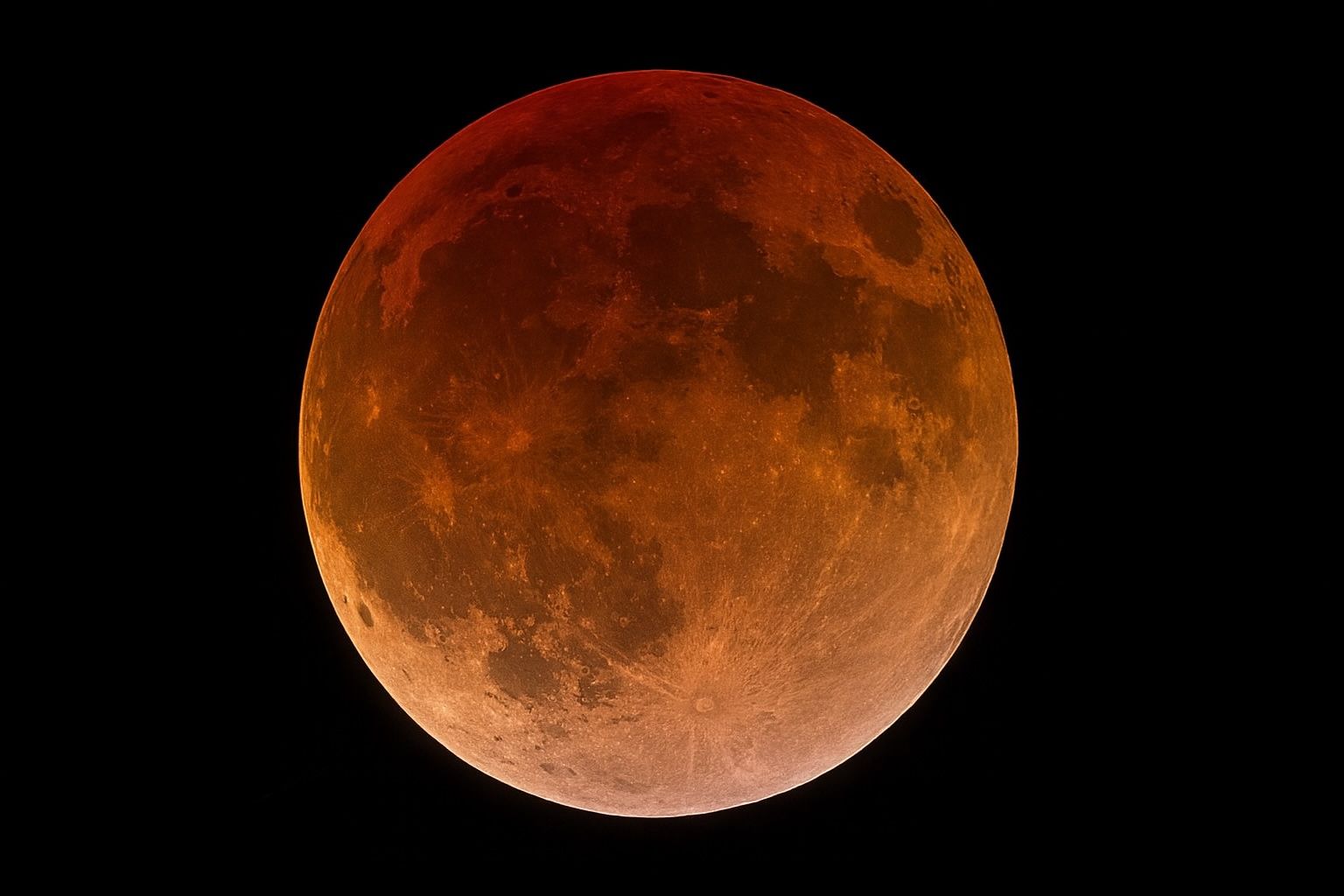
September 7, 2025 features a total lunar eclipse (Blood Moon) with about 83 minutes of totality, visible across Antarctica, Australia, Asia, the western Pacific and Africa, peaking around 18:11 UTC. A deep partial solar eclipse on September 21, 2025 reaches about 85% coverage, with maximum at 19:41 UTC and best views from New Zealand and nearby open-ocean regions between NZ…
1 4 5 6 7

Stock Market Today

  • Figma Focuses on AI and Collaboration Amid Share Price Decline
    January 28, 2026, 6:48 AM EST. Figma (NYSE:FIG) faces a sharp share price drop since its debut, trading around $28.46, nearly 49% below analyst targets. Despite this, the company is intensifying efforts on AI-driven features and collaboration tools to differentiate itself from traditional software rivals. It reports strong revenue retention and ongoing customer engagement, positioning itself as a key player in design and product development software. Figma remains unprofitable with a negative price-to-earnings ratio (P/E) of -15.2, flagged as overvalued by some estimates. Investors are watching its progress toward profitability and adoption of AI features amid sector debates on AI's impact. The company's strategy highlights challenges in balancing innovation with financial performance in a competitive market.
Go toTop