Today: 10 June 2026
Browse Category

Meteor Showers 30 July 2025 - 13 August 2025

Don’t Miss the Cosmic Show: Perseid Meteors, Planetary Duet & Auroras (Aug 13–14, 2025)

Don’t Miss the Cosmic Show: Perseid Meteors, Planetary Duet & Auroras (Aug 13–14, 2025)

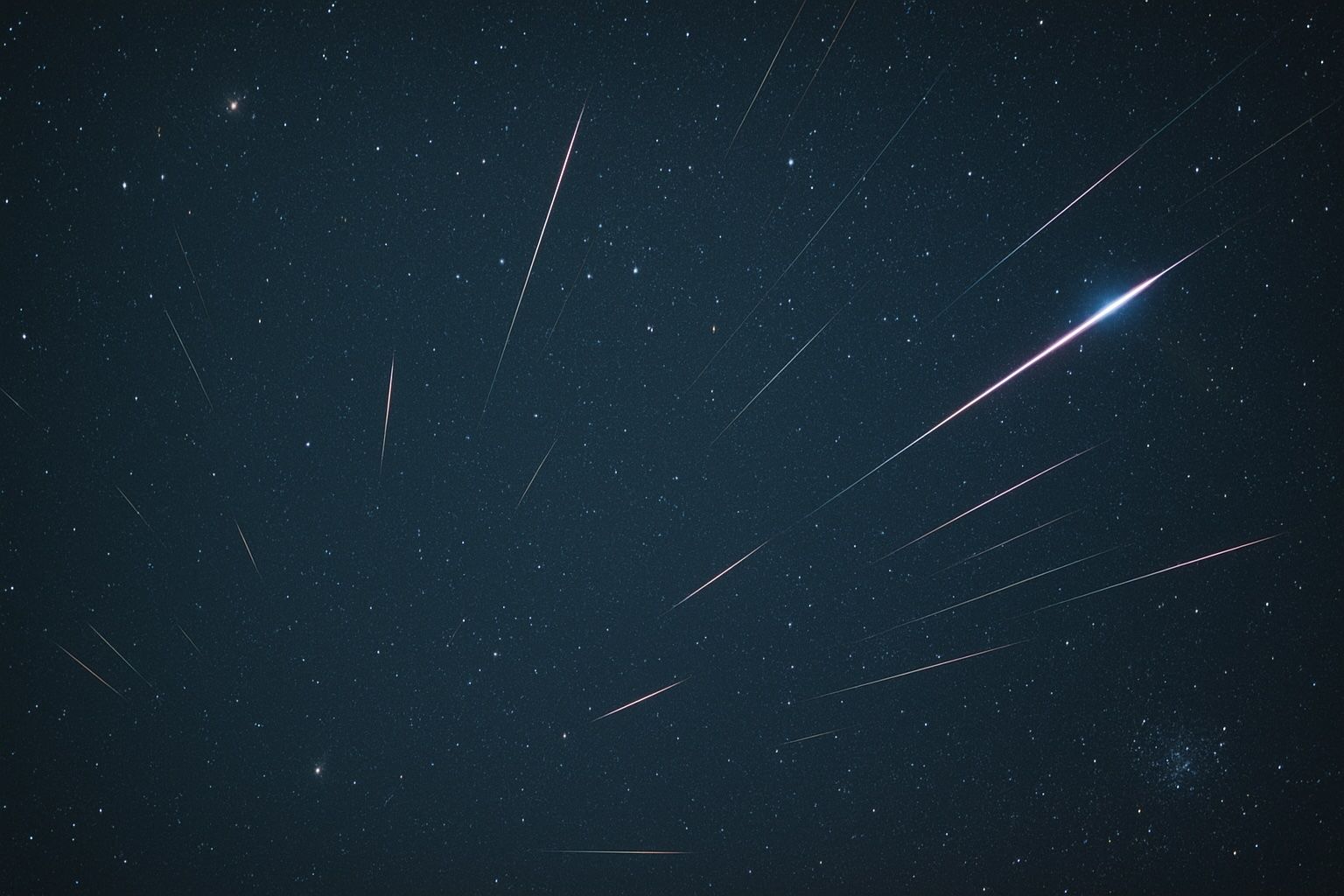
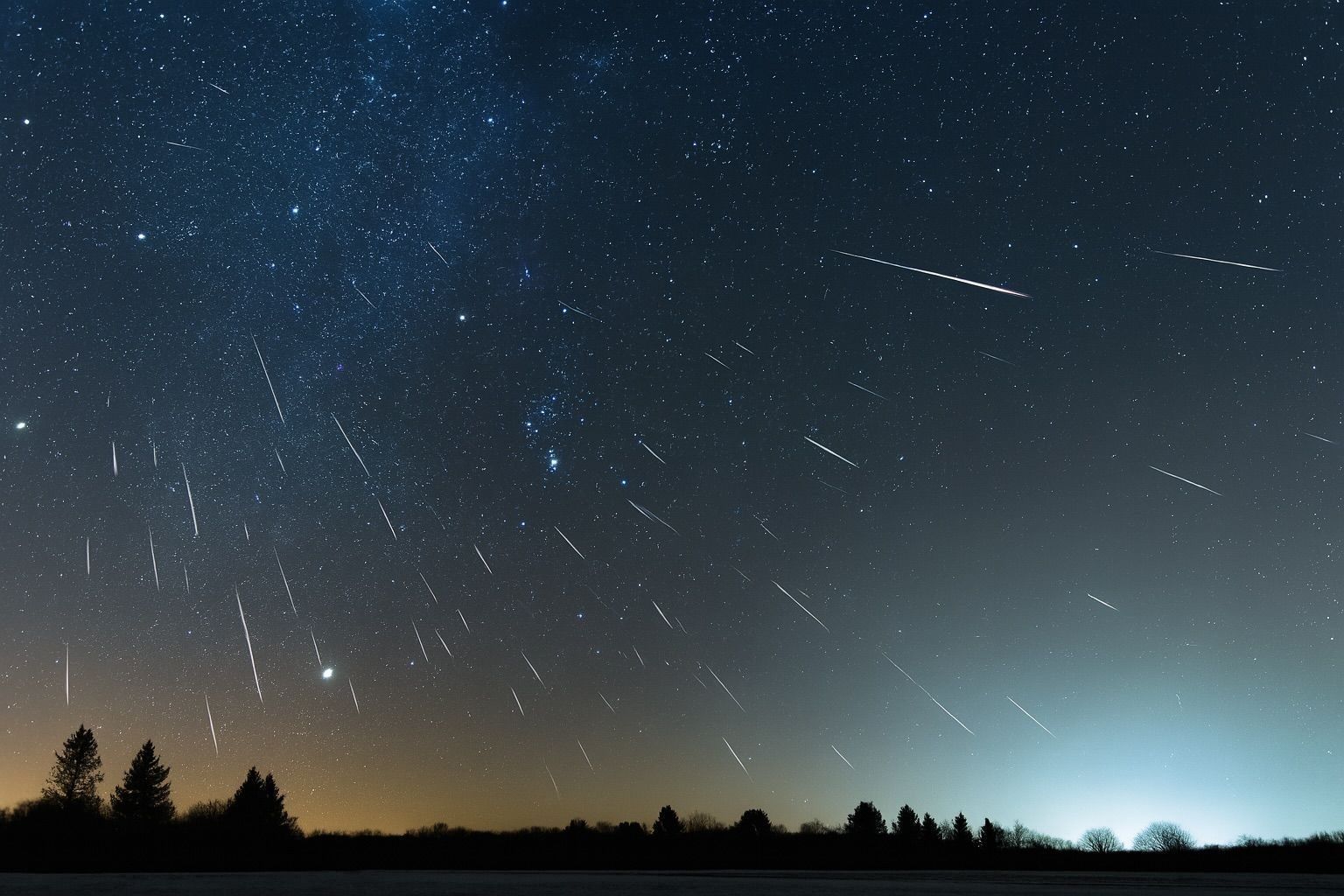
The Perseid meteor shower peaks August 12–13, 2025, but a bright Moon at 84% full will cut visible meteors to about 10–20 per hour. NASA recommends viewing between midnight and 4 a.m. local time. A G2 geomagnetic storm on August 8–9 brought auroras to northern U.S. states, but as of August 13–14, Earth's magnetic field is quiet and auroras are limited to far northern regions. Venus and Jupiter appeared in close conjunction before dawn August 12–13.
13 August 2025
Spectacular Sky Show on Aug 12–13, 2025: Perseid Meteors, Planetary “Kiss” & More

Spectacular Sky Show on Aug 12–13, 2025: Perseid Meteors, Planetary “Kiss” & More

The Perseid meteor shower peaks overnight August 12–13, 2025, with 10–20 meteors per hour expected under an 84% full moon. Venus and Jupiter will appear about 1° apart before dawn on August 12, with their closest approach on August 11–12. Six planets will be visible above the horizon at some point during August 12–13, but Mercury will not be visible. No major geomagnetic storms are forecast, and the ISS may have visible passes.
12 August 2025
Dazzling Meteor Shower Peaks Tonight – Your Skywatch Guide for August 11–12, 2025

Dazzling Meteor Shower Peaks Tonight – Your Skywatch Guide for August 11–12, 2025

The Perseid meteor shower peaks August 11–12, but an 84% full Moon will reduce visible meteors to 10–20 per hour. Venus and Jupiter form a close conjunction before dawn, while Saturn rises by 10:30 p.m. and is visible all night. SpaceX launches 24 Starlink satellites at 10:05 p.m. EDT and 24 Amazon Kuiper satellites at 8:35 a.m. EDT on August 11 from Florida.
How to Watch the Perseid Meteor Shower 2025 – Peak Dates, Best Viewing Times, and Tips

How to Watch the Perseid Meteor Shower 2025 – Peak Dates, Best Viewing Times, and Tips

The Perseid meteor shower peaks August 12–13, 2025, with maximum activity around 02:30–03:00 UTC. A bright waning gibbous Moon at 83–84% illumination will cut visible rates to 10–20 meteors per hour. Best viewing is after midnight local time, with the radiant in Perseus. NASA and Sky & Telescope call the Perseids the "fireball champion," though moonlight will limit fainter meteors.
11 August 2025
Don’t Miss the 2025 Perseids: Ultimate Guide to Photographing August’s Meteor Shower

Don’t Miss the 2025 Perseids: Ultimate Guide to Photographing August’s Meteor Shower

The Perseid meteor shower peaks overnight August 12–13, 2025, with bright moonlight limiting visible meteors to about 10–20 per hour. Best viewing in North America and Europe is from midnight to dawn; in Asia and Australia, the peak is around 2:30 UTC on August 13. Observers are advised to seek dark skies away from city lights. Photographers should use wide-aperture lenses, long exposures, and continuous shooting for best results.
Epic Skywatch Alert (Aug 10–11, 2025): Perseid Meteor Shower Peaks under Bright Moon – Plus Venus & Jupiter’s Dazzling Conjunction

Epic Skywatch Alert (Aug 10–11, 2025): Perseid Meteor Shower Peaks under Bright Moon – Plus Venus & Jupiter’s Dazzling Conjunction

The Perseid Meteor Shower peaks August 11–12, 2025, but moonlight limits visible meteors to 10–20 per hour. Venus and Jupiter appear in close conjunction before dawn on the same dates. SpaceX launched a Starlink mission August 10, with more launches and the Ariane 6 debut expected August 11–13. A moderate geomagnetic storm on August 9 increased aurora chances at high latitudes.
10 August 2025
August 2025 Skywatch Alerts: Meteor Showers, Planetary Parades & Celestial Surprises

August 2025’s Meteor Shower Spectacle: Perseids vs. Bright Moon & Other Shooting Star Shows

The Perseid meteor shower peaks August 12–13, 2025, but moonlight from an 84% illuminated waning gibbous will limit rates to 10–20 meteors per hour. The Virtual Telescope Project will livestream the event on August 12 at 21:00 UTC. Other showers, including the Delta Aquariids and Alpha Capricornids, also reach peak activity in late July and early August. Venus and Jupiter will appear in conjunction before dawn on August 11–12.
9 August 2025
Skywatch Alert: Perseid Meteors, Sturgeon Moon & Venus-Jupiter Conjunction Dazzle Aug 9–10, 2025

Skywatch Alert: Perseid Meteors, Sturgeon Moon & Venus-Jupiter Conjunction Dazzle Aug 9–10, 2025

A full Sturgeon Moon dominates the sky on August 9, 2025, coinciding with the active Perseid meteor shower, which peaks August 12–13 with up to 100 meteors per hour possible under dark skies. Venus and Jupiter appear close together before dawn August 9–12, while SpaceX plans Starlink launches on August 9 and 10, potentially creating visible satellite trains after sunset. Saturn rises late evening and is high by dawn.
9 August 2025
Cosmic Triple-Feature: Meteor Shower, Double Planet Show & Aurora Hopes on Aug 6–7, 2025

Cosmic Triple-Feature: Meteor Shower, Double Planet Show & Aurora Hopes on Aug 6–7, 2025

The Perseid meteor shower intensifies August 6–7, 2025, with 10–20 meteors per hour after midnight, though a nearly full Moon will reduce visibility. Venus and Jupiter appear 6° apart at dawn, both bright, with a close conjunction expected August 11–12. Saturn and Neptune reach conjunction on August 6, while the ISS will be visible over North America and Europe. NOAA forecasts no geomagnetic storms in early August.
6 August 2025
Skywatch Alert: Meteors, Auroras & a Planetary Spectacle on Aug 5–6, 2025

Skywatch Alert: Meteors, Auroras & a Planetary Spectacle on Aug 5–6, 2025

The Perseid meteor shower will produce 10–20 meteors per hour after midnight on August 5–6, 2025, under dark skies. Venus and Jupiter appear 7–8° apart before sunrise, with their closest pairing around August 11–12. The full Sturgeon Moon on August 9 will brighten the sky, reducing meteor visibility during the peak. Saturn and Neptune align on August 6, visible together through a telescope.
5 August 2025
Planets Align, Meteors Fly, and Auroras? Skywatching Wonders on August 4–5, 2025

Planets Align, Meteors Fly, and Auroras? Skywatching Wonders on August 4–5, 2025

The Perseid meteor shower peaks August 11–13, but a full Sturgeon Moon on August 9 will reduce visible meteors to the brightest fireballs. On August 4–5, a waxing gibbous Moon allows a brief dark window before dawn, with 10–20 meteors per hour possible. Venus and Jupiter rise together before sunrise on August 4–5, about 7–8 degrees apart. The International Space Station will be visible after dusk in early August over parts of North America and Europe.
4 August 2025
Eyes to the Skies August 2–3, 2025: Meteor Showers, Auroras, and Planets Put on a Show

Eyes to the Skies August 2–3, 2025: Meteor Showers, Auroras, and Planets Put on a Show

About 20 Perseid meteors per hour are visible before dawn Aug 2–3 at mid-northern latitudes, though a first-quarter Moon will set in the early morning and reduce rates by up to 75%. Venus and Jupiter appear together in the eastern sky at dawn, separated by 9 degrees. Saturn and Neptune rise together and are visible in the same telescopic field. Titan’s shadow transits Saturn on Aug 3, viewable from North America.
2 August 2025
Sky Show Spectacular: Twin Meteor Showers, Planet Parade & Aurora Hints (July 31–Aug 1, 2025)

Sky Show Spectacular: Twin Meteor Showers, Planet Parade & Aurora Hints (July 31–Aug 1, 2025)

Delta Aquariids and Alpha Capricornids meteor showers peak July 30–31, with up to 20 meteors per hour visible in the Southern Hemisphere and fewer in the north under a 30% crescent Moon. The Moon sets early, leaving dark skies for viewing. A five-planet lineup appears before dawn July 31–Aug 1. SpaceX Starlink and NASA Crew-11 launches are set for July 31, with Crew-11 targeting the ISS.
31 July 2025
Don’t Miss These Skywatch Wonders in October 2025

Don’t Miss These Skywatch Wonders in October 2025

A full Harvest Supermoon peaks on October 6, 2025, washing out most Draconid meteors during their October 8 maximum. The Orionids peak October 21–22 with about 20 meteors per hour and a near-new Moon aiding visibility. Saturn and Jupiter remain prominent, with Venus bright before dawn. Comet C/2025 A6 Lemmon may brighten to magnitude 8 by late October.
30 July 2025
All Eyes on the Skies: September 2025 Celestial Spectacles (Meteor Showers, Eclipses & More)

All Eyes on the Skies: September 2025 Celestial Spectacles (Meteor Showers, Eclipses & More)

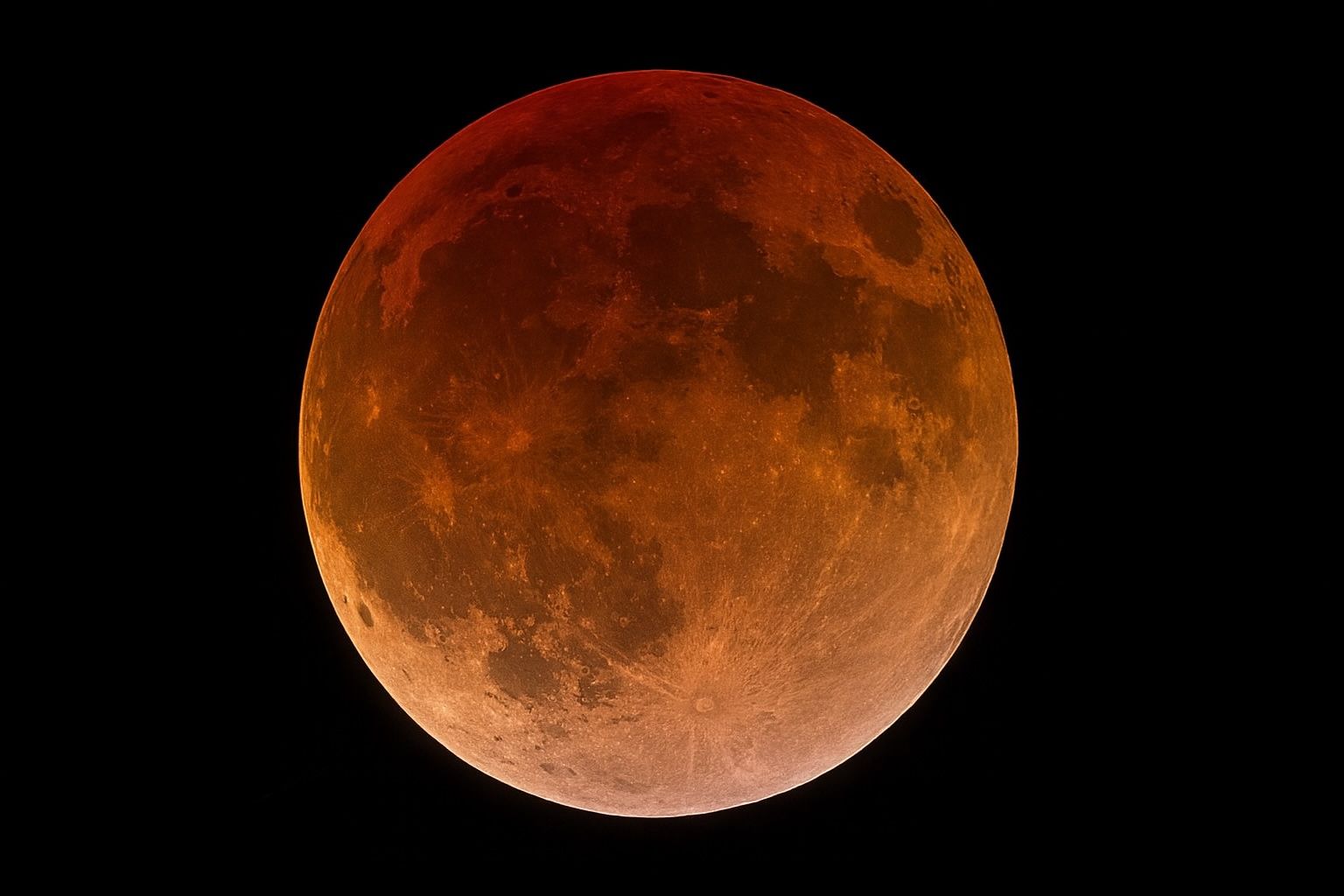
A total lunar eclipse on September 7, 2025, will last about 83 minutes, visible from Antarctica, Australia, Asia, the western Pacific, and Africa. A deep partial solar eclipse follows on September 21, peaking at 85% coverage near New Zealand. Venus is occulted by the Moon on September 19, visible from parts of Africa, Europe, Asia, and eastern Canada. Saturn and Neptune both reach opposition in late September.
30 July 2025
August 2025 Skywatch Alerts: Meteor Showers, Planetary Parades & Celestial Surprises

August 2025 Skywatch Alerts: Meteor Showers, Planetary Parades & Celestial Surprises

The Perseid meteor shower peaks August 11–12, with up to 100 meteors per hour possible, but a bright Moon will obscure many. A rare six-planet alignment occurs at dawn August 10, with Mercury, Venus, Jupiter, and Saturn visible to the naked eye. Venus and Jupiter appear just 0.8 degrees apart before sunrise August 12. No eclipses occur in August; the next total lunar eclipse is September 7, 2025.
30 July 2025
Spectacular Skywatching Alert: Twin Meteor Showers, Dazzling Planets & More on July 30–31, 2025

Spectacular Skywatching Alert: Twin Meteor Showers, Dazzling Planets & More on July 30–31, 2025

The Southern Delta Aquariids and Alpha Capricornids meteor showers peak July 29–31, 2025, with dark skies and a 27% illuminated Moon aiding visibility. Southern Delta Aquariids may produce 15–20 meteors per hour. Venus and Jupiter are visible in the pre-dawn sky, nearing conjunction in August. The ISS will make multiple evening passes, including two over Los Angeles on July 28.
30 July 2025

Stock Market Today

  • SpaceX Pre-IPO Market Drops 27% Ahead of Historic Listing
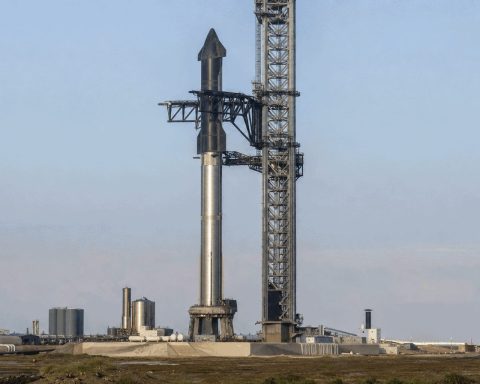
    June 10, 2026, 3:52 AM EDT. SpaceX's pre-IPO market linked derivative, SPCX, fell 27% over three weeks, trading near $157 on Wednesday down from $216 in mid-May. The product, a 5x-leverage perpetual contract on Hyperliquid, reflects a reduced implied premium for SpaceX's IPO, which is priced at $135 per share. Initially at a 60% premium, the contract now prices the company closer to a 16% premium, indicating cautious trader sentiment despite strong investor interest. SpaceX's fixed-price IPO, seeking $75 billion from over $250 billion in demand, lacks the usual dynamic pricing mechanism, leaving derivatives like SPCX to track market expectations. Broader market weakness and crypto jitters also weigh on derivatives, though traders still anticipate a premium at listing.

Latest articles

Nasdaq Sees More Moves After Hours Following U.S. Strike on Iran

Nasdaq Sees More Moves After Hours Following U.S. Strike on Iran

10 June 2026
U.S. stock futures fell after hours and oil rose as U.S. strikes on Iran fueled risk-off sentiment, deepening losses in tech shares and raising investor caution ahead of Wednesday’s key inflation report, with fears of Fed rate hikes and volatility from the upcoming SpaceX IPO adding pressure.
Keel Slides After $458 Million AI Data-Center Debt Deal Launch

Keel Slides After $458 Million AI Data-Center Debt Deal Launch

10 June 2026
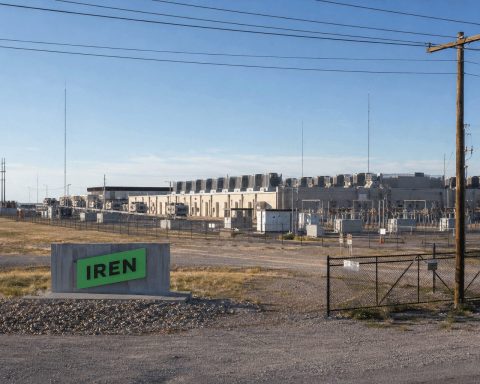
Keel Infrastructure shares plunged 4.24% to $5.42 after closing a $458 million convertible debt sale, reviving investor fears of future dilution even as the company boosts funding for AI-focused data-center projects; shares slipped further to $5.32 after hours on more than double average volume, reflecting concerns over execution risks and the impact of new financing.
Super Micro sinks after $7B AI server plan; dilution a risk

Super Micro sinks after $7B AI server plan; dilution a risk

10 June 2026
Super Micro Computer plans to raise $7 billion through equity and equity-linked financing to fund soaring AI server orders, sending shares down about 9% in after-hours trading as investors focused on dilution risk; the company reported $39 billion in recent AI server orders, but noted these are not firm commitments and cited ongoing legal and regulatory risks.
American Airlines Stock Rises on Google Fuel Deal, Market Watches for Fuel Shock

American Airlines Stock Rises on Google Fuel Deal, Market Watches for Fuel Shock

10 June 2026
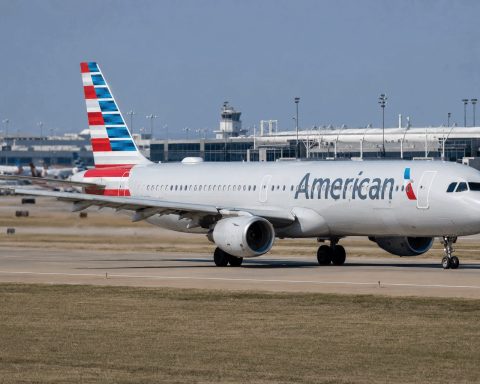
American Airlines surged to $14.09, up 48.5 cents, after announcing a three-year sustainable aviation fuel deal with Google covering 35 million gallons, as investors focused on surging fuel costs that jumped 78% in April to $6.5 billion; the stock rose in line with airline peers amid a drop in crude prices, while American’s 2026 outlook remains pressured by higher fuel expenses and a narrowed profit forecast.
Nokia Drops 7% After Nvidia 6G Chatter Hits AI Stocks

Nokia Drops 7% After Nvidia 6G Chatter Hits AI Stocks

10 June 2026
Nokia shares plunged 6.99% to 11.970 euros in Helsinki after reports of Nvidia’s push into future mobile-network tech raised fears over Nokia’s AI-driven growth story, with investors questioning whether Nokia can maintain its edge as competition intensifies and its forward P/E more than doubles this year.
Go toTop