
Connected Malaysia 2025: A Complete Guide to Fiber, Mobile, Satellite & Public Internet Access
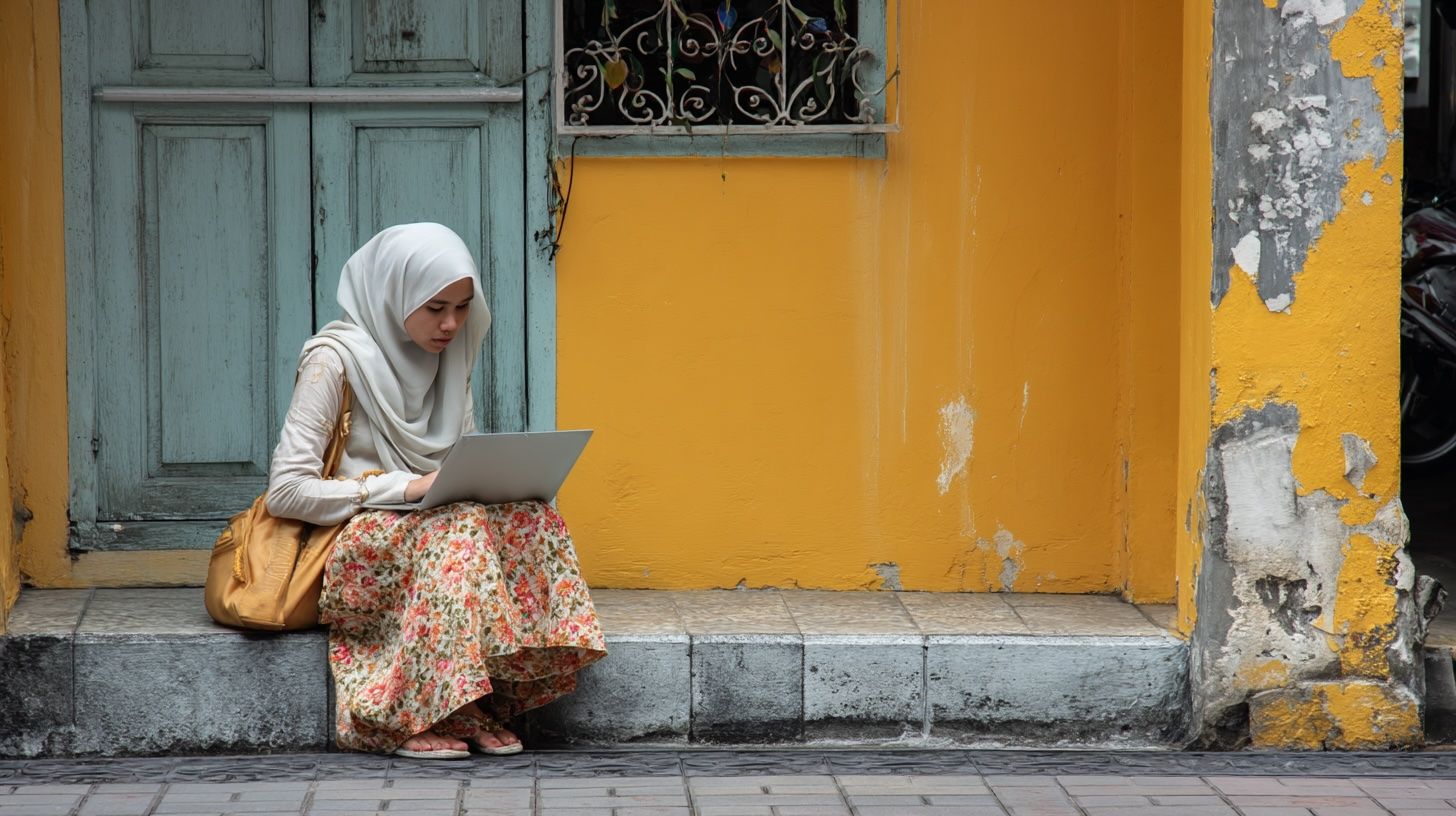
Malaysia enjoys high internet penetration and modern digital infrastructure. As of 2022, about 97% of individuals in Malaysia were internet users freedomhouse.org, with nearly 96.9% of populated areas covered by 4G mobile service freedomhouse.org. Internet access has become nearly ubiquitous in cities and towns, driven by widespread mobile broadband adoption and expanding fiber-optic networks. The government’s Jalinan Digital Negarainitiative has been a key driver of improvements – Phase 1 exceeded targets by extending 4G to ~97% population coverage and fiber-optic broadband to 7.74 million premises soyacincau.com. Under JENDELA Phase 2, Malaysia is investing further in digital infrastructure to reach the remaining underserved areas, aiming for 100% internet coverage in populated areas by end of 2025 soyacincau.com malaymail.com. Overall, Malaysia’s connectivity ecosystem is robust and continually improving, making it one of Southeast Asia’s more digitally connected nations.
Company hubMYX:MEASAT
MEASAT (MEASAT) Stock News & Analysis
Follow the latest MEASAT (MEASAT) company news, earnings coverage and investor analysis from TechStock².
Save this hub to your TS2 Signalbook account.
- Latest update
- Articles in this hub
- 1
- Last 30 days
- 0
What investors are watching
- Earnings, guidance and financial performance
- Valuation, trading activity and market sentiment
- Strategy, catalysts and company-specific risks
TechStock² Updates