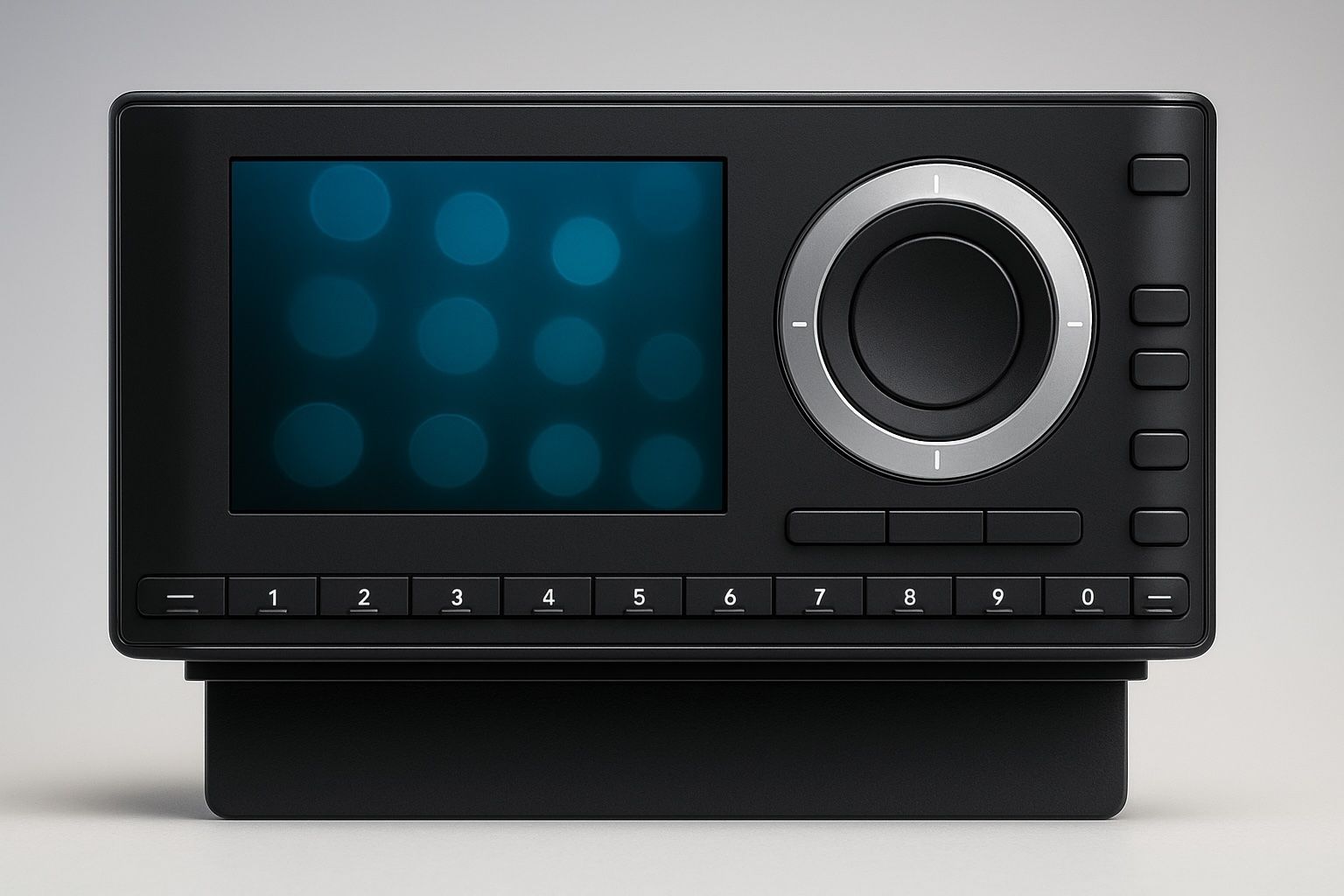

Satellite Radio Revolution: 14 Things You Need to Know About Its History, Technology, and Future
Satellite radio is a form of digital radio broadcast that transmits audio signals from satellites orbiting the Earth, enabling coverage across vast areas with high clarity britannica.com. Unlike traditional AM/FM radio confined to local transmitters, satellite radio beams content directly from space to receivers via geostationary satellites. This allows a listener to maintain the same channel coast-to-coast, which is especially useful for drivers traveling long distances. The service is usually offered on a subscription model, providing hundreds of channels—music, news, sports, talk—often in near-CD quality sound britannica.com. Because it is subscription-funded, many music channels are commercial-free, offering an experience akin to premium cable TV but for radio. Overall, satellite radio promises greater variety, consistency, and reach than conventional terrestrial radio, making it a unique niche in the audio landscape.
TechStock² Updates