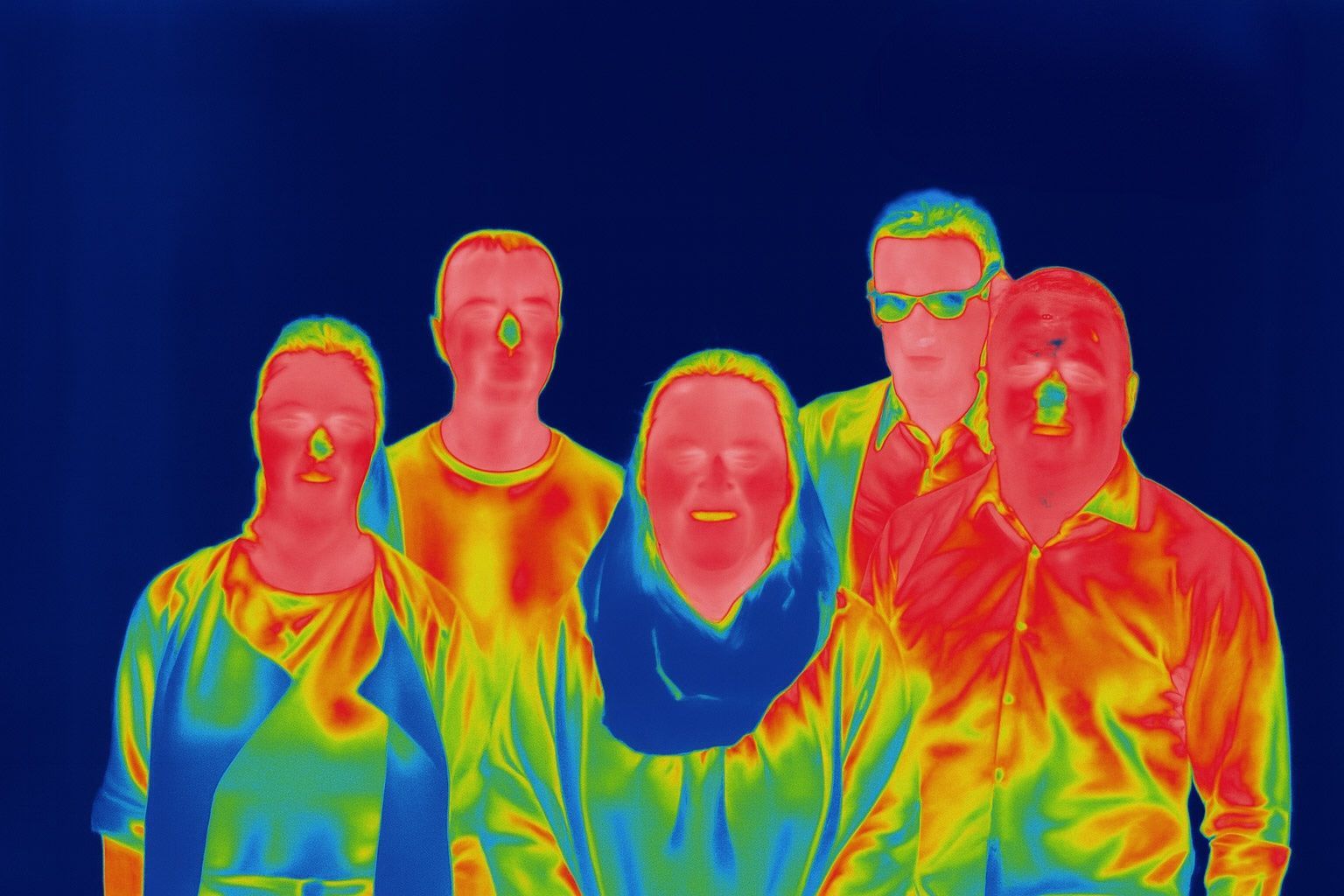

Thermal imaging has burst out of the shadows of niche military use and into the mainstream in 2025. From smartphones with built-in heat sensors to cars that see in the dark, the latest thermal vision devices are hotter than ever – and a wave of even more advanced models is expected in 2026. Thermal cameras work by detecting infrared radiation instead of visible light, allowing users to visualize temperature differences. This capability is invaluable for everything from finding humans or animals in darkness to spotting electrical hot spots or hidden fire embers. The global market is “red hot” and growing rapidly as more brands jump in and prices gradually fall, though high-end gear can still cost a premium shotshow.org sdmmag.com. Once users experience the power of “heat vision,” many say it’s hard to go back shotshow.org. This report provides an in-depth comparison of the latest thermal vision tech across all major categories – consumer gadgets, industrial cameras, military and tactical systems, drone-mounted sensors, vehicle night vision, and helmet- or weapon-mounted optics. We’ll examine key features, real-world performance, use cases, pricing, and expert insights for each category, highlighting notable devices launched in 2025 and what to expect in 2026. By the