Browse Category

Technology News 16 April 2025 - 30 May 2025

Internet Access in Andorra: From Mountain Signals to Starlink Skies

Internet Access in Andorra: From Mountain Signals to Starlink Skies

By 2012 Andorra completed nationwide Fiber-to-the-Home rollout, wiring 100% of homes with fiber and establishing internet as a universal service delivering at least 100 Mbps. Copper ADSL networks were fully decommissioned by 2016. Andorra Telecom is the sole ISP and 100% government‑owned, delivering fixed broadband, mobile services, landlines, and TV across the country. Andorra’s mobile network provides 4G LTE coverage over about 98% of the territory, with 5G launched in December 2021 in Non-Standalone mode and a goal of 99% population coverage by end-2022 and a full Standalone core by 2025. Residential fiber plans include Fiber 300 (300 Mbps symmetric)

Internet Access in Algeria

Internet Access in Algeria

As of early 2024, Algeria had about 33.5 million internet users, roughly 72.9% of the population. By January 2025, internet penetration rose to about 76.9% of the population. There were over 50 million mobile subscriptions in 2024, often exceeding the population due to multiple SIMs per user. By early 2023 Algeria had 5.12 million fixed internet subscribers, up from 3.5 million in 2020, a 45% increase and making it the second-highest in Africa and third in the Arab world. In 2023 fixed broadband penetration was about 12 subscriptions per 100 people. By April 2025 Algérie Télécom reported over 2 million
State of Internet Access in Albania: From Fiber Optics to Satellite Signals

State of Internet Access in Albania: From Fiber Optics to Satellite Signals

83% of the population aged 16–74 uses the internet regularly, and about 96.7% of households have some form of internet access. As of 2023, about 90.4% of Albanian households have fixed broadband access, up from 58% in 2019. In the late 2010s, DSL accounted for around 39% of connections while FTTH/B totaled about 31%, and today fiber is expanding with gigabit plans up to 1 Gbps in urban areas such as those marketed by Vodafone Albania after acquiring Abcom. About 90% of fixed-line subscriptions are in urban zones, with rural share around 10%, and urban fixed broadband penetration was roughly
10 Gbps in Paradise: Inside Seychelles’ High-Speed Internet Revolution (and the Satellite Showdown)

10 Gbps in Paradise: Inside Seychelles’ High-Speed Internet Revolution (and the Satellite Showdown)

The Seychelles East Africa System (SEAS) became Seychelles’ first major undersea cable, linking the islands to continental Africa in the early 2010s and ending reliance on satellites. In August 2021, Intelvision secured support to lease a branch of the 2Africa submarine cable, enabling 600 Gbps of international capacity and added redundancy. Cable & Wireless Seychelles (CWS) began a nationwide Fibre-to-the-Home rollout in 2017, aiming to replace all copper lines with fiber by 2020. By late 2024, Cable & Wireless Seychelles launched “GigaNet,” Africa’s first 10 Gbps broadband service, using 50G-PON technology. International bandwidth available to Seychelles’ ISPs grew from about
State of Internet Access in Mexico: The Digital Divide, Ground and Sky

State of Internet Access in Mexico: The Digital Divide, Ground and Sky

As of early 2024, Mexico had over 107 million internet users, about 83% of the population. Fixed broadband is increasingly fiber-based, with around 70% of fixed connections using fiber (FTTH) and Telmex migrating about 85% of its broadband customers from DSL to fiber. Red Compartida, launched in 2018 by Altán Redes, reached 95.3% of the population by June 2024, exceeding its 92.2% target. CFE TEIT started in 2022 and had installed 91,000 free Wi‑Fi access points nationwide by early 2024. Mexico’s mobile market reached 125.4 million active mobile lines by early 2024, about 97% of the population. 5G rollout progressed
The Shocking Truth Behind Chile’s Internet Boom: 96% Connected (and Counting)

The Shocking Truth Behind Chile’s Internet Boom: 96% Connected (and Counting)

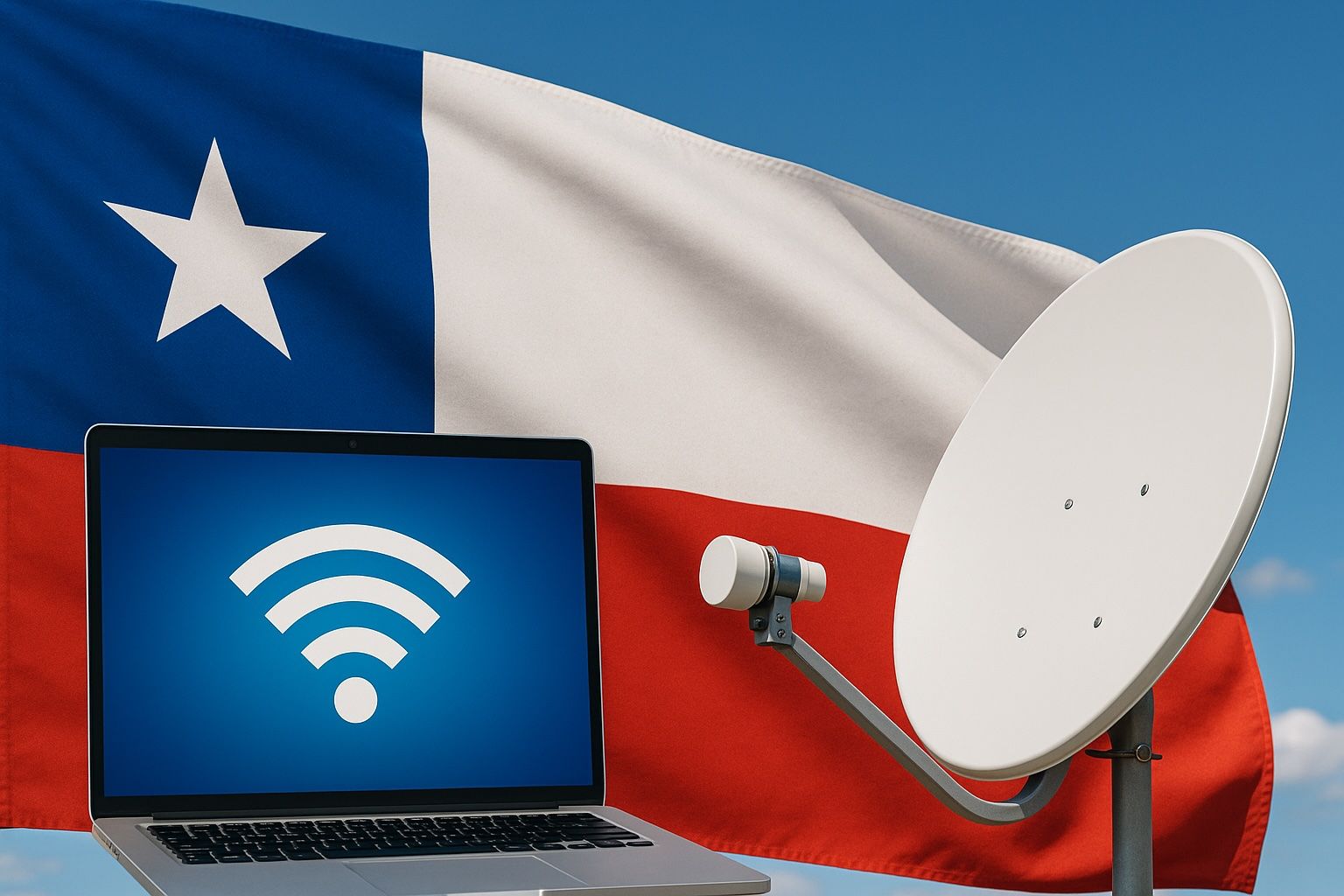
As of early 2024, 96.5% of Chilean households have internet access, up from about 70.2% in 2015. Fixed broadband subscriptions reached 4.52 million in 2023, or 22.6 per 100 inhabitants. As of late 2023, nearly 70% of fixed connections are fiber-optic (FTTH/B), with copper DSL largely replaced. 96.8% of urban households and 94.5% of rural households have internet access, narrowing the urban–rural gap to about 2 percentage points. Chile launched 5G in December 2021, and by late 2024 there were over 5.3 million 5G users, with roughly 40% of mobile subscriptions 5G-capable. Starlink commands about 58% of Chile’s satellite internet
29 May 2025
Inside Nicaragua’s Digital Frontier: The Truth About Internet Access and Satellite Connectivity

Inside Nicaragua’s Digital Frontier: The Truth About Internet Access and Satellite Connectivity

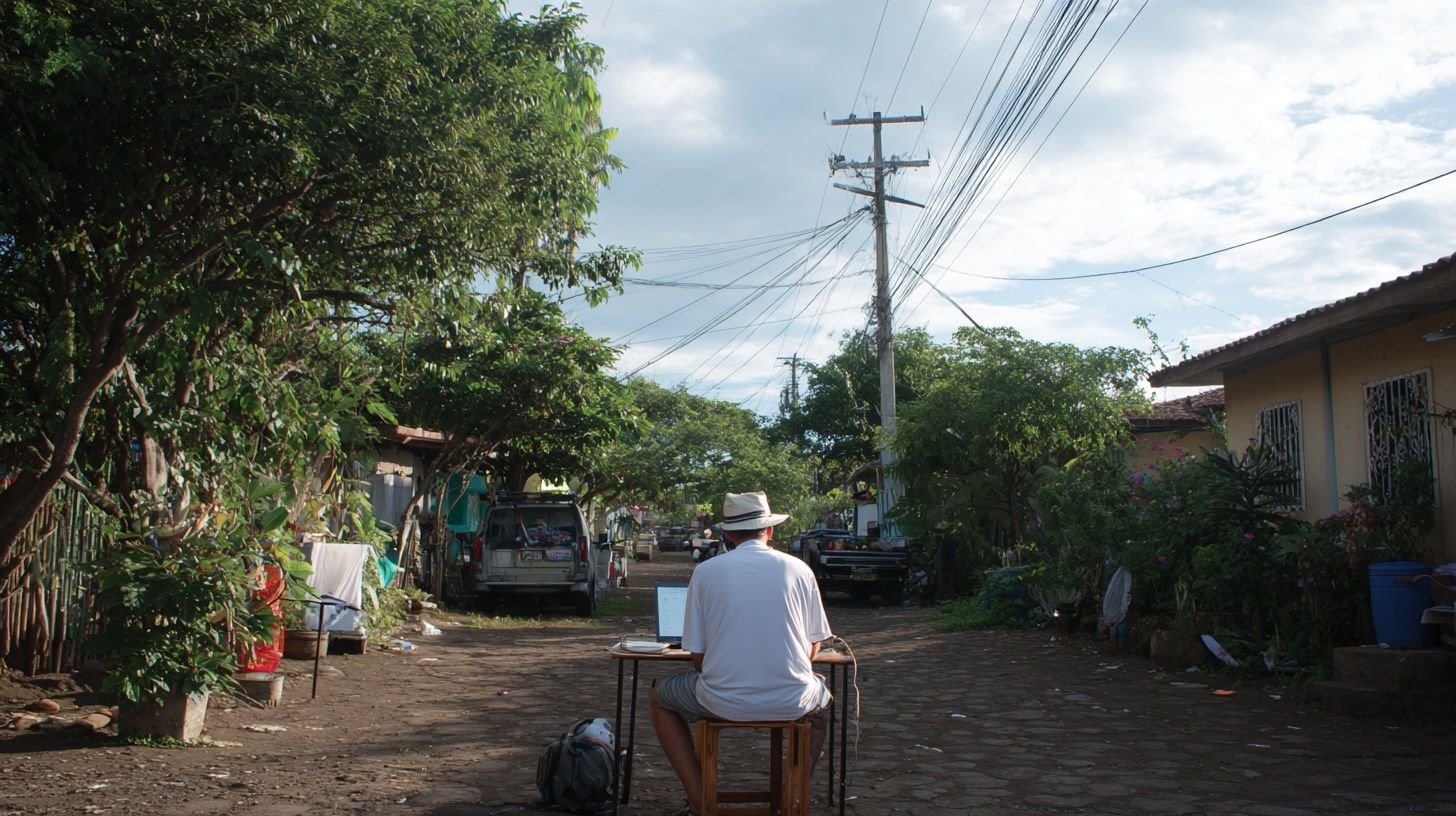
As of early 2025 Nicaragua had 8.71 million mobile connections, about 125% of the population, with more than 95% of lines capable of 3G/4G broadband. In January 2025, 4.47 million Nicaraguans used the internet, equal to 64.1% of the population. There were about 371,000 fixed broadband subscriptions in 2023, 5.43 per 100 people, with most lines in urban areas and fixed access below 6% nationwide. Since 2023 the government has activated free public Wi‑Fi hotspots in 25 parks, managed by TELCOR and municipalities. By 2023 about 87.4% of the population had 4G coverage and over 94% had 3G coverage, though
Connecting the Unconnected: The State of Internet Access in the Central African Republic

Connecting the Unconnected: The State of Internet Access in the Central African Republic

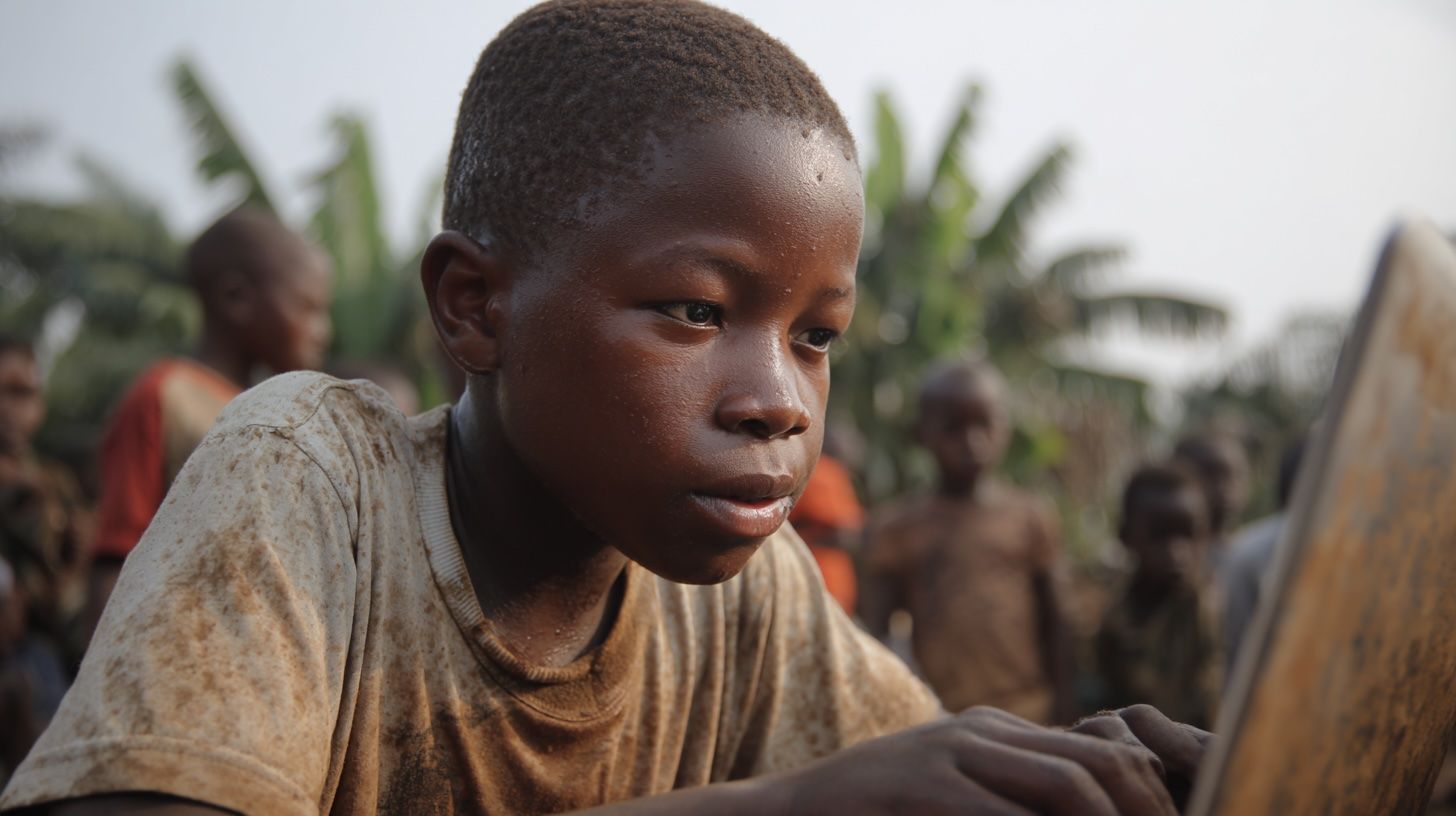
As of January 2024, CAR had 616,600 internet users, 10.6% internet penetration, and about 89% of the population remained offline. In 2024 there were 1.86 million active cellular mobile connections, equating to a 32.0% mobile penetration. About 56% of Central Africans live in rural areas, with only around 14% of households having electricity. The Central African Backbone fiber project delivered a ~900 km national backbone with 11 PoPs, completed in 2023, linking Bangui to Cameroon and the Republic of Congo, and it spawned a Digital Training Center in Bangui (opened 2023) and the Central African Digital Development Agency. Orange Centrafrique
Internet Access in the Philippines: A Comprehensive Report

Internet Access in the Philippines: A Comprehensive Report

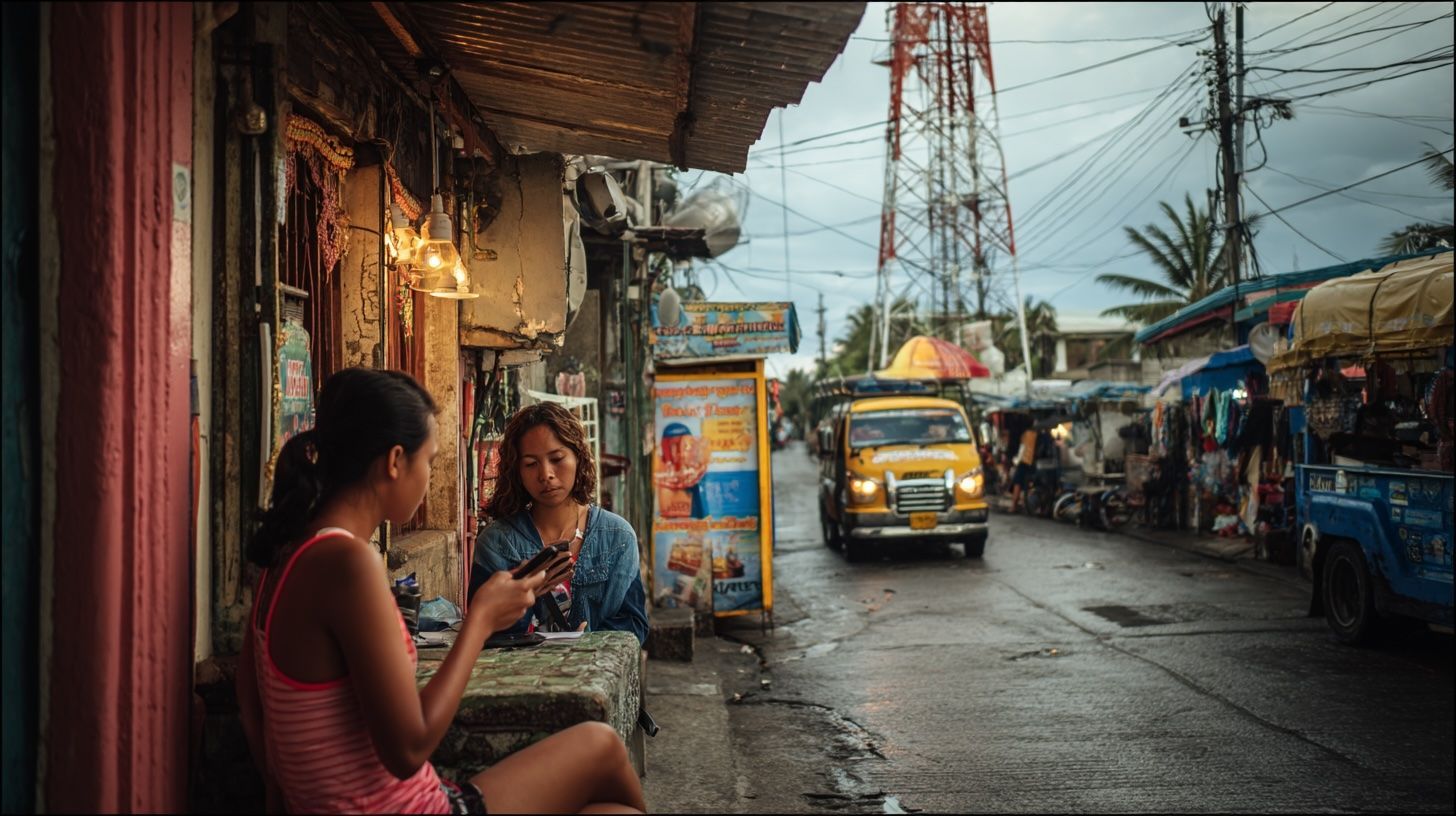
As of early 2025, about 97.5 million Filipinos used the internet, representing 83.8% of the population. The Philippines is an archipelago of more than 7,600 islands, which makes laying fiber and building cell towers across distant areas difficult and costly. Mobile SIM penetration stood at about 123% by end-2024, with around 120+ million mobile subscriptions in late 2024. Around 16% of Filipinos were still offline at the start of 2025, roughly 18–19 million people, due to access and affordability gaps. Fixed broadband total subscribers in 2024 were about 7 million, with fiber-based services dominating urban areas and Metro Manila having
Kuala Lumpur’s Lightning-Fast Internet: Blazing Speeds or Overhyped Connection?

Kuala Lumpur’s Lightning-Fast Internet: Blazing Speeds or Overhyped Connection?

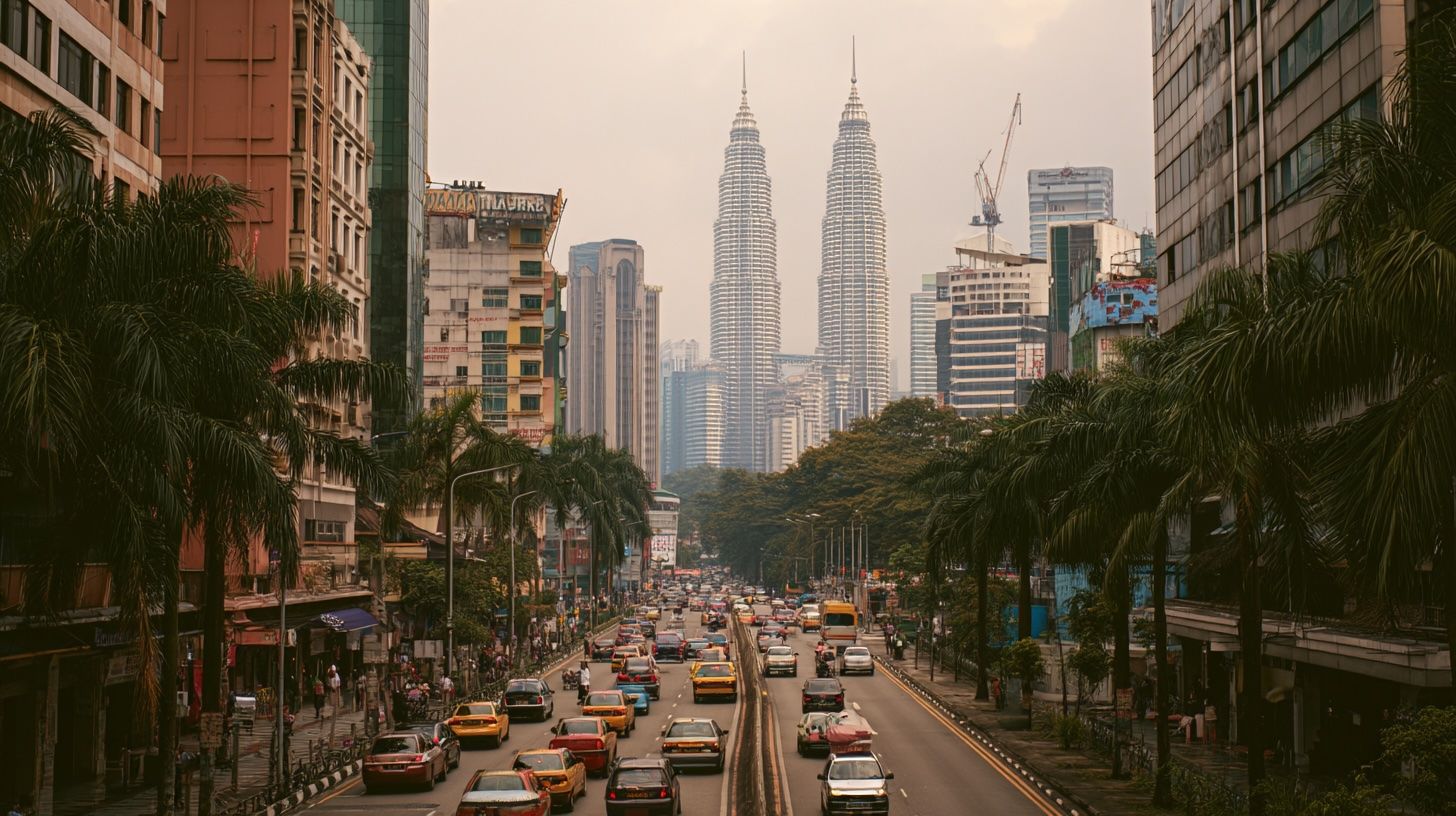
Malaysia’s internet penetration exceeds 97% of the population, with mobile subscriptions around 130%. Fiber broadband in Kuala Lumpur is widely available, dominated by Telekom Malaysia’s Unifi, with TIME dotCom, Maxis, and CelcomDigi as major players; TIME offers symmetrical speeds up to 1 Gbps in many high-rise residences. By early 2024, about 3.32 million of Malaysia’s 4.19 million premises had been fiberized under the JENDELA program, with Kuala Lumpur a focal point of the upgrades. 4G coverage is essentially universal in KL (about 97–98%), while 5G coverage exceeded 80% nationwide by end-2023 and is strong in the city center. 5G rollout
15 May 2025
Connected Malaysia 2025: A Complete Guide to Fiber, Mobile, Satellite & Public Internet Access

Connected Malaysia 2025: A Complete Guide to Fiber, Mobile, Satellite & Public Internet Access

JENDELA (Jalinan Digital Negara) runs 2020–2025 and, by 2022 Phase 1 exceeded targets with 4G reaching about 97% of the population and fiber broadband deployed to 7.74 million premises, with Phase 2 targeting 100% population coverage in populated areas by end-2025. 4G coverage is about 97% of populated areas, with roughly 3% in geographies where access remains difficult, particularly in remote Sabah and Sarawak. Starlink Malaysia received a 10-year license in 2023, became commercially available mid-2023, with a monthly RM220 service, hardware kits priced around RM2,300 (standard) or RM11,000 (enterprise), delivering up to about 100 Mbps down and 20–40 ms
Maldives’ Internet Revolution: From Remote Atolls to a 5G-Powered Paradise

Maldives’ Internet Revolution: From Remote Atolls to a 5G-Powered Paradise

Dhiraagu (Dhivehi Raajjeyge Gulhun) was established in 1988 as the Maldives’ first telecom operator and former state monopoly. By 2000, basic telephone service had reached all inhabited islands and dial-up internet was available nationwide. In 2003 Focus Infocom received a second ISP license, and in 2005 Wataniya (Ooredoo Maldives) entered mobile service, ending Dhiraagu’s 17‑year monopoly. The Maldives’ telecom market is a duopoly dominated by Dhiraagu and Ooredoo, with Dhiraagu posting about MVR 2.8 billion revenue in 2019 and Ooredoo about MVR 2.03 billion, and Dhiraagu is 52% owned by Batelco and roughly 42% by the Maldivian government. 2G service

Stock Market Today

Go toTop