PEM vs Alkaline vs Solid Oxide Electrolyzers: The 2025 Hydrogen Technology Showdown
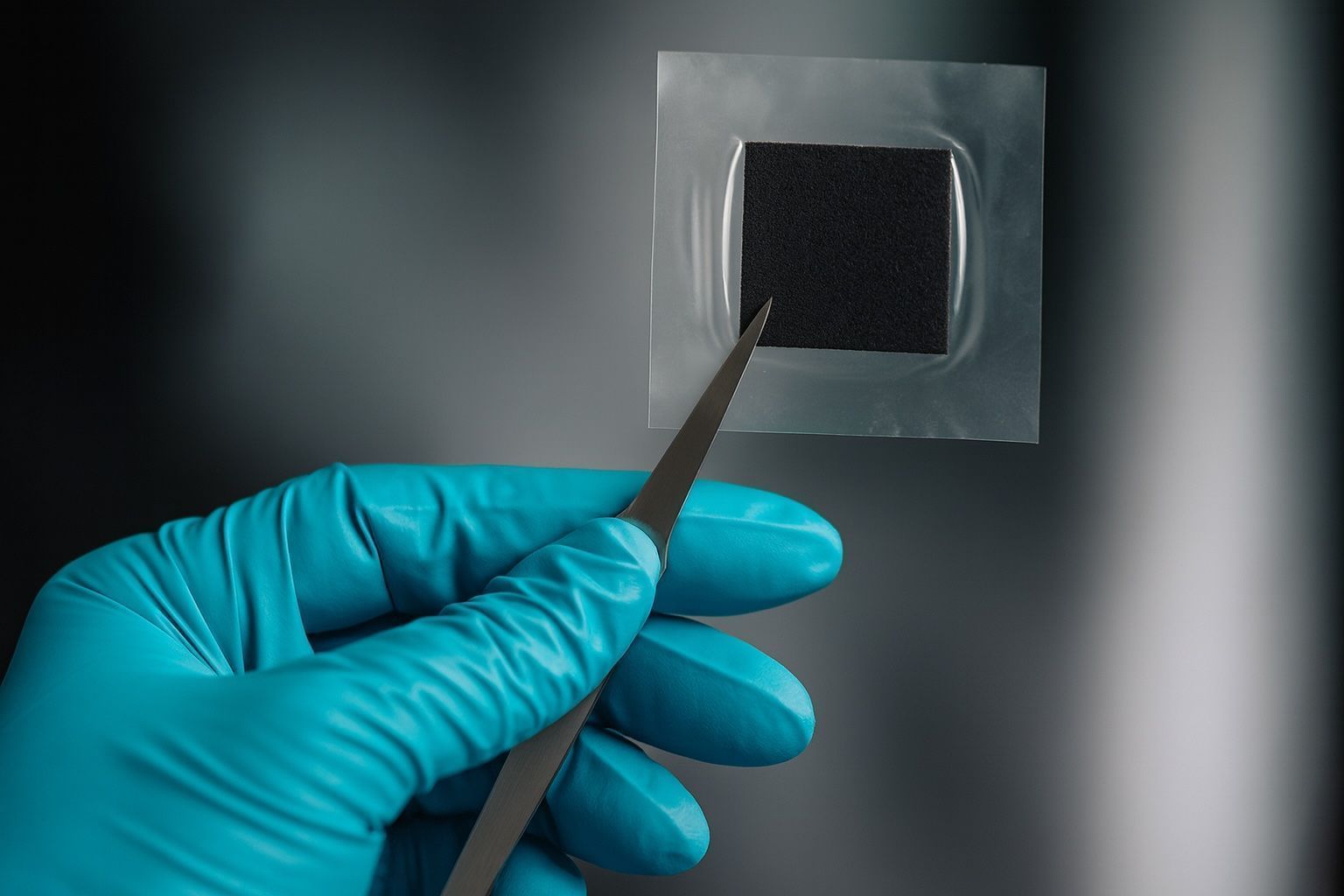
Hydrogen electrolyzers are at the heart of the green hydrogen revolution. In this comprehensive comparison, we explore the three leading water electrolysis technologies – Proton Exchange Membrane, Alkaline, and Solid Oxide electrolyzers – highlighting how each works, their efficiency, costs, durability, and latest developments as of 2024–2025. We’ll also look at which technologies suit intermittent renewables, who the market leaders are, new innovations on the horizon, environmental considerations, and what experts are saying about the future of these electrolyzers.
Company hubXETRA:TKA
TKA (TKA) Stock News & Analysis
Follow the latest TKA (TKA) company news, earnings coverage and investor analysis from TechStock².
Save this hub to your TS2 Signalbook account.
- Latest update
- Articles in this hub
- 1
- Last 30 days
- 0
What investors are watching
- Earnings, guidance and financial performance
- Valuation, trading activity and market sentiment
- Strategy, catalysts and company-specific risks
TechStock² Updates