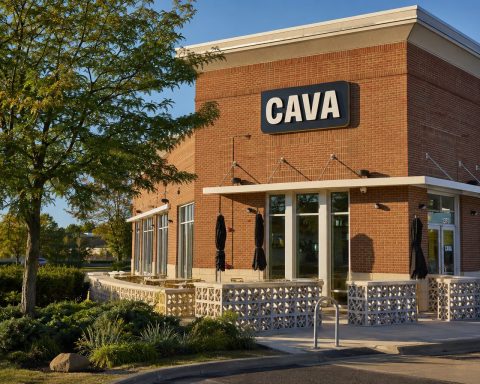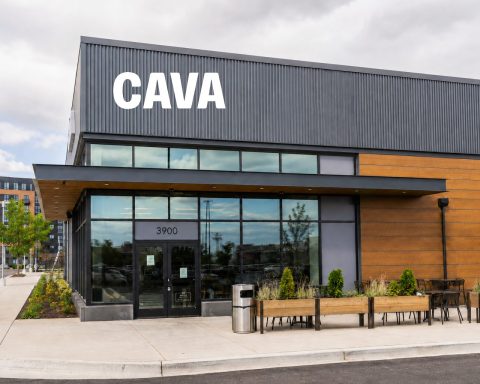

Cava Group NYSE:CAVA is ending November on a tense note. The Mediterranean fast‑casual chain that became one of 2023’s hottest IPOs is now grappling with slowing growth, a painful share‑price reset, and a market suddenly skeptical of “bowl‑based” fast casual.
As of mid‑afternoon trading on Monday, November 24, 2025, CAVA stock is changing hands around $46.80, down roughly 4% on the day. That puts the stock only a few dollars above its 52‑week low near $43, and almost 70% below its 52‑week high around $153, underscoring how brutal the past year has been for shareholders.
Yet under the surface, Cava’s fundamental story is more nuanced than a simple “crash and burn.” Growth is still strong at the top line, restaurant economics remain robust, and analysts remain cautiously optimistic—even as same‑restaurant sales growth cools and the valuation re-rates.
Key Takeaways on CAVA Stock Today
- Price: About $46–47 per share this afternoon, down roughly 4% today and far below last year’s highs.
- 52‑Week Range: Approximately $43.41–$153.34, with shares trading close to the bottom of that range.
- Volatility: The stock surged roughly 12% on Friday, Nov. 21, after investors cheered better‑than‑feared news and upbeat commentary, but has since given back part of those gains.
- Q3 2025 Results: Revenue grew about 20% year over year to roughly $290 million, but Cava missed EPS expectations by $0.01 and trimmed its 2025 same‑restaurant sales outlook.
- Growth vs. Valuation: Cava still posts strong unit economics and rapid expansion, but trades at around 40x trailing earnings—a steep premium to the restaurant group despite the big sell‑off.
CAVA Stock Price Today: Near the Bottom of the Range
CAVA stock’s slide today continues a volatile month for the name. Around $46.80 per share, the company’s market capitalization sits near $5.5 billion.
For context:
- 52‑week high: About $153.34
- 52‑week low: About $43.41 Yahoo Finance+1
From that peak near $153 to today’s mid‑$40s, Cava’s stock has lost close to 70% of its value, and multiple sources estimate that shares are down roughly two‑thirds over the last 12 months.
The path down hasn’t been smooth. After plunging on its Q3 report in early November, CAVA:
- Tumbled sharply as investors reacted to slowing same‑restaurant sales and lowered guidance.
- Rallied double digits on Friday, November 21, on renewed optimism around the long‑term growth story and strong unit economics.
- Is now pulling back again today as traders digest the bigger picture: a great brand, but one facing a tougher consumer and a still‑rich valuation.
What Cava Reported in Q3 2025
Cava’s third‑quarter 2025 results, released on November 4, show a business that is still growing fast—but with momentum clearly cooling.
Headline Numbers
According to Cava’s official earnings release and subsequent summaries:
- Revenue: About $289.8–292 million, up ~20% year over year.
- EPS:$0.12, missing analyst estimates of $0.13 by $0.01.
- Same‑restaurant sales (comps): Up just 1.9%, with traffic roughly flat.
- Restaurant‑level profit margin: A healthy 24.6%, supporting the long‑term unit‑growth thesis.
Top‑line growth is still strong, driven mostly by new restaurant openings. Cava opened 17 net new restaurants in Q3, bringing its total footprint to 415 locations, a roughly 18% increase in store count versus a year ago.
Guidance Cut: Slower Comps Ahead
The real sting for the stock came from guidance. Management lowered its full‑year 2025 same‑restaurant sales outlook after the Q3 release:
- New guidance calls for 3–4% same‑restaurant sales growth for 2025, down from a prior forecast of 4–6%.
- The company cited flat traffic, particularly among 25‑to‑34‑year‑old diners, and a more cautious consumer who is spacing out restaurant visits rather than trading down.
For a stock that had been priced like a hyper‑growth story, this combination—a small EPS miss, slowing comps, and a guidance cut—was enough to trigger another wave of selling.
Why the Market Turned on CAVA
1. Growth Is Still Strong, But It’s Changing Shape
Cava is still growing fast at the system level:
- Revenue is up around 20% year over year, powered by new units.
- Cava’s average unit volume (AUV) is roughly $2.9 million per restaurant, nearly on par with industry giants like Chipotle on a per‑store basis.
But the mix of growth has shifted:
- In 2024, Cava delivered double‑digit same‑store sales growth, often led by traffic.
- In Q3 2025, comps slowed to 1.9%, driven mostly by pricing and product mix, with traffic flat.
This trend worries investors because unit expansion is easier to maintain when existing stores are also growing robustly. Slower comps make every new restaurant more important—and raise the stakes if consumer tastes shift again.
2. The Fast‑Casual “Bowl” Category Is Cooling
Cava isn’t alone. The broader fast‑casual “build‑your‑bowl” category is showing signs of fatigue:
- Analysts have noted similar slowing comps at Chipotle and Sweetgreen, with some commentary about “bowl fatigue” as guests react to higher prices and seek variety. Finviz+1
For Cava, that translates into:
- Flat traffic among the core 25–34 age cohort, as some younger diners cook at home or reduce frequency instead of trading down.
- Stronger momentum among lower‑income guests, helped by Cava’s decision to keep price increases below the broader industry over the last several years.
The market is asking a hard question: Is this a temporary macro issue, or is the “bowl” format losing long‑term appeal?
3. A Premium Valuation Is Being Re‑Rated
At the IPO and in early 2024, Cava traded at eye‑watering multiples:
- Some data sources show Cava’s trailing P/E at well over 100x earnings at prior peaks.
Today, with:
- TTM EPS around $1.16, and
- A share price in the mid‑$40s,
CAVA trades at roughly 40x trailing earnings, based on various aggregator estimates.
That’s still a premium vs. the restaurant industry median P/E in the low‑20s, but much lower than where CAVA traded a year ago.
When growth expectations cool—even slightly—stocks with lofty multiples tend to re‑rate violently, and that’s largely what the last 12 months have been about.
Under the Hood: Cava’s Fundamentals Remain Impressive
Despite the stock’s dramatic fall, Cava’s operating story remains compelling.
Strong Unit Economics
Cava’s Q3 report highlights a restaurant model that still looks enviable: Cava Group Investor Relations+1
- Restaurant‑level margin: 24.6%
- AUV: About $2.9 million
- New restaurant cohort: 2025 openings are trending above $3 million in AUV with strong productivity.
Those metrics explain why Cava believes the U.S. can support at least 1,000 locations by 2032, up from the 400‑plus restaurants it now operates after milestones like the downtown Detroit opening earlier this fall.
Balance Sheet and Profitability
Recent data from stock‑analysis platforms show: StockAnalysis+2Seeking Alpha+2
- Revenue (TTM): Around $1.1 billion
- Net income (TTM): Roughly $130–140 million, reflecting solid profitability for a still‑early‑stage growth chain.
- Cash and debt: A manageable net position with flexibility to keep investing in growth.
In short, this is not a distressed company; it’s a profitable, growing restaurant chain whose stock is adjusting from “hype” pricing to something closer to reality.
Institutional and Analyst Support
Even as the share price has fallen, Cava continues to attract institutional attention:
- Nomura Asset Management recently raised its stake in CAVA, according to a late‑November filing recap.
On the sell‑side:
- Most covering analysts still rate the stock “Buy” or equivalent, though there is at least one “Underperform” rating, showing a growing divide in opinion. AInvest+1
- Aggregated 12‑month price targets generally cluster from the high‑$60s to low‑$80s, implying sizable upside from today’s mid‑$40s—if Cava can re‑accelerate comps and sustain margins.
- Stifel, for example, maintained a Buy rating recently but cut its price target from $125 to $100, reflecting more realistic near‑term expectations.
Is CAVA Stock a Buy, Sell, or Hold After Today’s Drop?
Only you can decide whether CAVA fits your risk tolerance and portfolio, but the bull and bear cases are fairly clear.
Bull Case: A Category‑Defining Brand on Sale
Supporters of Cava point to several positives:
- Category leader: Cava is widely described as a category‑defining Mediterranean fast‑casual brand, with strong brand recognition and a differentiated menu versus traditional burger and burrito chains.
- Durable unit economics: High restaurant‑level margins and $2.9 million AUVs suggest the model can throw off strong cash flow as the footprint scales.
- Long runway: Management still sees room for hundreds of additional restaurants in the U.S., with a formal target of roughly 1,000 locations by 2032.
- Valuation reset: A stock that’s down about two‑thirds from its highs with a P/E cut more than in half looks far more reasonable than it did a year ago, especially if earnings keep compounding.
For long‑term, growth‑oriented investors who believe Cava can reignite traffic and maintain its brand momentum, today’s levels may look like an attractive entry point—especially after the post‑earnings washout.
Bear Case: Slowing Comps, Rich Multiple, and Concept Risk
Skeptics focus on three main issues:
- Slowing same‑restaurant sales: Comps of 1.9% with flat traffic are a big step down from the double‑digit growth investors were underwriting just a year ago.
- Premium valuation remains: Even near 70% off its highs, CAVA still trades at a multiple well above restaurant peers, leaving limited margin of safety if growth disappoints again.
- Concept fatigue risk: Commentators have raised the possibility of “bowl fatigue” across the fast‑casual category, pointing to weak comps at other bowl‑centric brands and shifting consumer preferences. Finviz+2The Motley Fool+2
From this perspective, even after a big drop, Cava could still be a high‑risk stock that needs everything to go right—traffic, new units, margins, and the broader category—to justify its valuation.
What to Watch Next
For traders and long‑term investors alike, several catalysts could shape where CAVA stock goes from here:
- Q4 2025 and early 2026 comps: Any sign that same‑restaurant sales can move back toward mid‑single‑digit growth—or that traffic returns to positive territory—would likely be well received.
- Updated 2026 guidance: Management’s view on unit growth, margins, and pricing in a tougher consumer environment will be key.
- Consumer behavior data: Watch commentary on younger diners and frequency trends, both at Cava and peers like Chipotle and Sweetgreen.
- Competitive landscape: If the “bowl” category stabilizes—or if Cava proves more resilient than rivals—that could help re‑rate the stock higher. The Motley Fool+2Finviz+2
Bottom Line
On November 24, 2025, CAVA stock sits at the crossroads of two competing narratives:
- A profitable, expanding, category‑leading Mediterranean chain with strong unit economics and a long runway for growth.
- A former market darling whose stock price has crashed as growth expectations were dialed back and investors questioned the durability of the fast‑casual bowl trend.
Whether Cava is a bargain growth story or a still‑expensive concept stock depends on how you weigh those forces and your tolerance for volatility.
Either way, the data is clear: CAVA is no longer the untouchable high‑flyer it once was—but the story is far from over.
Disclaimer: This article is for informational and educational purposes only and does not constitute financial, investment, or trading advice. Always do your own research or consult a licensed financial professional before making investment decisions.