
New York, Jan 22, 2026, 20:46 EST — Market closed.
- Citigroup shares ended Thursday 1.6% higher at $115.66, outperforming a number of other major banks
- A report said Citi is considering new credit cards with a 10% interest rate as Washington reviews the nationwide cap
- Investors are eyeing enforcement details, progress on Capitol Hill, and the Fed’s policy meeting set for Jan. 27-28
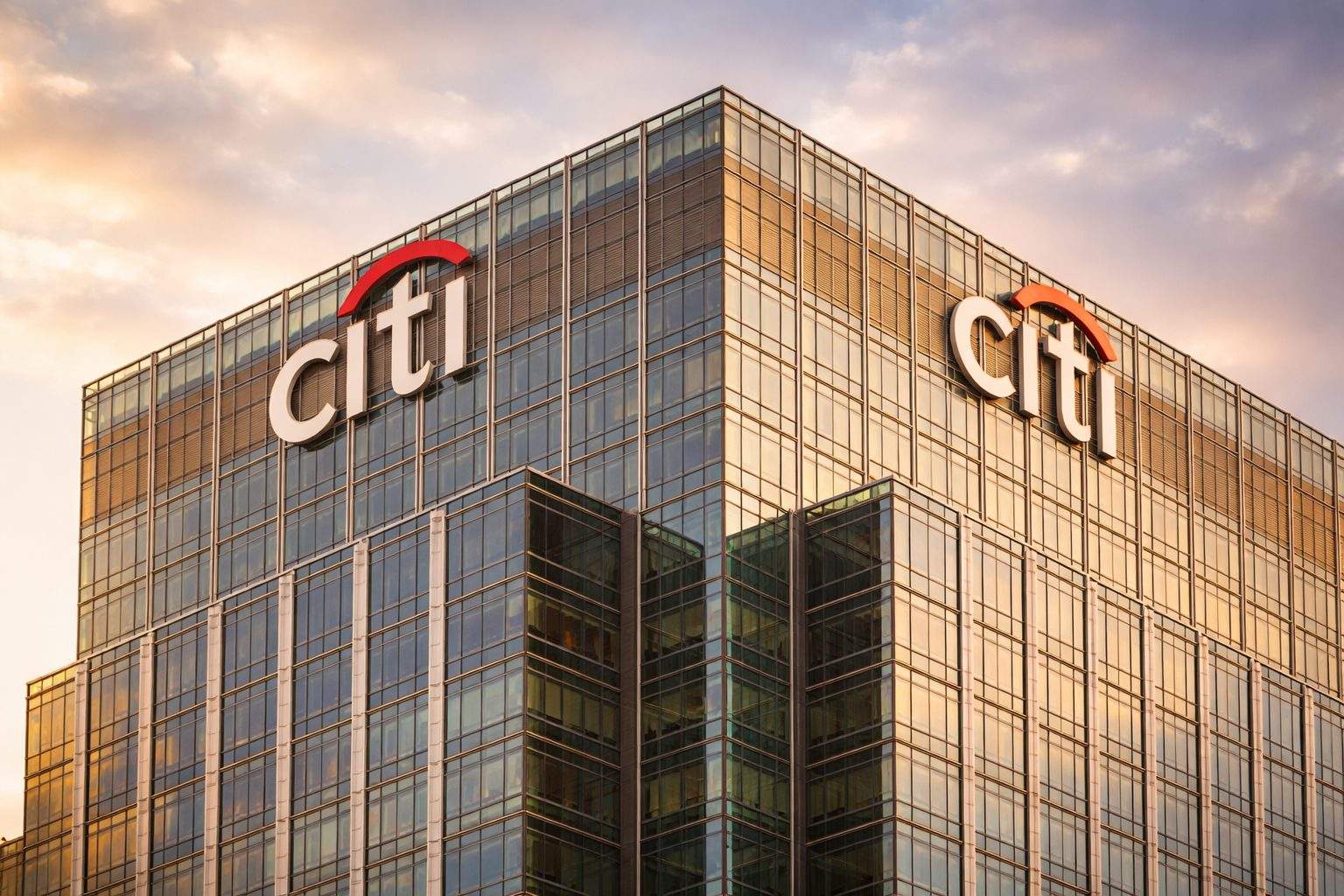
Shares of Citigroup Inc (C) rose 1.6% to close at $115.66 on Thursday, extending gains for a second day and outpacing several major U.S. banks during a broadly positive session. The stock remains roughly 7% shy of its 52-week high set earlier this month, while trading volume came in below its recent average.
This shift is significant as markets begin factoring political risk into U.S. consumer lending—a sector known for steady income when losses stay low. Credit cards, especially, drive profits for major banks, so any mandated pricing changes usually send waves through credit availability, rewards programs, and consumer spending.
For Citi, sensitivity has ramped up as policy talk shifts from “deregulation” buzz to promises focused on affordability. That change flips the script from growth to constraints. Traders who jumped on the post-election bank rally are now reexamining what Washington might do to the priciest sector of consumer credit.
A Reuters report says Bank of America is mulling new credit cards with a 10% interest rate to align with President Donald Trump’s demands. Citigroup is also exploring similar 10% card options as a possible reaction to a broad interest rate cap. Citi declined to comment. Analysts quoted in the story suggest any broad cap would likely require legislation and face a rocky path, with the industry possibly proposing a compromise like “no-frills” cards offering fewer perks. Reuters
The 10% figure represents an annual percentage rate, or APR — the yearly interest lenders charge borrowers. Since credit card balances usually count as unsecured loans, with no collateral backing them, banks impose higher rates to offset the greater default risk.
The policy debate also introduces a competitive twist. Should banks cut perks or restrict lending to safeguard margins under a cap, it could open the door for alternatives that pitch lower-cost credit or more seamless digital service.
Citi’s analysts doubled down on that narrative Thursday, suggesting fintech stocks stand to benefit as Washington leans into a more populist affordability push ahead of the 2026 midterms. “Populism is on the rise as part of the affordability focus as midterms approach,” the firm noted, highlighting companies involved in consumer-friendly credit and small-business services. That includes buy-now, pay-later players like Affirm and Klarna, along with SoFi and Block, which they see as potential winners. Reuters
Thursday’s jump in shares doesn’t close the book on the bigger issue facing Citi and its rivals: will the proposed cap actually become law, or just another headline that fades away? The risk leans one way — even a slight possibility of a binding cap could drag down valuations, since it hits a key profit center.
A biting cap might force banks to tighten credit, hike prices on new accounts, or cut rewards to protect their margins. That pressure could later translate into slower loan growth or a slight uptick in delinquencies. Conversely, if lawmakers stay put, the trade could reverse fast, sending bank shares back to following rates, economic conditions, and quarterly credit patterns.
Traders are now turning their attention to the Federal Reserve’s policy meeting on Jan. 27-28, a key event that could shake up banks by influencing funding costs and lending margins through rate expectations. Investors will also keep an eye on any clear moves from the White House or Congress regarding the proposed credit-card cap when the next session kicks off Friday.
Related articles: NYSE:C