
ATLANTA, May 2, 2026, 17:03 EDT
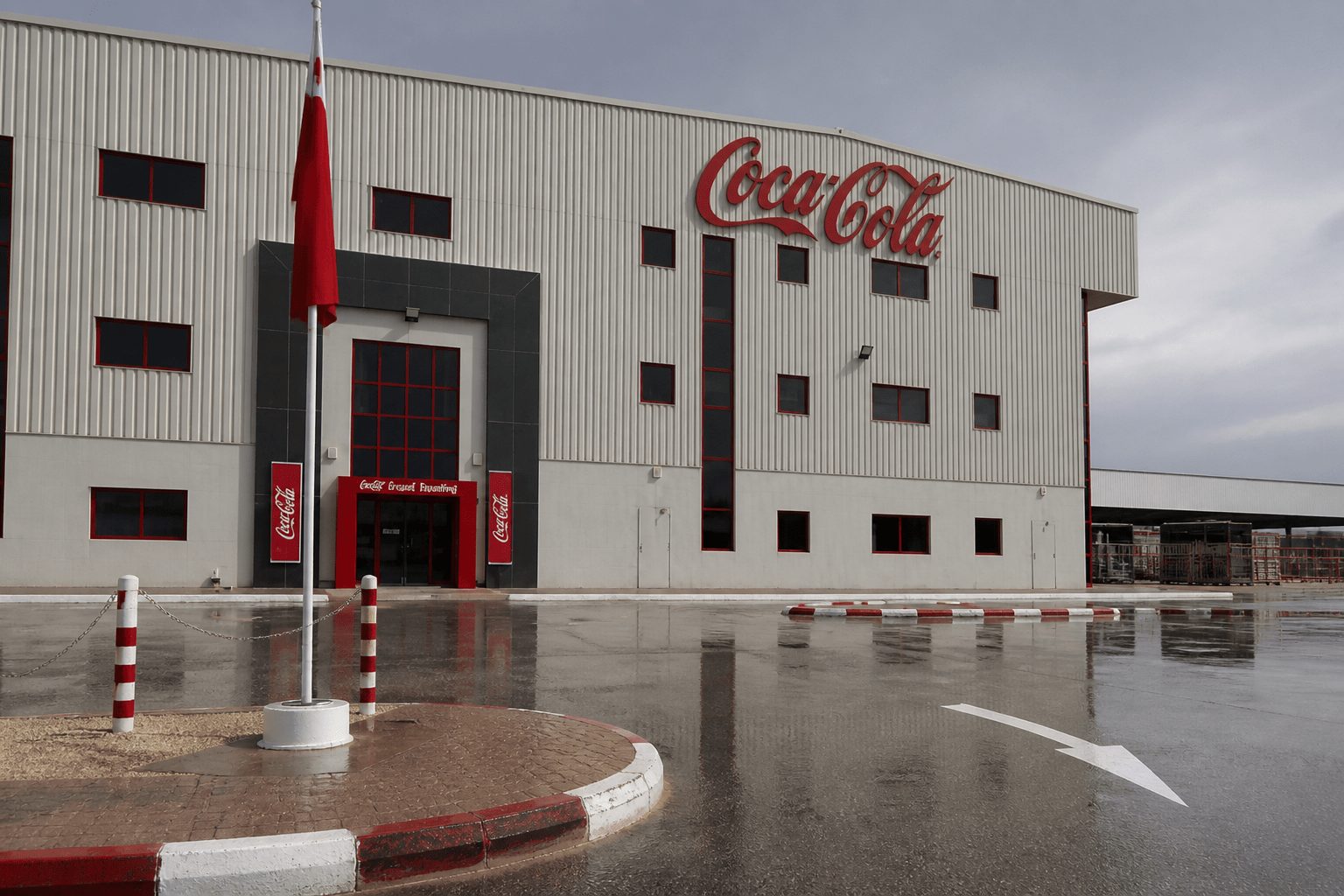
Shareholders at The Coca-Cola Company voted down five separate investor proposals targeting everything from sustainability and plastics to diversity and ingredients, a May 1 securities filing showed. Directors were all re-elected at the annual meeting held two days before, the company said.
Votes took on fresh weight this week, coinciding with Coca-Cola’s profit forecast bump, a steady hand on cash returns, and the first shareholder meeting under new chief executive Henrique Braun. With shoppers still scrutinizing brands on price tags, packaging expenses, and political stances, Atlanta’s beverage giant secured broad investor backing.
The biggest loss landed on a plastics packaging report proposal, pulling just 0.81% of the vote. A push to set up a sustainability committee amendment fared about the same, at 0.87%. Shareholders showed a bit more interest in other topics: diversity and ingredient risk reports took in 11.27% and 11.37%, while a call for broader sustainability disclosures picked up 22.31%.
Executive compensation passed easily, drawing 90.84% shareholder approval, while Ernst & Young held on as auditor with 93.56% support. Braun, holding both the CEO and director titles, topped the vote count at 99.84% support. At the other end, Thomas S. Gayner saw the lowest director backing, with 76.00%.
The board declared its usual quarterly dividend—53 cents per share—set for payment on July 1 to shareholders on record by June 15. Alongside that, the board named Sedef Salingan Sahin, chief digital officer, and Tapaswee Chandele, who stepped in as global chief people officer on May 1, as new executive vice presidents.
Coca-Cola had the wind at its back heading into the vote. First-quarter net operating revenue climbed 12% to $12.47 billion, with net income attributable to shareholders landing at $3.92 billion, or 91 cents per share.
Unit case volume, which tracks demand in 24 eight-ounce servings, edged up 3%. Concentrate sales volume jumped 8%. Concentrates—those syrups, powders, and source waters Coca-Cola supplies to bottlers and customers—got an extra boost this quarter from a timing quirk: six more days in the period compared to a year ago widened the difference between the two metrics.
“We’ve had a strong start to the year,” Braun said in the earnings release. The company attributed results to a focus on consumers, execution at the local level, and what Braun called “managing complexity.” Coca-Cola bumped up its forecast for full-year comparable EPS growth, now expecting an 8% to 9% increase. The outlook for organic revenue growth stays unchanged at 4% to 5%; that measure, which excludes currency swings and deal impacts, is non-GAAP. The Coca-Cola Company
The competitive picture isn’t clear-cut. PepsiCo—Coca-Cola’s main U.S. beverage rival—has been relying on snack price cuts and steady demand for diet sodas. Reuters noted last month that affordability has become the focal point for packaged-goods companies, as resistance to rising costs grows among lower- and middle-income consumers.
Coca-Cola’s reputation for stability held up, with most analysts sticking to that narrative. UBS’s Peter Grom pointed out that organic sales growth for the first quarter beat Wall Street’s consensus by over 300 basis points. UBS bumped up its price target for the stock to $92 from $90, maintaining a buy recommendation, according to Investing.com.
Still, the vote leaves major operational risks in play. Reuters noted that pricier energy has pushed up costs for packaging—think PET resin and aluminum. CFO John Murphy pointed out that Coca-Cola is hashing out Middle East supply snags with its bottling partners. “The priority number one is making sure we have supply in all of the package formats,” Murphy said. Reuters
Coca-Cola has highlighted ongoing legal and tax questions in its latest quarterly filing, singling out the persistent dispute with the Internal Revenue Service over transfer pricing. The issue stems from a 2015 IRS notice, which is seeking roughly $3.3 billion in extra federal income tax for the years 2007 through 2009. Shifts in costs, currency, or tax rulings could rattle the steady tone from shareholders this week.
U.S. markets were shut on Saturday, so the most recent trade for Coca-Cola came Friday at $78.58, putting its market cap near $339 billion. PepsiCo ended Friday at $157.41, valuing the company around $216 billion.
Related articles: NYSE:KO