
WARSAW, August 16, 2026, 19:25 CEST — The main commodity futures markets are shut on Sunday.
- Brent rose 6.0% last week, with tanker movements through Hormuz remaining limited.
- Gold climbed roughly 0.9% as expectations for a U.S. interest rate hike lessened.
- Aluminium stockpiles and El Niño threats signal reduced supply disruptions.
Commodity markets begin the week facing three inflation drivers. Oil is causing an instant price surge. Gold is reacting to policy developments. Food and industrial metals are accumulating supply threats that could emerge in the future.
The divergence is significant for investors. Brent climbed 6.0% over the last week, while gold advanced by approximately 0.9%. Typically, inflation from rising oil prices weighs on bullion as interest rates climb. However, soft U.S. retail sales on Friday helped keep that drag in check.
| Commodity | Latest verified level | Recent move | Main factor |
|---|---|---|---|
| Brent crude | $88.52 a barrel | +6.0% for the week | Disruptions in Hormuz and tanker movements |
| WTI crude | $82.40 a barrel | +5.4% for the week | Supply risks against stockpile growth |
| Spot gold | $4,379.95 an ounce | Up approximately +0.9% weekly | Dollar weakness and bets Fed stands pat |
| Spot silver | $64.88 an ounce | +0.7% on Friday | Backed by gold, industry demand |
| Spot platinum | $1,746.97 an ounce | +1.8% on Friday | Shift within precious metals |
| LME aluminium stocks | About 250,000 tonnes | Halved by 2026 | Disruptions in supply chains |
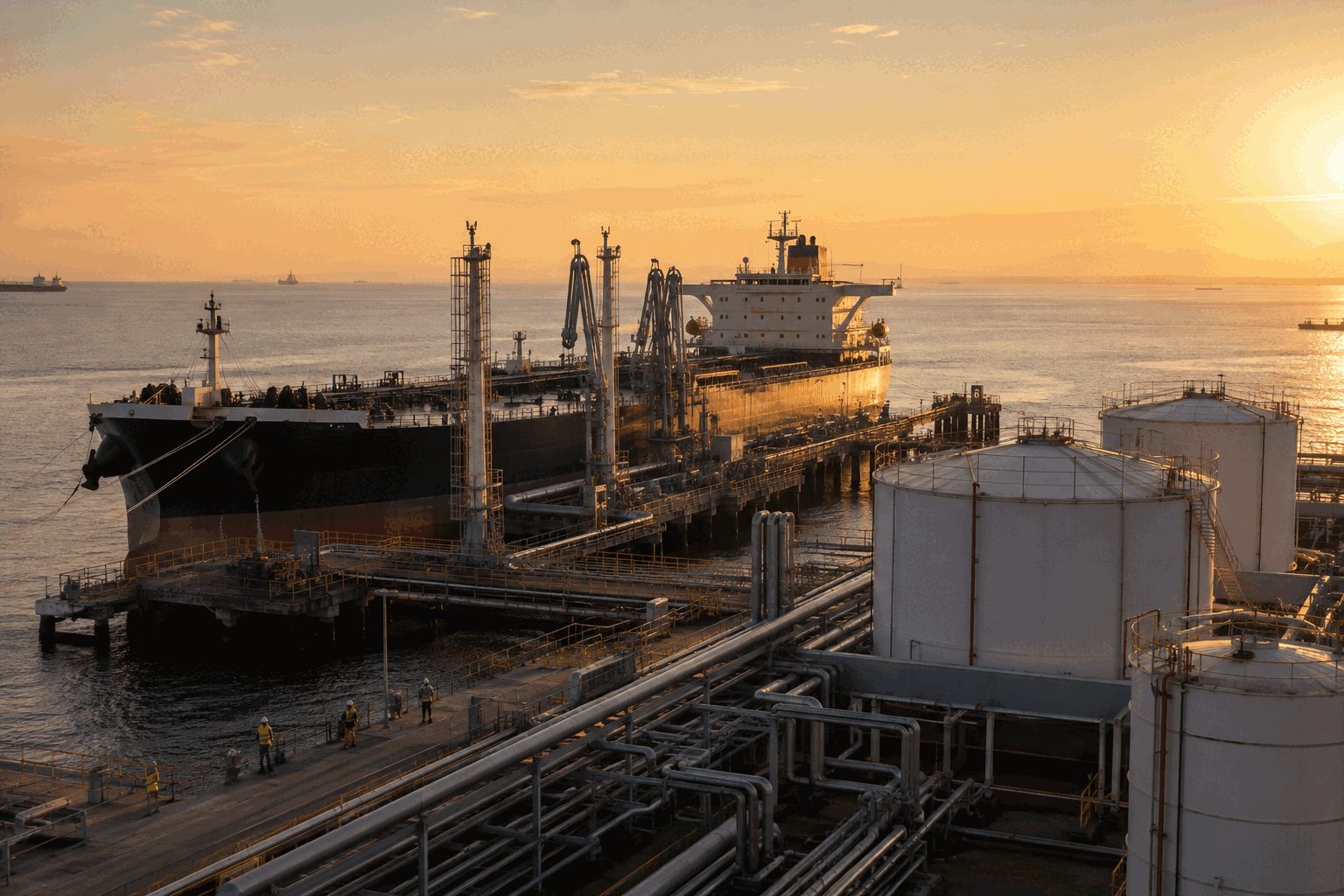
Oil continues to lead market volatility. Brent climbed to $88.52 on Friday, supported by tanker attacks and a lack of progress in U.S.-Iran negotiations. Prior to the conflict, roughly 20% of global oil and liquefied natural gas passed through Hormuz.
The bull argument faces challenges. U.S. commercial crude stocks surged by 17.4 million barrels in the latest week, marking the biggest increase since January 2023. Meanwhile, OPEC lowered its demand-growth estimate for 2026 for the fourth consecutive time, down to 580,000 barrels per day.
Supply is more constrained than demand figures imply. The International Energy Agency expects global oil supply to drop by 4.3 million barrels per day in 2026. The agency forecasts a supply gap of 1.27 million barrels per day.
| Date | Market catalyst | Commodity transmission |
|---|---|---|
| Monday, Aug. 17 | Japan flash GDP | Yen, gold, industry outlook |
| Tuesday, Aug. 18 | U.S. industrial output | Copper, oil demand, dollar |
| Wednesday, Aug. 19 | Fed meeting minutes, UK CPI | Gold, silver, dollar, real yields |
| Thursday, Aug. 20 | U.S. retail and farm machinery earnings | Food prices, fuel use, farm profits |
| Friday, Aug. 21 | Japan July CPI data | Yen strategy and precious metals |
Gold encounters a dual challenge on Wednesday. The minutes from the Fed could provide clarity on the extent to which policymakers prioritize softer demand over rising energy costs. By the close of last week, futures reflected a 33% probability of a hike in September, compared with 55% the previous week.
Base metals are indicating a subtler sign of scarcity. Aluminium stocks on the London Metal Exchange have dropped to levels last seen in 1990. The registered inventory has decreased by half over the year to nearly 250,000 tonnes. Despite a stable price environment, the supply of exchange-traded metal remains both limited and concentrated.
Copper faces ongoing supply pressures. A ban in Congo on concentrate exports recently sent three-month copper prices on the London Metal Exchange to a six-month peak of $14,369.50. While the immediate impact on volumes might be constrained, the move highlighted the market’s limited ability to withstand supply shocks.
| Analyst or institution | Recommendation or call | Evidence to watch |
|---|---|---|
| Commerzbank | Gold may climb further if the Fed pauses | Fed minutes, real yield movement |
| SEB Research | Oil likely remains supported with ongoing Middle East tensions | Monitor Hormuz shipping and diplomatic developments |
| Julius Baer | Elevated oil inventories could drag prices down | U.S. stockpile increases, demand weakness |
| JPMorgan | Expect food inflation pressures to arrive later | Strength of El Niño, rising energy prices |
Analysts are most divided when it comes to oil. SEB predicts that prolonged disruptions will keep prices elevated. Norbert Rucker at Julius Baer noted storage levels are stronger than anticipated, which could drive prices down. Commerzbank believes gold has further to rise if the Federal Reserve maintains its pause.
Agriculture is emerging as a potential new driver of inflation. Elevated fertiliser prices, disruptions in Black Sea shipping, and the impact of a strong El Niño are fuelling worries. JPMorgan projects that a “super” El Niño could push global food inflation up by approximately 0.7 percentage points at its highest point. Reuters week-ahead themes
Risks: A ceasefire may swiftly remove oil’s geopolitical premium. Additional tanker attacks risk pushing up both fuel and freight prices. Robust factory figures may boost yields, weighing on gold even if metal demand increases.
Correlation will be the key signal this week. A scenario where oil climbs while gold remains steady would indicate inflation remains in check. If oil, gold and the dollar all increase at once, that would point to a wider search for safe assets. However, a drop in oil prices alongside steady copper would suggest growth is slowing but not tipping into recession.