
BALTIMORE, April 24, 2026, 15:03 (EDT)
- The independent market monitor for PJM is pushing FERC to deny waivers related to Constellation’s Crane nuclear restart.
- The dispute is key: Crane, once Three Mile Island Unit 1, sits at the heart of Constellation’s 2027 power blueprint aimed at Microsoft-connected data center growth.
- Constellation shares climbed roughly 7.2% in afternoon action. Vistra and Talen, both power producers, advanced as well.
Shares of Constellation Energy surged Friday. Still, the company’s effort to revive the former Three Mile Island nuclear reactor hit a new hurdle, this time from PJM’s independent market monitor.
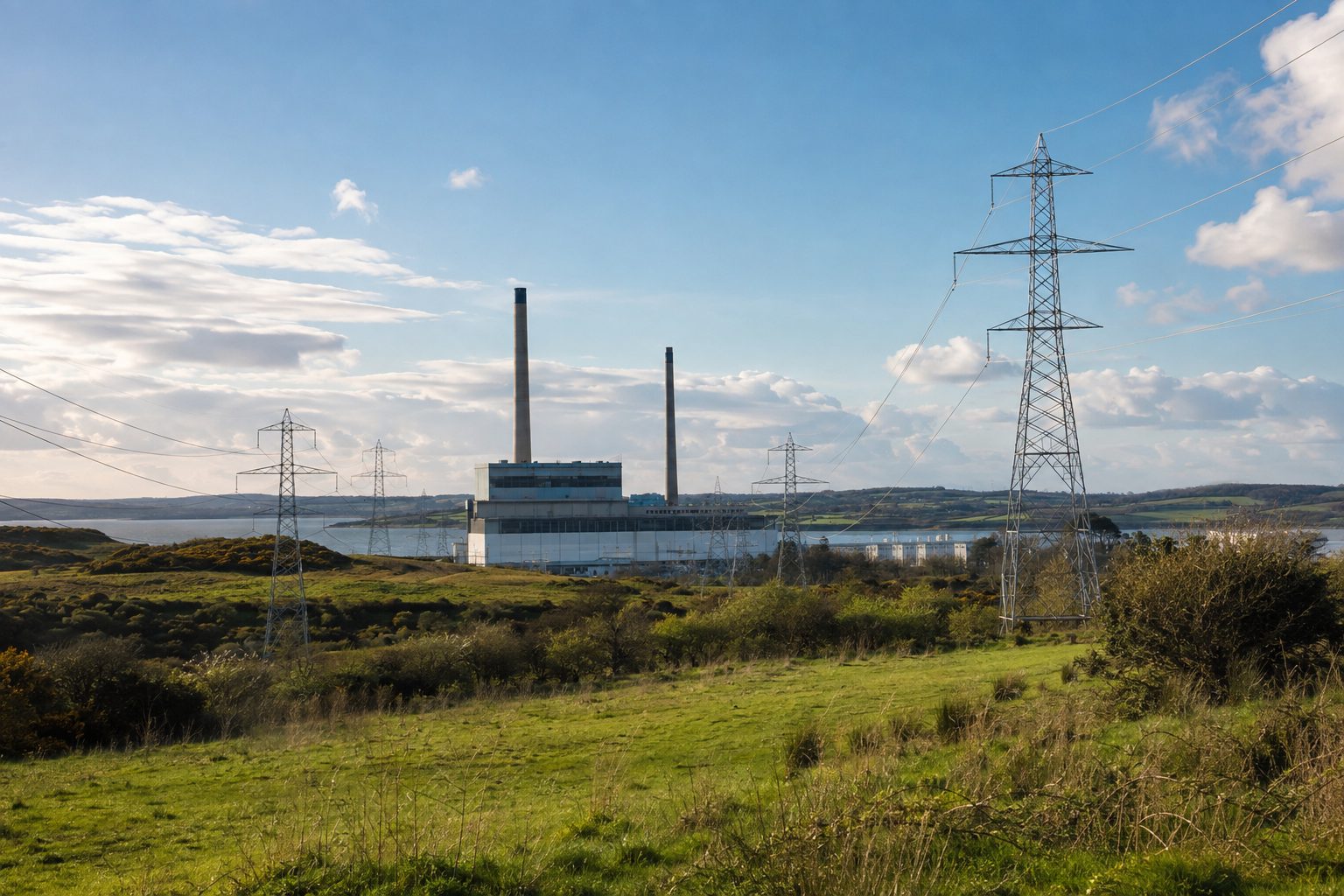
Monitoring Analytics urged the Federal Energy Regulatory Commission to reject Constellation’s request for a waiver, arguing the company failed to satisfy FERC’s four-part waiver test. That filing throws a spotlight on regulatory risks facing the 835-megawatt Crane Clean Energy Center—the former Three Mile Island Unit 1.
Constellation wants to keep the Crane plant lined up for a 2027 restart, banking on power supplies for a Microsoft agreement as data center demand puts more pressure on the U.S. grid. The Energy Information Administration expects electricity usage to keep climbing in 2026 and 2027, citing artificial intelligence and crypto data centers as big contributors.
This isn’t just about a single reactor. The case puts a spotlight on whether the U.S. grid can keep pace with surging AI-driven demand, even as transmission upgrades lag. Capacity Interconnection Rights, or CIRs, allow power plants to count their output as deliverable onto the PJM network.
Constellation is looking to move CIRs tied to Eddystone Units 3 and 4—older gas-and-oil generators just outside Philadelphia—over to Crane, closer to Harrisburg. The company contends that without this shift, certain transmission upgrades would delay Crane’s full output until roughly 2030 or possibly beyond.
Monitoring Analytics fired back on April 21, telling FERC in its filing that Constellation’s waiver bid “fails each prong” of the commission’s standard. The market monitor also warned the request could saddle other interconnection customers with upgrade costs, or disrupt the PJM queue. monitoringanalytics.com
According to Utility Dive, PJM didn’t push back against the waiver, though the grid operator pointed out that ongoing transmission studies will dictate the timing for Crane’s electricity delivery. The decision now heads to FERC.
Constellation says it’s still on track with the restart. “We continue to expect to start this unit in ’27,” Chief Executive Joe Dominguez told investors on a March 31 call, as reported by RTO Insider. RTO Insider
Constellation shares jumped 7.2% to $313.72 in recent trading. Vistra added 5.1%. Talen Energy climbed roughly 4.6%. Investors continue to chase independent power producers linked to tight electricity supply and surging data center needs.
Competition is starting to heat up. Back in February, Andrew Rocco, a stock strategist at Zacks Investment Research, told Reuters that leading independent power producers like Vistra, Constellation and Talen might end up building “mega-sites” that bundle land, energy, and fiber specifically for data center clients. Reuters
Constellation doubled down on that strategy after wrapping up its Calpine buy in January. According to the company, the merged operation now boasts 55 gigawatts of capacity spread across nuclear, natural gas, oil, geothermal, hydro, wind, and solar. Reuters earlier noted the acquisition brought Calpine’s gas and geothermal facilities together with Constellation’s nuclear portfolio.
The risk looms large here. Should FERC turn down the waivers, or if PJM’s studies indicate system upgrades are needed before Crane can reach full deliverability, Constellation might find itself with a working reactor but no way to push all that power onto the grid. That scenario would throw a wrench into one of its most closely watched growth projects—right as investors fixate on speed from power producers.
Related articles: Stock Market