
NEW YORK, June 18, 2026, 15:10 EDT
- Corning shares rebounded sharply in Thursday afternoon trading, outpacing the broader U.S. market.
- Investors remain focused on the company’s optical-fiber and photonics exposure to AI data-center spending.
- The move comes before a Friday market closure for Juneteenth, leaving Thursday as the last regular U.S. equity session of the week.
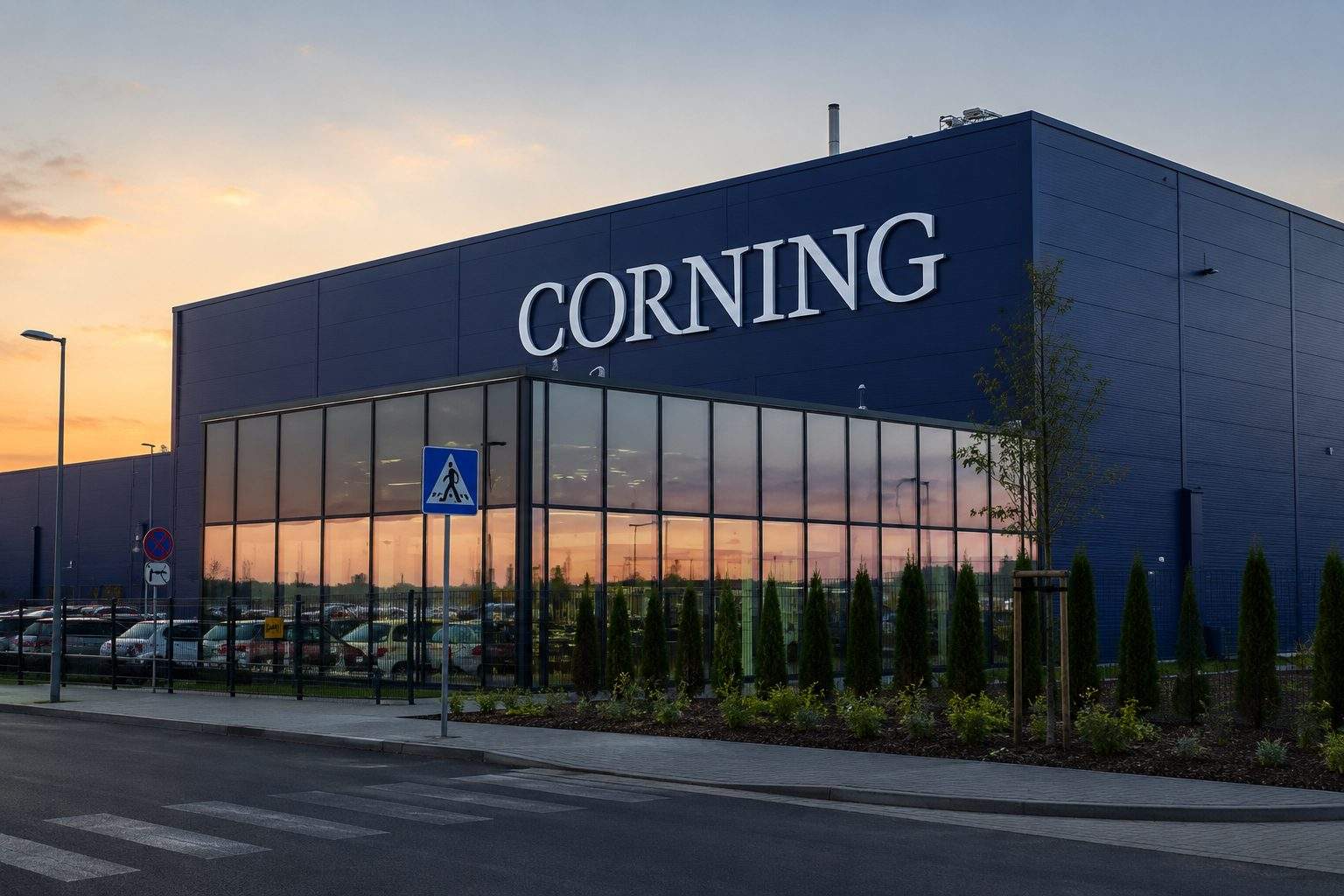
Corning Incorporated shares jumped 10.3% to $193.45 in Thursday afternoon trading, up $18.05 on the day, as buyers returned to one of this year’s sharper artificial-intelligence infrastructure trades. The stock’s volume stood at about 11.2 million shares.
The move matters because Corning is no longer being priced only as a mature specialty-glass maker. Investors are treating it as a supplier to AI data centers, where optical fiber and related connectors move large amounts of data between chips and servers. Investor’s Business Daily this week highlighted Corning as an AI data-center play and said the stock had risen 106% in 2026.
The rally beat the wider tape. SPY, an exchange-traded fund that tracks the S&P 500, was up about 0.8%, while QQQ, which tracks the Nasdaq-100, gained about 2.4%. In related optical and networking names, Marvell rose 11.6%, while Ciena fell 2.5% and Lumentum lost 4.0% in afternoon dealings.
The latest corporate marker came June 8, when Amazon signed a multibillion-dollar agreement with Corning to lift U.S. production of optical fiber and connectivity products used in data centers. Amazon said the deal would create 1,000 jobs at Corning facilities in North Carolina, while Amazon Web Services CEO Matt Garman said the companies were making “long-term investments” in the state. Corning
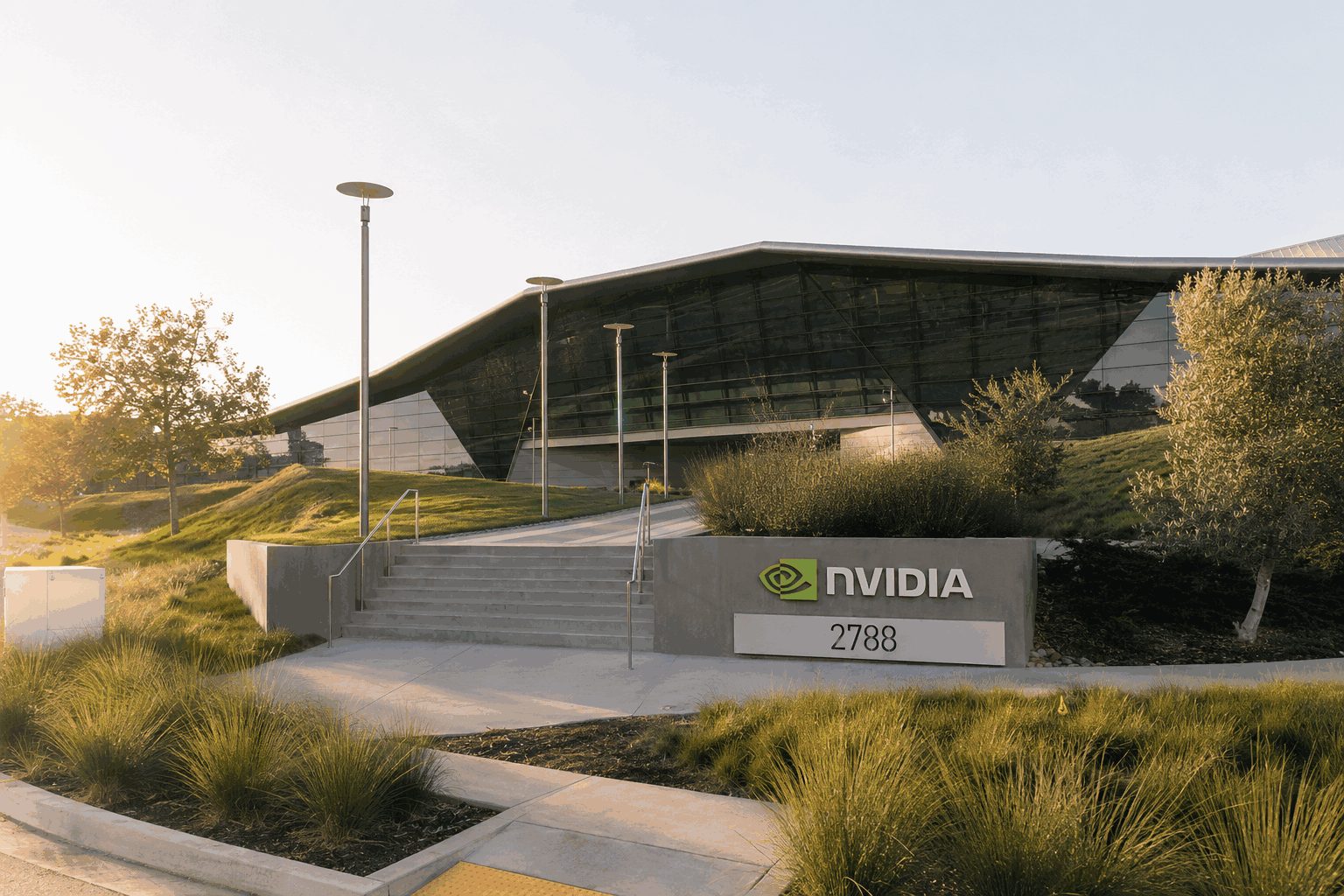
That followed Corning’s May partnership with Nvidia to expand U.S. optical-connectivity capacity tenfold, lift domestic fiber capacity by more than 50%, and build three new plants in North Carolina and Texas. Nvidia CEO Jensen Huang called the AI infrastructure buildout “a once-in-a-generation opportunity.” Corning
Corning has also reset its own growth targets. At a May investor event, the company said it expected to reach a $20 billion annualized sales run rate by the end of 2026; annualized run rate means the current sales pace projected over a full year. It also laid out an internal plan for $30 billion by 2028 and $40 billion by 2030, and Chief Financial Officer Ed Schlesinger said Corning would “share the risk” of investments through long-term customer agreements. Corning
The first-quarter numbers gave investors something to work with. Corning said core sales, its adjusted non-GAAP revenue measure, rose 18% to $4.35 billion, while core EPS, or adjusted earnings per share, rose 30% to 70 cents. Optical Communications sales grew 36%, and management guided for about $4.6 billion in second-quarter core sales.
That is the investment case in plain English: Corning is trying to sell more of a bottleneck product, not just more glass. The stock’s latest move suggests traders are giving heavier weight to secured demand from cloud and chip customers than to softness in older consumer-facing lines.
But the setup is not clean. Reuters reported in April that slower electronics replacement cycles and cautious consumer spending were still pressuring Corning’s non-optical businesses, and that an extended maintenance shutdown at a solar wafer facility weighed on its near-term outlook. Valuation is another risk: Google Finance showed a price-to-earnings ratio — share price divided by earnings per share — of about 92, and its lowest 12-month analyst target was $180, below Thursday afternoon’s price.
U.S. markets will be closed Friday, June 19, for Juneteenth, according to the NYSE holiday calendar. That gives Thursday’s trade a sharper edge, but it does not change the main test for Corning: whether AI-related optical demand turns into sustained margins and cash flow as the new capacity comes online.