
NEW YORK, May 29, 2026, 08:02 EDT
- D-Wave traded around $28.96 ahead of the NYSE’s 9:30 a.m. EDT open, off 1.8% from the last close.
- Investors are watching the company’s June 1 investor day at the New York Stock Exchange. This follows a proposed $100 million CHIPS Act deal with the U.S. Commerce Department.
- Bulls are still watching bookings and tech progress, but first-quarter revenue dropped 81% and D-Wave ended with a $18.4 million net loss.
D-Wave Quantum Inc. shares fell in U.S. premarket trading Friday, with the stock easing as investors looked at new government quantum programs and the company’s small revenue.
The stock changed hands at $28.96 in premarket trade, 1.8% below its last close, per Investing.com. NYSE regular hours are 9:30 a.m. to 4 p.m. EDT. Friday is not on the exchange’s 2026 holiday list. Memorial Day fell on Monday, May 25.
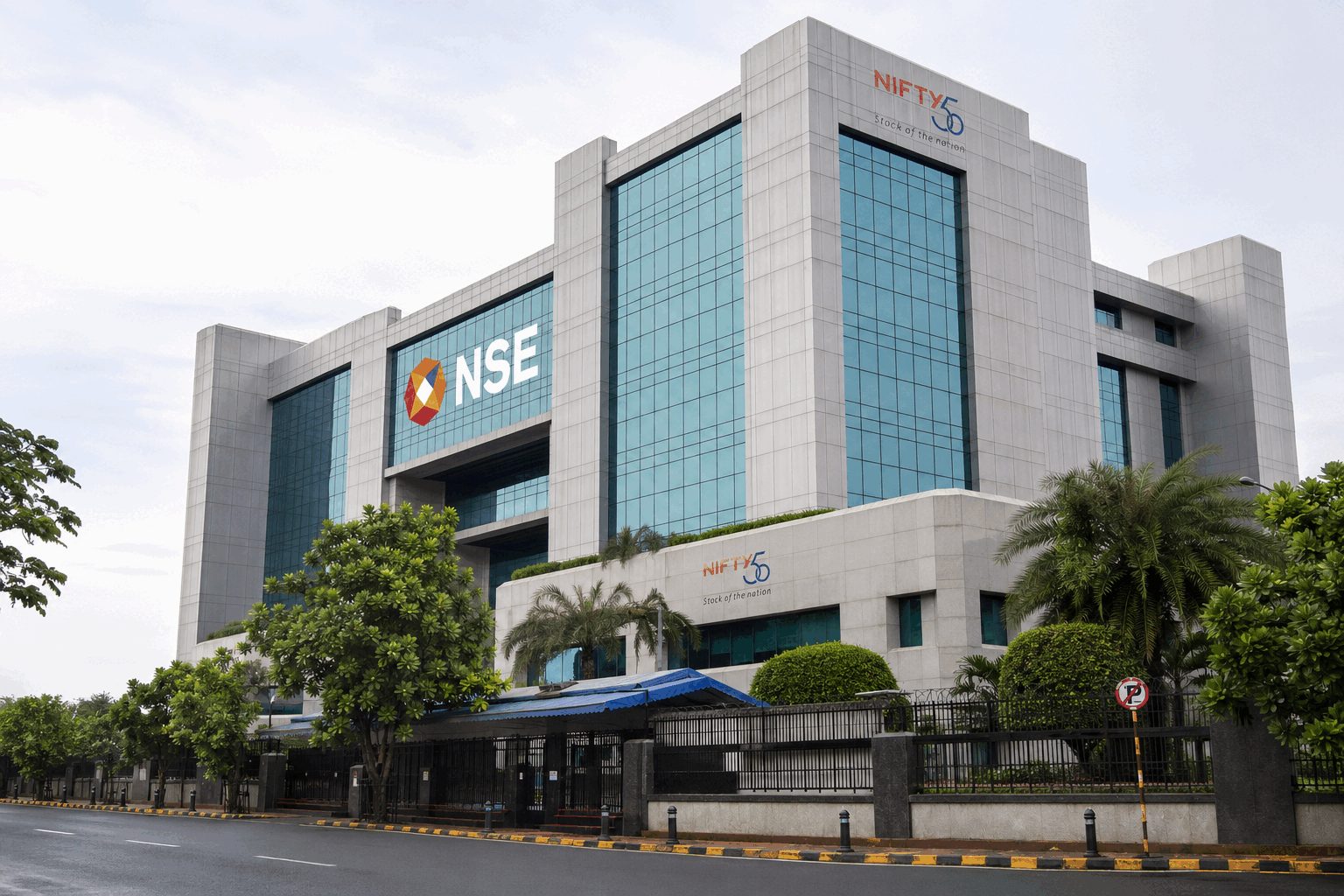
D-Wave’s first investor day is set for June 1 at the New York Stock Exchange. The company said the event will go through its tech roadmap, where it’s seeing commercial traction, and how it sees long-term expansion. “Proof, not potential, will define the winners,” CEO Alan Baratz said back in April when the investor day was announced. Business Wire
The focus is back on the stock now. D-Wave is in the spotlight after it said it signed a letter of intent for $100 million of possible funding tied to the U.S. CHIPS and Science Act, which aims to build up U.S. technology supply chains. If the deal goes ahead, D-Wave would sell $100 million in common stock to the U.S. Department of Commerce.
Baratz called the planned government investment a “transformative moment” for D-Wave, quantum computing, and the country. Commerce Secretary Howard Lutnick said the funding would kick off “a new era of American innovation.” D-Wave Quantum
The company said this week it got a second round of funding for its superconducting-qubit fabrication project from NORDTECH’s Microelectronics Commons work. Qubits, the base units of quantum computing, use very cold circuits when they are superconducting. Baratz said the award showed “growing recognition” of quantum computing in U.S. microelectronics. D-Wave Quantum
D-Wave stood by its “quantum supremacy” claim, saying its quantum processor can tackle a specific task classical computers can’t handle. That defense came after other researchers published new classical-simulation results disputing some of the hype around quantum performance. CEO Baratz said D-Wave’s result “continues to hold up.” The company also said the new research didn’t match the full results laid out in its previous Science paper. D-Wave Quantum
Sales are the test the market cares about. D-Wave posted first-quarter bookings at $33.4 million, a surge of 1,994% versus last year. That included a $20 million system sale to Florida Atlantic University and a $10 million quantum computing service deal with a Fortune 100 company. Bookings mean customer orders that turn into future revenue.
Revenue dropped 81% to $2.9 million, with the prior year’s quarter helped by a big system sale. The net loss for the company widened to $18.4 million, or 5 cents a share. Operating expenses went up as D-Wave brought in Quantum Circuits and hired more staff.
Quantinuum, spun out of Honeywell, has filed IPO terms that could value the company as high as $12.7 billion. The quantum tech firm’s planned debut would put a new heavyweight in front of investors and up against D-Wave, Rigetti Computing, and Infleqtion. Competitive pressure remains.
Quantum stocks are still riding the AI wave on Wall Street. Dan Ives, global head of tech research at Wedbush Securities, told investors last week that quantum computing is a “derivative play” on artificial intelligence and said it might “push forward on AI” to a new level. Seeking Alpha
D-Wave Quantum shares could run out of steam if the numbers don’t start to catch up to the story soon. Any snags in the Commerce agreement, a lackluster investor day on Monday without fresh details on recurring revenue, or more doubts from scientists about D-Wave’s tech could knock the stock lower in a hurry. The company says its plans for its roadmap, commercialization, and Quantum Circuits come with forward-looking risks.
Related articles: Quantum Computing