
ATLANTA, May 15, 2026, 18:03 (EDT)
- Berkshire Hathaway has taken a new position in Delta Air Lines, disclosing a $2.65 billion stake.
- Berkshire is back in Delta after getting out of big U.S. airline stocks in 2020, the filing shows.
- Fuel is still the top risk after Delta trimmed its short-term growth plans last month.
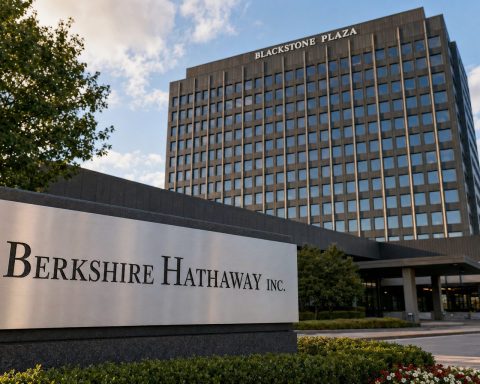
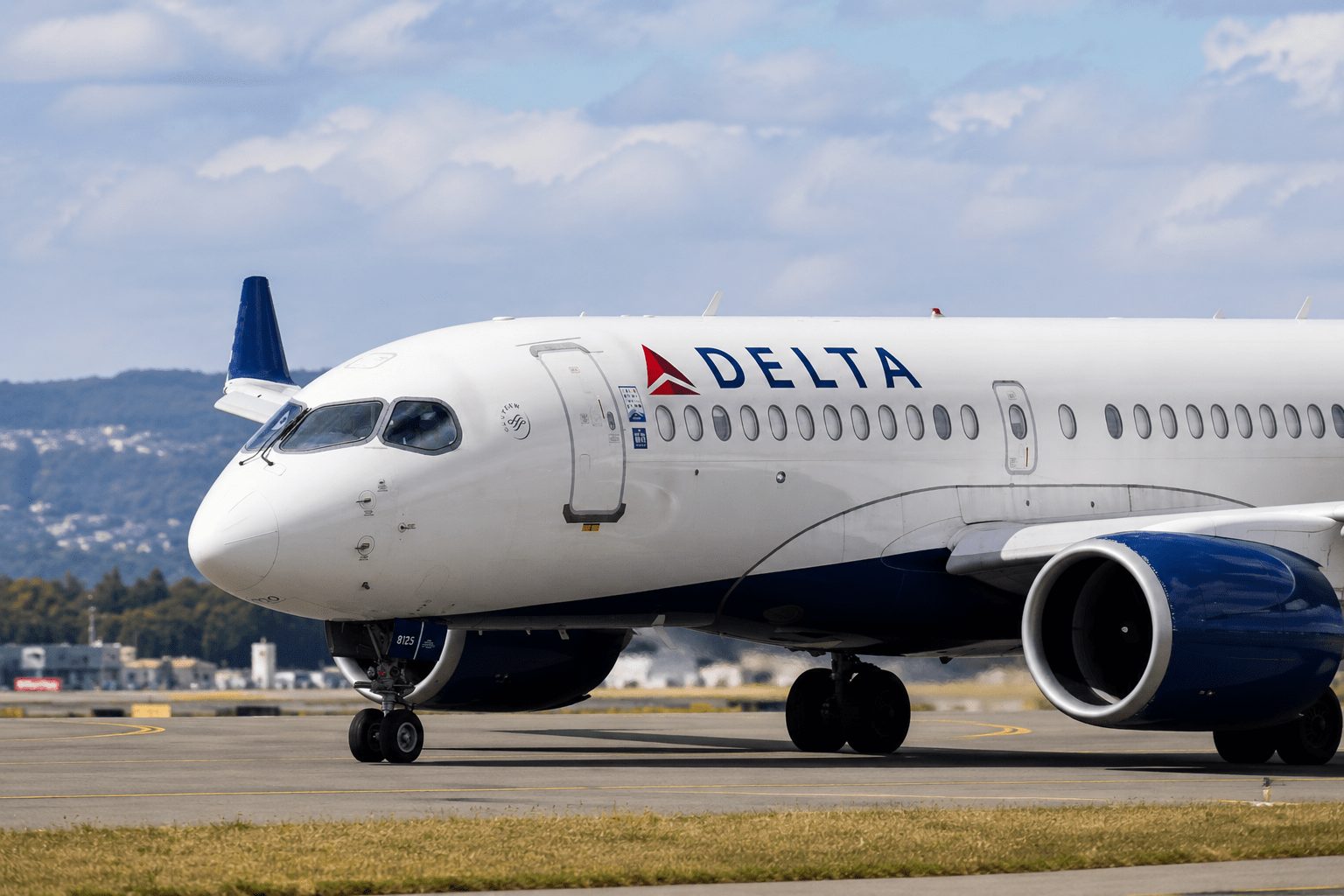
Berkshire Hathaway has taken a $2.65 billion stake in Delta Air Lines, according to Friday’s disclosure. The move puts the Atlanta-based airline back into Berkshire’s portfolio after the company unloaded airline stocks in the early days of the pandemic.
The firm held 39.8 million Delta shares at the end of March, according to a U.S. regulatory filing. Large asset managers file a 13F every quarter to report their U.S.-traded stock holdings. The filing doesn’t include any trades after March 31.
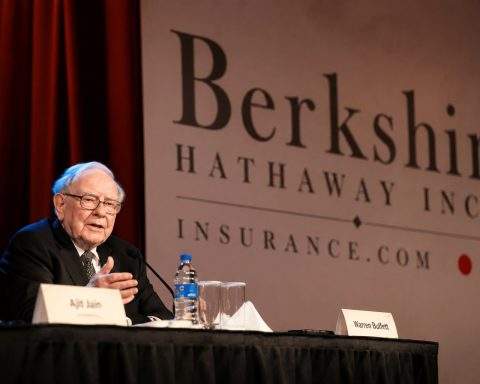
Berkshire used to own 11% of Delta before it dumped that and similar stakes in American Airlines, Southwest, and United Airlines in April 2020. Warren Buffett said at the time, “the world had changed” for aviation. Reuters
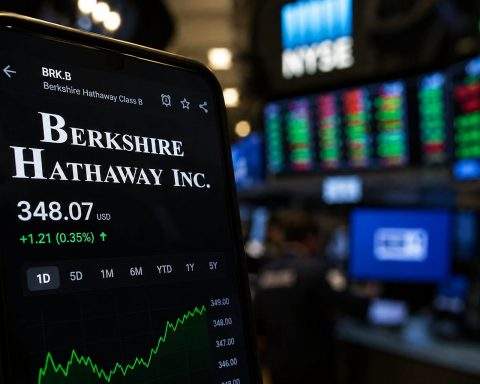
Delta shares jumped 3.2% in after-hours trade after the news, Reuters said. Berkshire revealed a small Macy’s position and reported selling stocks like Amazon, UnitedHealth, Visa, and Mastercard. The moves are part of a portfolio shakeup in the first quarter, after Greg Abel was named to take over as CEO from Buffett.
Delta is making the purchase while the airline faces higher costs. Last month, it cut planned capacity growth for the June quarter and put out a profit outlook that missed Wall Street targets, warning that pricier jet fuel would push costs up by more than $2 billion.
Delta CEO Ed Bastian told analysts, “We woke up this morning with a very different set of fuel assumptions than we had when we went to bed.” The airline said it sees itself recovering just 40% to 50% of the higher fuel costs in the second quarter. Reuters
Delta’s April update gave Berkshire a reason to stick around. The airline said it expects low-teens revenue growth for the June quarter while keeping capacity flat. Earnings are forecast between $1.00 and $1.50 a share, and Delta said its refinery should offset around $300 million of fuel costs.
Delta CEO Ed Bastian said in the release, “Demand remains strong,” as the airline trims its plans for capacity growth and works to pass along higher fuel costs. Chief Commercial Officer Joe Esposito said March-quarter revenue hit a record, driven by premium, corporate and loyalty revenue. Delta Air Lines
Berkshire’s move isn’t an obvious call on sector winners. Its stake in Delta might look like a bet on the carrier’s brand or focus on premium customers, but American, Southwest and United all face the same fuel price swings and changing demand. The stocks jumped with Delta in April, after oil eased on ceasefire headlines, keeping the group highly sensitive to moves in fuel and geopolitics.
Berkshire’s filing shows its holdings as of March 31, but it’s not clear if the company still owns the same number of shares today. The disclosure is delayed, not a real-time trade.
Oil is the wild card here. On Friday, Capital Economics said Brent could shoot past $150 a barrel and hold near that mark into the end of 2027 if the Iran war takes a severe turn. Brent was already up 3.4% to $109.29 in early Friday trade, according to Reuters.
Delta hasn’t responded yet to Reuters’ request for comment. The market is looking at the basics: Berkshire is back in Delta. The airline is cutting growth, holding margins, and betting that demand will get it through another fuel shock.
Related articles: NYSE:BRK.B