
NEW YORK, June 10, 2026, 15:03 ET
- Delta shares dropped roughly 5% on Wednesday, erasing gains from the rally a day earlier.
- Oil prices jumped again, bringing fresh concerns about jet-fuel costs.
- Investors are looking to see if Delta keeps margins steady using fares, cutting capacity and its refinery edge.
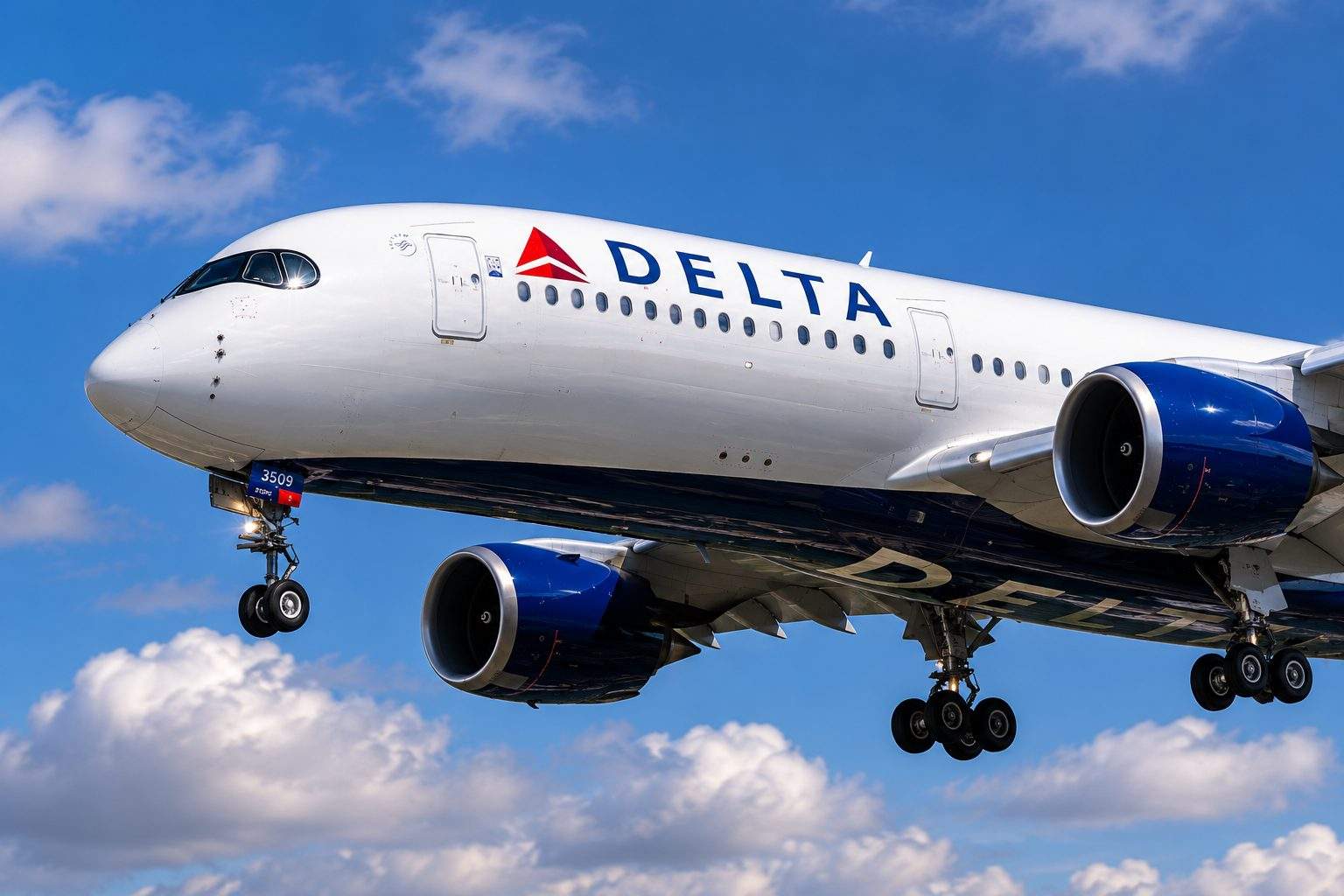
Delta Air Lines slipped Wednesday. Shares dropped about 5.1% to $77.01 after opening at $79.31 and hitting a session low of $76.63. Investors sold out of airline stocks as oil prices jumped, bringing fuel costs back into focus for Delta, just a day after the stock had rallied close to its 52-week high.
Delta’s rally from earlier this week didn’t last. On June 9, the stock jumped 3.78% to close at $81.17, putting it just 3.17% off its 52-week high at $83.83, MarketWatch said. But that run is now under pressure again as jet fuel prices, an old problem for airlines, have turned more volatile and costly.
Oil prices pushed investors to sell. Brent crude gained 2.8% to $94.06 a barrel on Wednesday, U.S. West Texas Intermediate added 3.3% to $91.12. Reuters said renewed tensions between the U.S. and Iran stoked new fears about supply. Crude doesn’t translate directly into airline fuel costs but sets the base for jet-fuel pricing.
The selling didn’t just hit Delta. United Airlines dropped roughly 6.1%, while American Airlines lost around 4.8%. Traders cut the whole sector, not just Delta after the news.
Delta is getting attention today because investors had seen it as having stronger demand and more pricing power than a lot of rivals. Back in April, Delta told the market to expect revenue up in the low-teens for the June quarter, with capacity flat and an operating margin of 6% to 8%. That guidance was based on a fuel price around $4.30 per gallon and a $300 million expected gain from its refinery.
Delta CEO Ed Bastian put the trade-off plainly in the April earnings statement. “Demand remains strong, and we are taking actions to protect our margins and cash flow,” he said. Bastian said those actions now mean “meaningfully reducing capacity growth” and shifting to recover higher fuel costs. Delta Air Lines
Shareholders are facing a tougher fuel environment, with costs climbing faster than airlines can push through higher fares. The International Air Transport Association this week cut its global airline net profit outlook for 2026 to $23 billion, about half of the $41 billion it forecast earlier. Jet fuel prices are seen averaging $152 a barrel for the year, IATA said.
IATA’s Willie Walsh said “airlines are bearing the brunt of the fuel price shock.” Fares are going up, he said, but airlines are still taking some of the loss on their bottom lines. The bottom line is a company’s net profit after costs, taxes and other expenses. IATA
Energy markets are reacting fast to shifts in fuel prices and supply. Government numbers show Gulf Coast jet-fuel spot prices hit $3.91 a gallon on average from March to May, which is nearly twice as much as earlier this year, according to the Energy Information Administration. Jet-fuel output climbed to new highs as refiners worked to capture bigger margins. The crack spread—the profit margin between crude and jet fuel—also saw a large jump.
Delta’s new quarterly filing puts the pressure in clear terms. Aircraft fuel and related taxes climbed by $332 million in the March quarter versus a year ago. The jump was mainly from a 10% rise in its jet-fuel purchase price. The company expects higher fuel costs to stick around until market disruptions and geopolitical events are sorted out.
That’s why what happened Wednesday isn’t just about one rough session. The bullish argument for Delta leans on premium travel, corporate bookings, loyalty and capacity sticking to plan to help manage bumpy costs. In the March quarter, premium product revenue climbed 14%. Domestic passenger revenue was up 8%. American Express paid Delta $2.2 billion, a 10% rise from last year.
The risk is fares might climb faster than travelers or corporate clients accept. If oil and jet fuel don’t ease up, Delta might cut more capacity and could pull back from weaker routes. Margin guidance could take a hit. If demand cools too, Delta’s premium offerings and loyalty program could help, but might not be enough to cover a rising fuel bill.
Delta’s June-quarter report is up next. Investors want to see if the airline’s higher fares and its capacity moves are making up for fuel costs, not just hitting demand.
Related articles: NASDAQ:UAL