LONDON, January 4, 2026, 14:45 ET
- BBC “Countryfile” presenter John Craven says thousands more electricity pylons may be needed for the UK’s grid build-out
- National Grid and SSEN Transmission are advancing major high-voltage projects as campaigners push for offshore or underground alternatives
- “Countryfile” airs a new Highlands episode on BBC One on Sunday evening, TV listings show
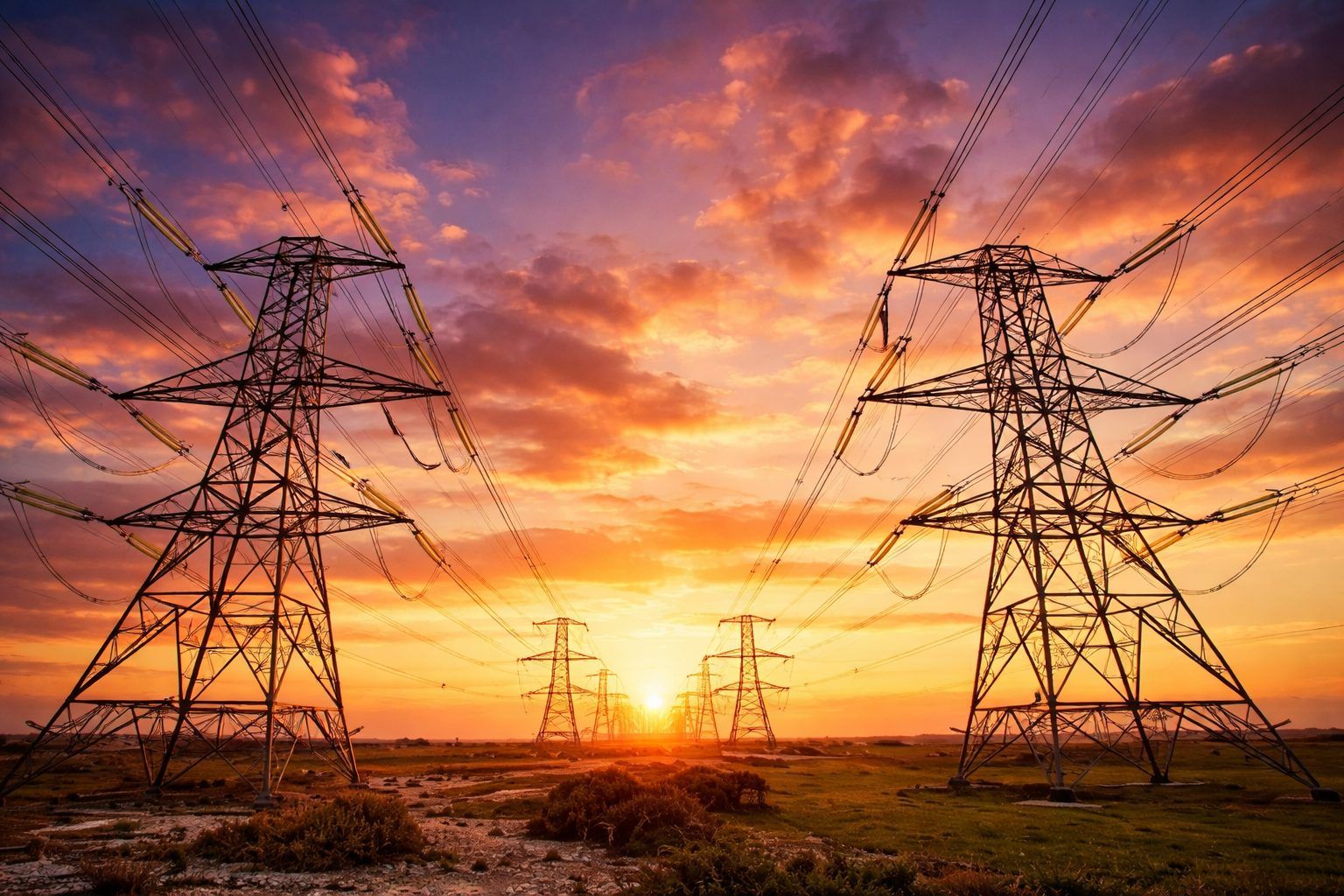
BBC “Countryfile” presenter John Craven wrote on Friday that Britain faces “1000s” more electricity pylons as grid operators race to connect renewable power, stoking an increasingly public fight over new lines. The column said protests are growing around routes tied to the country’s push to expand electricity transmission. Countryfile
The debate matters now because Britain is trying to move more electricity from offshore wind, solar and other low-carbon generation to homes and industry, while demand rises as heating and transport electrify.
It also lands as government and grid operators look for quicker approvals for large infrastructure, even as local groups argue new pylons will scar landscapes and hurt rural economies. The alternative — moving cables offshore or putting them underground — can be slower and significantly more expensive.
Craven’s column cited proposals for around 1,300 additional pylons in England and Wales and hundreds more across the Scottish Highlands. He highlighted opposition in places such as East Anglia and north-east Scotland, including petitions calling for routes to be moved offshore or buried.
National Grid, which runs the electricity transmission network in England and Wales, has branded its pipeline of major projects the “Great Grid Upgrade.” In a September press release on the Norwich-to-Tilbury scheme, the company said the project would use a mix of overhead lines and underground cables after the Planning Inspectorate accepted its application. Nationalgrid
In Scotland, SSE’s SSEN Transmission has pursued consent under Section 37 of the Electricity Act — the approval route for major overhead power lines — for a 400-kilovolt connection between Kintore and Tealing. “Submitting our consent application for the Kintore–Tealing 400kV overhead line marks a major milestone in supporting UK and Scottish energy goals,” Alison Hall, SSEN Transmission’s director of development, said. Ssen Transmission
Cost sits at the centre of the argument. An April report by the Institution of Engineering and Technology said buried underground cables are, on average, around 4.5 times more expensive than overhead lines. Theiet
The pylon row is unfolding alongside fresh attention on “Countryfile” itself. A TVGuide.co.uk listing said a new episode fronted by presenter Hamza Yassin would air on BBC One London HD at 6 p.m. local time on Sunday, exploring wildlife around Loch Affric in the Highlands. Tvguide
But planning and construction timelines remain the biggest uncertainty. Route changes, environmental assessments and legal challenges can delay projects, while broader shifts toward undergrounding or offshore cables would raise funding needs and could push up costs.
Craven wrote that pylons have been contentious since the first steel towers appeared almost a century ago. The next wave of planning decisions will test whether grid operators can speed up new lines fast enough to keep pace with renewable build-outs while limiting disruption in the countryside.