
New York, Jan 16, 2026, 17:04 EST — After-hours
- The Dow dropped 83 points Friday to 49,359, closing the week just a bit down.
- Optimism around chips and strong bank earnings made up for losses in healthcare and software stocks.
- With a holiday-shortened week ahead, investors turn their focus to a packed earnings schedule and the Fed’s meeting late in January.
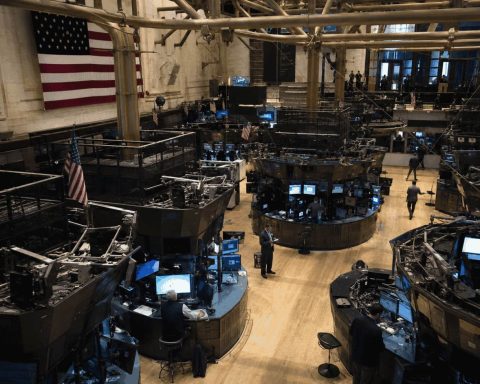
The Dow Jones Industrial Average dropped 83.11 points, or 0.17%, settling at 49,359.33 on Friday, pulling back from its recent peaks as the first full earnings week wrapped up. The index ended the week down roughly 0.3%. The S&P 500 and Nasdaq also slipped slightly.
The modest move mattered more for its timing than its size. Earnings season expands next week, with traders focused on how long the Federal Reserve might hold rates steady amid a swirl of political news around the central bank. “To finish the week around flat with the S&P 500 still within spitting distance of 7,000 — most investors will take that as a win,” said Anthony Saglimbene, chief market strategist at Ameriprise Financial. Reuters
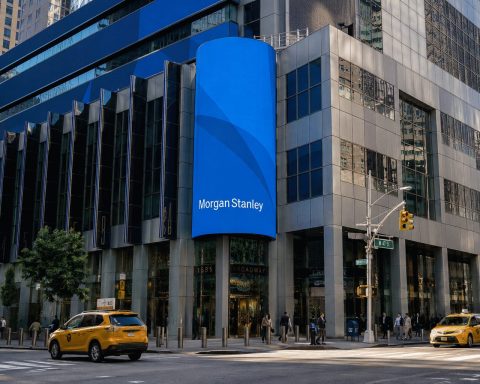
The Dow climbed 0.6% the day before, boosted by Goldman Sachs and Morgan Stanley surging after their quarterly earnings, which helped U.S. stocks rebound from a two-day slide. Jake Dollarhide, CEO of Longbow Asset Management, noted that investors are kicking off the year by shifting away from megacap tech in favor of cheaper sectors: “It’s been growth, tech or bust … it’s the banks and old-school industrials.” Reuters
Semiconductors remained center stage following a new trade deal between the United States and Taiwan, designed to strengthen chip sector links through tariff adjustments and substantial investment commitments focused on U.S. manufacturing. The pact still awaits approval from Taiwan’s parliament and could provoke a tougher reaction from Beijing.
Taiwan Semiconductor Manufacturing Co. set the pace, projecting almost 30% revenue growth in 2026 and highlighting plans to expand U.S. manufacturing capacity. TSMC, a crucial supplier to Nvidia and Apple, also announced capital expenditures between $52 billion and $56 billion for 2026, driven by what it termed the “AI mega trend.” Reuters
On Friday, Salesforce and UnitedHealth weighed heavily on the Dow, dragging the index down early in the session. Together, they accounted for a significant share of the decline. Since the Dow is price-weighted, a $1 change in a single stock shifts the index by just over six points.
Banks kept the spotlight as earnings came in across the sector. PNC Financial reported quarterly profit that beat expectations, driven by a surge in dealmaking fees and a rise in net interest income—the gap between loan earnings and deposit costs. The bank also signaled it would accelerate share buybacks. “Credit metrics were stable at excellent levels,” noted Oppenheimer analyst Chris Kotowski. Reuters
Weekly jobless claims dropped by 9,000 to 198,000, highlighting what economists call a “low-hire, low-fire” labor market. Nancy Vanden Houten, lead U.S. economist at Oxford Economics, said the claims data paint “a picture of at least stable labor market conditions.” Reuters
Fed Vice Chair Philip Jefferson, ahead of the Jan. 27-28 policy meeting, described the current stance as “well positioned” to react to fresh data and supported keeping rates steady for the moment. According to Reuters, markets were assigning just a slight probability to another cut at that gathering. Reuters
Still, even without another shock, the tape could get choppier. Friday’s monthly options expiration — when stock and index contracts roll off — might “expose U.S. stocks to greater swings,” options strategists told Reuters. The market’s already been rangebound, but upcoming events like a possible Supreme Court ruling on tariffs, the Fed meeting, and more Powell headlines could stir things up. Reuters
U.S. stock markets will be closed Monday, Jan. 19, in observance of Martin Luther King Jr. Day. Trading picks back up Tuesday.
Tuesday’s reopening hits alongside a rapid earnings pace. Netflix plans to release its fourth-quarter 2025 results on Jan. 20, right after the New York market closes.
Johnson & Johnson, part of the Dow, will hold its Q4 earnings call on the morning of Jan. 21.
Intel, also a Dow component, is set to release its earnings after the market closes on Jan. 22, with an earnings call scheduled for later that day, the company said.
After earnings, all eyes shift to the Fed’s January 27-28 meeting. The policy decision and press conference are set for January 28.
Related articles: NYSE:MS