
NEW YORK, April 29, 2026, 13:02 EDT
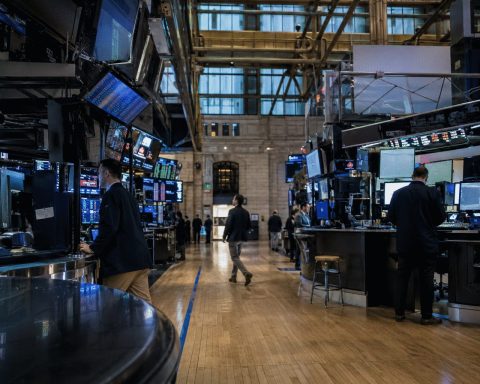
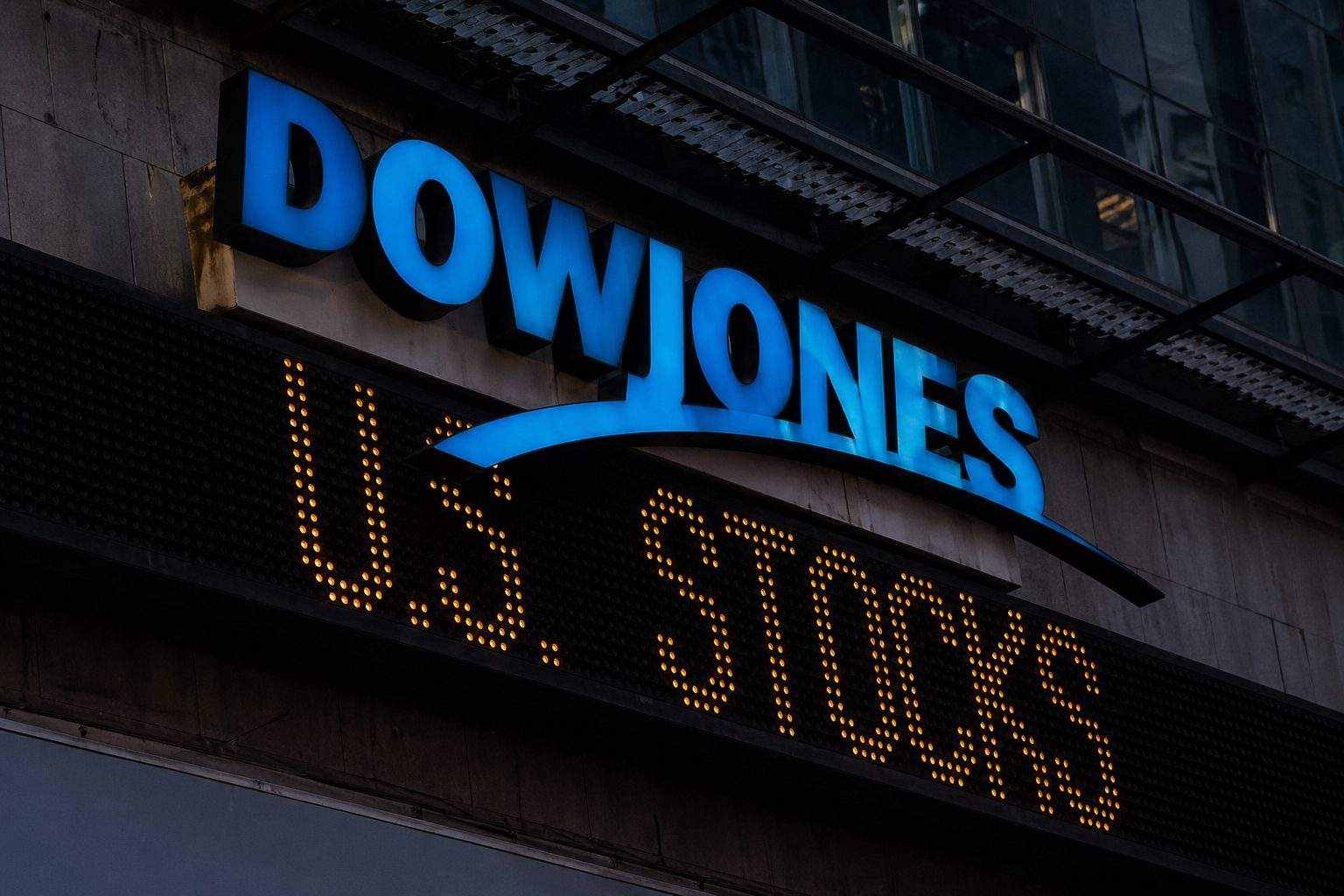
Stocks lost ground early Wednesday afternoon, with the Dow Jones Industrial Average dropping 320.11 points, or 0.65%, to 48,821.82 as traders pulled back ahead of a Federal Reserve decision, a fresh round of big tech earnings, and another surge in oil prices. The S&P 500 edged down 0.21%, while the Nasdaq Composite slipped 0.28%. Brent crude shot up 7.14% to $119.20, according to LSEG numbers reported by Reuters.
The Dow was headed for its fifth consecutive drop, which, per Dow Jones Market Data cited by MarketWatch, would mark its longest losing streak since Oct. 10, 2025. The price-weighted 30-stock average takes a bigger hit from sharp swings in higher-priced names—Boeing and Goldman Sachs stood out as the main drags. Every $1 move in any Dow component translates to about 6.16 points off the index, MarketWatch noted.
Pressure is hitting just as the Fed prepares for its 2 p.m. EDT rate announcement. Markets are widely betting the central bank keeps its benchmark overnight rate steady—this is the main lever for short-term borrowing costs across the U.S. economy. According to Reuters, officials are grappling with whether a spike in oil prices risks fueling more persistent inflation, and there’s talk this could be Chair Jerome Powell’s last meeting at the helm.
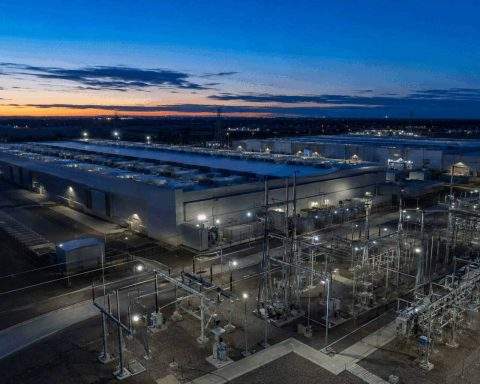
Microsoft, Alphabet, Amazon, and Meta Platforms are all set to post earnings after the bell. Reuters flagged these as a major barometer for the artificial-intelligence trade, pointing out that the four “hyperscalers” — the heavyweights building and leasing cloud data centers — are on track to shell out more than $600 billion on data center and AI infrastructure this year. Collectively, they account for roughly 17% of the S&P 500, Reuters added. Reuters
Ron Albahary, chief investment officer at Laird Norton Wetherby, described market hopes for earnings growth as “exceedingly optimistic,” speaking with Reuters. Amazon picked up some ground. Microsoft slipped. Meta and Alphabet barely budged around midday. GE Healthcare, Robinhood, Starbucks, Visa and Mastercard—those names saw more notable moves among individual stocks. Reuters
Oil found its own momentum today. According to Investopedia, West Texas Intermediate—the U.S. crude benchmark—soared 6.6% to settle at $106.70 per barrel. Brent, the global gauge, posted an even bigger percentage jump, up 6.7% at $118.70. The moves followed word that President Donald Trump directed aides to get ready for a prolonged Iran blockade. That kind of surge ripples out: pricier oil can mean costlier fuel and shipping, which often lands as higher inflation and thinner wallets for households.
The Fed landscape looks different now. Kevin Warsh, tapped by Trump as the next Fed chief, squeezed through the Senate Banking Committee by a 13-11 margin on Wednesday, according to Reuters. That sets him up for a full Senate vote as soon as the week of May 11. Powell’s stint as chair ends May 15, though his board seat stretches to January 2028.
The Dow’s been trailing. Reuters market analyst Terence Gabriel pointed out the Dow Jones Industrial Average hasn’t logged a record close since Feb. 10, despite new highs from the S&P 500 and Nasdaq. According to Dow Theory—a technical model that’s been around for ages—both industrials and transports need to hit highs together for a rally to have staying power.
Tuesday’s rout weighed on sentiment. Both the S&P 500 and Nasdaq finished in the red, as AI-driven worries dragged chipmakers—Nvidia, AMD, and Broadcom—down between 1.6% and 4.4%, according to Reuters. Chuck Carlson, who heads Horizon Investment Services, pointed to OpenAI-related jitters as giving investors “more food for thought” ahead of the megacap earnings slate. Reuters
The risk is right in front of investors: Powell might come off hawkish—leaning toward holding rates higher to curb inflation—while Big Tech may struggle to defend its massive AI investments. Still, there’s another angle. If earnings impress or oil news quiets down, the Dow could regain its footing fast, since what’s hit stocks so far feels more like nerves ahead of major catalysts than any real flight from risk.
Related articles: NASDAQ:META