
New York, May 22, 2026, 20:01 EDT
- The Dow ended at a record 50,579.70. The S&P 500 logged its eighth weekly advance in a row.
- After the bell, SPY, QQQ, DIA and IWM were all down in after-hours trading as the market eased.
- U.S. stock markets are shut Monday for Memorial Day. Investors are looking to inflation numbers out Thursday, which could move markets.
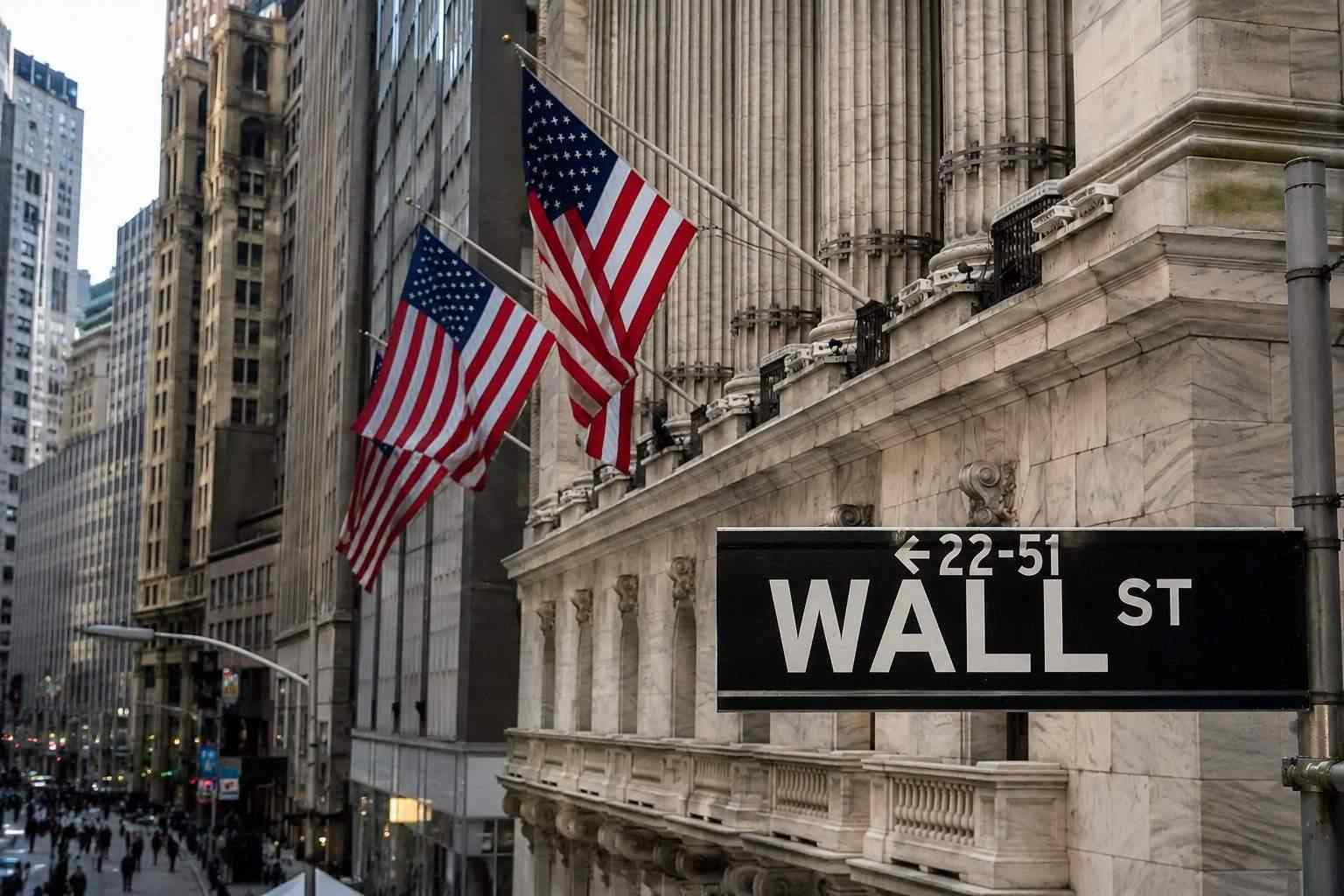
Dow finishes at a record, while the rest of the U.S. stock market closed Friday up too. Stocks edged higher into the bell, but stocks in major index funds slipped in post-market trading heading into the Memorial Day weekend. The drop after hours was minor. Traders did not chase the rally after the close.
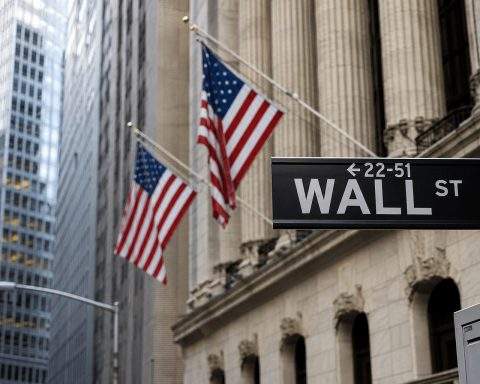
Wall Street just wrapped up eight straight weeks of S&P 500 gains, with earnings and optimism on U.S.-Iran talks in the mix. Now trading heads into a week cut short by the holiday, and traders are watching inflation, oil prices and the return of a new Fed chair as main drivers.
Dow Jones finished up 294.04 points, or 0.58%, closing at 50,579.70. S&P 500 ended 27.75 points higher, up 0.37% to 7,473.47, while the Nasdaq Composite gained 50.87 points, or 0.19%, hitting 26,343.97. Smaller stocks also moved up, with the Russell 2000 posting a 0.9% gain to 2,869.23.
After hours, SPY was off 0.23%, QQQ lost 0.31%, DIA edged down 0.07%, and IWM fell 0.46%. Trading was after the regular 4 p.m. Eastern close, when fewer investors are active and moves can be thinner. Nasdaq says after-hours trading goes from 4 p.m. to 8 p.m. Eastern with lower liquidity.
Wall Street’s rally during the main session was all about lower bond yields and relief about Middle East talks. Investors saw both. “The fundamental picture looks really solid,” said James St. Aubin, chief investment officer at Ocean Park Asset Management. He said Friday’s headlines were “helping at the margin.” Reuters
The Dow touched an intraday high of 50,712.24 on Friday, the first since February. Art Hogan at B. Riley Wealth said the fresh record was linked to optimism over an “off-ramp” in the war and solid earnings. Reuters
Lenovo’s 27% quarterly revenue rise, ahead of forecasts, helped spark gains in U.S. PC stocks. Dell added 17% and HP climbed 15%. Lenovo CEO Yang Yuanqing told Reuters that memory-chip supply was in “heavy shortage.” He pointed to ongoing AI demand straining the same supply chain that feeds laptops, phones and servers. Reuters
Workday shares jumped as the company topped estimates for both revenue and profit this quarter and kept its full-year subscription sales forecast steady. CEO Aneel Bhusri said AI lets Workday become “a disruptor” again. Software got a lift. Reuters
Chip stocks traded mixed. Nvidia dropped during the session and slid further after the close, despite its second-quarter revenue forecast topping Wall Street targets earlier this week. Jacob Bourne, analyst at eMarketer, said the focus now is if Nvidia can prove its AI expansion has “durability into 2027 and 2028.” Reuters
Inflation is the problem. U.S. consumer sentiment dropped to its lowest point ever in May with gas and living costs up. Heather Long, chief economist at Navy Federal Credit Union, called consumers “angry about the economy.” Joanne Hsu, who directs the University of Michigan survey, said high prices are cutting into personal finances. Reuters
Bulls face a tricky setup next week. Kevin Warsh took over as Fed chair on Friday. The Fed’s next policy meeting is set for June 16-17. Reuters said Fed Governor Christopher Waller argued the Fed ought to end its “easing bias,” which he said means the market shouldn’t bet on rate cuts over hikes. Reuters
Markets in the U.S. are shut Monday for Memorial Day and open again Tuesday. Thursday brings the next big read: the Personal Consumption Expenditures price index, or PCE, which the Fed likes to watch because it covers what consumers actually pay for a wide range of goods and services. The BEA has the next PCE out on May 28. The New York Fed’s schedule puts durable goods, second-estimate GDP, and weekly jobless claims out that morning too.
Market momentum held Friday, but risks still loom. If oil goes up, inflation fears could return, or if Middle East talks hit a snag, the new record might not last. This could all look more like a holiday blip than a real move. For now, investors have pushed prices higher. Next week will show what they really bought as they head into a long weekend.
Related articles: NASDAQ:QQQ

![UK Stock Market Today 28/08/2026 [UPDATE: 08:45 BST] [3i and Miners Lift FTSE Ahead of Warsh Speech]](https://ts2.tech/wp-content/uploads/2026/08/UK-market-dashboard-2026-08-28-0842-480x384.jpg "UK Stock Market Today 28/08/2026 [UPDATE: 08:45 BST] [3i and Miners Lift FTSE Ahead of Warsh Speech]")