
Drone defence specialist DroneShield Limited ASX:DRO has just endured another brutal session on the ASX.
At the close of trade on Wednesday, 19 November 2025, DroneShield’s share price finished at A$1.97, down about 19.6% from yesterday’s close of A$2.45.
The sharp fall comes as the company announced the immediate resignation of its U.S. Chief Executive Officer, Matt McCrann, a key figure in the company’s largest growth market.
This latest drop deepens what has been a remarkable reversal for one of 2025’s hottest ASX stories: since peaking at an all‑time high of A$6.71 on 9 October, DroneShield is now down roughly 70%, although the stock remains up around 160% for the year.
DroneShield share price today (19 November 2025): key numbers
As of the ASX close on 19 November 2025:
- Closing price: A$1.97
- Previous close (18 November 2025): A$2.45
- Daily move: –19.59%
- Intraday range: Low A$1.94, high A$2.27
- Approximate volume: 49.7 million shares traded, well above typical daily turnoverYahoo Finance+1
Market data providers describe today as another high‑volatility session for DroneShield, with the share price swinging over 17% between the day’s low and high before settling just above its intraday trough.
Despite the recent collapse, longer‑term performance remains eye‑catching:
- 1‑month change: about –55%
- 1‑year change: around +160%
- 5‑year change: close to +960%Simply Wall St+1
That combination—huge long‑term gains plus an extreme short‑term drawdown—is exactly why DroneShield has become one of the most watched and debated stocks on the ASX.
The catalyst: sudden resignation of DroneShield’s US CEO
The primary trigger for today’s sell‑off was an ASX announcement titled “Resignation of U.S. CEO”, released on the morning of 19 November 2025.Market Index+2hotcopper.com.au+2
According to the announcement and subsequent media coverage:
- Matt McCrann, DroneShield’s U.S. CEO, has resigned with immediate effect, effective 19 November 2025.
- McCrann joined the business in 2019 and has served as U.S. chief executive since 2022, overseeing the company’s expansion in its most strategically important market.
- DroneShield’s core global CEO, Oleg Vornik, remains in place; the company has been “scaling up” its U.S. presence, including plans for local product assembly and a growing American workforce.Capital Brief+2Market Index+2
Commentary from financial outlets notes that McCrann’s exit raises questions about leadership stability and execution risk in the United States, where DroneShield has been chasing large defence and homeland‑security contracts.
Several market commentators framed the resignation as particularly unsettling because it arrives just days after a massive insider sell‑off and a previous share price crash, compounding investor unease about governance and internal cohesion.
Turbulent November: insider selling and governance concerns
Today’s plunge doesn’t exist in a vacuum. November has been one of the most tumultuous months in DroneShield’s history.
A$67 million insider selldown
Around early to mid‑November, filings revealed that several top executives and directors had sold large parcels of shares:
- CEO Oleg Vornik sold roughly 14.8 million shares, raising about A$49.5 million between 6 and 12 November.
- Chairman Peter James and director Jethro Marks also sold substantial holdings, estimated at approximately A$12.4 million and A$4.9 million, respectively.
Reports noted that on 13 November 2025, DroneShield’s stock plunged about 31% in a single day, its worst fall since the early stages of the pandemic, as the market digested the scale and timing of these insider trades.
Suspicions of further share dumping
Coverage in The Australian’s business columns has gone further, suggesting that trading patterns imply additional undisclosed selling:
- A small broker is reported to have offloaded nearly 30 million shares with no matching buy orders recorded, prompting speculation of up to 10 million more shares being dumped by insiders beyond the officially disclosed sales.
These revelations have intensified concerns about transparency, fairness to retail shareholders, and whether internal selling was aligned with the company’s public messaging.
Criticism of DroneShield’s communication
Commentary in the Australian Financial Review argues that DroneShield’s slow and cautious communication strategyhas “betrayed” investors who helped drive its dramatic rise earlier in 2025, and that the company is now working behind the scenes to manage growing investor anger.Australian Financial Review+1
Taken together, the insider selldown, questions over additional trading, and perceived communication gaps created a fragile backdrop heading into today’s US CEO resignation. When that news hit, many investors appeared to rush for the exits.
Market reaction today: from market darling to “dead money”?
Heavy selling and technical breakdown
Data from multiple price trackers agree on the scale of today’s move:
- Share price down ~19.6% on the day to A$1.97
- Intraday volatility above 17%, with the price swinging from A$1.94 to A$2.27
- Volume surging to roughly 50 million shares, with some analysts noting that falling prices on rising volume often signal heightened downside risk in the short term.
Short‑term trend indicators now show DroneShield has fallen in six of the past ten sessions, losing nearly 49% over that period.
Sharp sentiment shift from brokers and commentators
Earlier in 2025, some brokers viewed DroneShield as a top pick in the defence and counter‑drone sector, pointing to record quarterly revenues and a rapidly expanding order book.
Today, however, at least one prominent research outlet is describing the stock as effectively “dead money” after the CEO exit, a striking downgrade from its previously bullish stance.stocksdownunder.com+1
Other market coverage from outlets such as The Motley Fool, Capital Brief and Rask Media highlights a common theme:
- Leadership turmoil (US CEO resignation)
- Governance and insider‑selling overhang
- Massive volatility after a furious 2025 rally
- A sense that trust must be rebuilt before new investors are willing to step back in.
The bigger picture: is the DroneShield growth story broken?
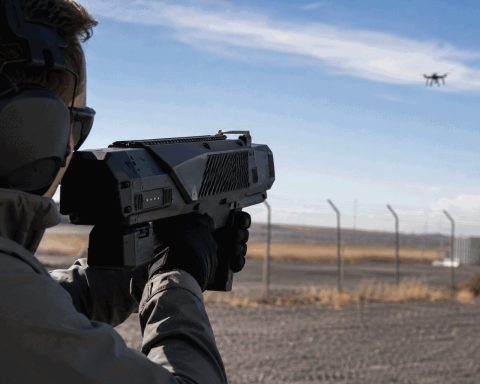
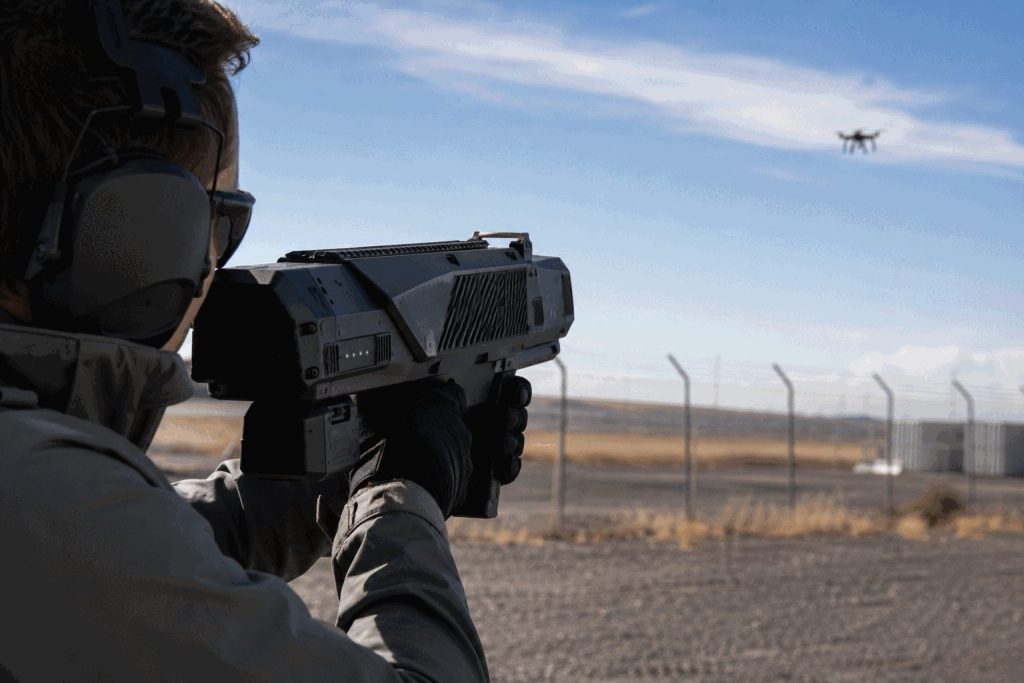
From a business standpoint, DroneShield still operates in one of the fastest‑growing niches in defence: systems that detect, track and neutralise hostile drones using AI‑powered sensors and electronic warfare technology.
Several factors underpin the long‑term bull case often cited by supporters:
- Western militaries and critical infrastructure operators are rapidly increasing spending on counter‑UAS (uncrewed aerial systems) as conflicts and security incidents highlight drone vulnerabilities.
- DroneShield has reported record quarterly revenues in 2025, along with a growing pipeline of defence and homeland‑security contracts across the US, Europe and the Middle East.
- The company positions itself as the only pure‑play listed counter‑drone company globally, with proprietary AI software and hardware platforms.
However, the events of November 2025 have introduced new and serious questions:
- Can management restore confidence after large insider sales immediately preceding sharp share price falls?
- Will the sudden exit of the U.S. CEO disrupt strategic momentum in DroneShield’s most important market?Market Index+2Capital Brief+2
- Are governance practices and internal controls robust enough for a company now worth billions and central to sensitive national‑security contracts?Australian Financial Review+1
Some analysis notes that DroneShield has begun to reshuffle its leadership, with new appointments such as a revamped chief technology leadership structure aiming to refocus on product execution and innovation. But commentary also stresses that the broader governance reform agenda remains unclear.
Key risks and questions investors are asking after today’s plunge
While every investor must make their own judgement, the questions dominating today’s discussion around DroneShield include:
- Leadership stability
- Who will replace Matt McCrann as U.S. CEO, and how quickly can that role be filled without disrupting customer relationships and US growth plans?Market Index+2Capital Brief+2
- Governance and insider trading optics
- Will regulators or the ASX scrutinise the timing and size of insider sales, and will the board provide a fuller narrative explaining those transactions to shareholders?The Australian+2The Australian+2
- Customer and contract risk
- Could highly publicised leadership upheaval and governance controversy affect confidence among defence and government clients, especially in sensitive markets like the U.S. and Europe?Capital Brief+2streetwisereports.com+2
- Valuation versus execution risk
- Even after the sell‑off, DroneShield has delivered huge multiyear returns, and expectations for long‑term growth remain elevated. Execution missteps could therefore be punished disproportionately by the market.
- Communication with shareholders
- Commentators argue that management must improve transparency and engagement if it wants to rebuild trust after the November shocks. Investors will be watching every announcement and interview closely.
What to watch next
Over the coming weeks and months, several developments are likely to be critical for the DroneShield share price:
- Appointment of a new U.S. CEO or clarification of interim leadership arrangements in America.
- Any follow‑up statements from the board regarding insider selling, governance changes or enhanced disclosure practices.
- Updates on major contract wins, particularly in the U.S., NATO countries and the Middle East, which could re‑anchor the narrative on fundamentals rather than corporate drama.
- The company’s next scheduled earnings release, currently expected in early March 2026, where investors will be keen to see whether recent turmoil has affected orders, margins or guidance.
- Ongoing share price and volume behaviour—whether the stock stabilises around current levels, forms a new trading range, or experiences further forced selling and volatility.
DroneShield stock today – quick FAQ (19 November 2025)
1. What is the DroneShield ASX:DRO stock price today?
As of the close of trade on 19 November 2025, DroneShield Limited ASX:DRO finished at A$1.97 per share, down about 19.6% on the day.
2. Why did DroneShield shares fall so sharply today?
The drop was driven primarily by the sudden resignation of the company’s U.S. CEO, Matt McCrann, announced effective 19 November 2025, against a backdrop of recent large insider share sales and mounting governance concerns.
3. How far is DroneShield down from its recent peak?
From its record high of A$6.71 on 9 October 2025 to today’s close at A$1.97, DroneShield’s share price has fallen by roughly 70%.
4. Is DroneShield still up for the year?
Yes. Even after the recent collapse, DroneShield is still estimated to be up around 160% over the last 12 months, reflecting its enormous rally earlier in 2025.
5. What is DroneShield’s ticker and where is it listed?
DroneShield trades on the Australian Securities Exchange (ASX) under the ticker “DRO” (often shown as DRO.AX on international platforms).Investing.com+2Yahoo Finance+2
6. Is this investment advice?
No. This article is for information and news purposes only and does not constitute financial advice. Share prices and market conditions can change quickly; readers should do their own research or consult a licensed financial adviserbefore making any investment decisions.
Related articles: ASX:DRO