
New York, May 11, 2026, 18:05 (EDT)
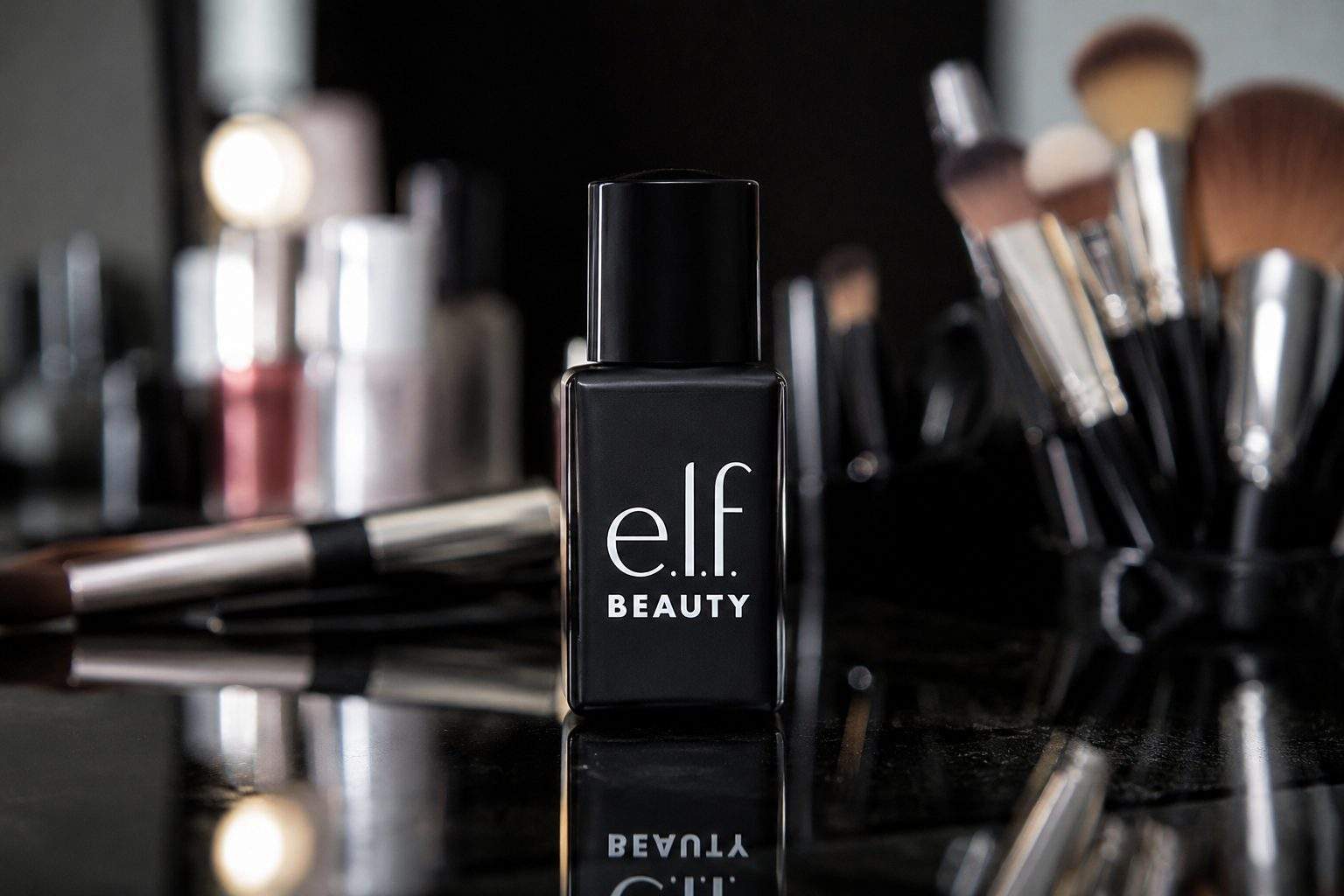
Shares of e.l.f. Beauty Inc. slid 9.3% to $55.19 on Monday, hitting a session low of $54.72 as the selloff intensified ahead of the cosmetics company’s fiscal fourth-quarter earnings next week. Earlier, market data providers flagged the drop below the stock’s 52-week low.
Timing’s everything here. e.l.f. set its fiscal Q4 2026 earnings call for May 20 at 4:30 p.m. Eastern. Chairman and CEO Tarang Amin, along with CFO Mandy Fields, will lead the webcast.
Investors want to see if e.l.f. can keep up its growth while holding on to margins. In February, the company bumped its fiscal 2026 outlook to net sales between $1.60 billion and $1.61 billion, while projecting adjusted diluted EPS at $3.05 to $3.10. For the third quarter, net sales jumped 38% to $489.5 million.
Selling didn’t stop with e.l.f.; Coty slid 5.7% Monday and Estée Lauder shed 4.0%, despite gains in major U.S. indexes. Beauty and personal care stocks took the bigger hit, not the broader market.
e.l.f. faces sharper headwinds after Morgan Stanley’s Dara Mohsenian lowered the firm’s rating on the stock to Equalweight from Overweight this month. The analyst also slashed the target price to $67, down from $80, flagging deepening market-share losses in e.l.f.’s core U.S. cosmetics business, according to StreetInsider.com.
That take clashes with how the company itself is spinning things. Amin pointed out that February numbers showed e.l.f. Cosmetics grabbing 130 basis points, or 1.3 percentage points, of additional market share. He credited the brand’s growth streak to its “value proposition” and relentless marketing push. Elf Beauty Investor
Margins are still the main story. e.l.f. saw its gross margin nudge down by roughly 30 basis points to 71% in the third quarter, weighed by increased tariff expenses. Meanwhile, selling, general and administrative costs jumped by $61.7 million to $280.0 million, with higher outlays for marketing, merchandising, distribution, and compensation all contributing.
Starting Aug. 1, 2025, the company is hiking prices worldwide to cushion the blow from tariffs. In its latest quarterly filing, e.l.f. noted that U.S. tariff policy remains in flux. The company also flagged possible production moves out of China—if the switch makes sense financially.
Rhode keeps drawing investor attention. In August, e.l.f. wrapped up its $897.5 million buyout of Hailey Bieber’s beauty label. The company reported rhode drove $128.2 million of sales growth in the third quarter. Long-term debt rose as well, hitting $816.7 million at Dec. 31.
There’s a risk e.l.f. will have to ramp up spending to hold onto growth, just as tariffs, higher prices, and fiercer competition start to hit. According to the filing, the beauty market is still crowded—multinationals, indie outfits, celebrity lines, influencer brands, all in the mix. Weak shelf resets or changes in retailer orders could drag on performance, too.
May 20 is shaping up as the next big hurdle. e.l.f. isn’t just up against Wall Street’s forecasts; investors want proof that demand and margins hold up, and that rhode’s integration isn’t missing a beat. The stock’s wobbling, with investors unsure how fast the company’s really growing.
Related articles: Earnings Reports