
NEW YORK, June 8, 2026, 04:12 (EDT)
- Eli Lilly finished the U.S. session at $1,131.42, rising 0.55%. The company’s market cap is about $1.01 trillion. Trading on the NYSE in the U.S. runs from 9:30 a.m. to 4 p.m. ET.
- Lilly rolled out new phase 3 data on retatrutide and Foundayo at the American Diabetes Association meeting. The announcement kept attention on its obesity drugs pipeline.
- Boehringer Ingelheim and Zealand Pharma brought out new data for their weight-loss drugs, joining the busy slate over the weekend.
Eli Lilly heads into the U.S. pre-market Monday facing a fresh test of its trillion-dollar market cap after dropping new data on wider benefits from its upcoming obesity drugs. Shares ended Friday at $1,131.42, gaining 0.55%. The S&P 500 ETF lost 2.6%. The Health Care Select Sector SPDR ETF picked up 0.6% in the last quoted session.
Timing is key. Lilly’s not just facing questions about Zepbound and Mounjaro demand anymore. Now, investors want to know if retatrutide and Foundayo, the oral obesity pill, can turn the company’s obesity push into something bigger in cardiometabolic health. So it’s weight loss, yes, but also data in diabetes, sleep apnea and joint pain. Those numbers could help convince doctors and payers that Lilly’s drugs go beyond treating weight.
Lilly reported that patients on the 12 mg dose of retatrutide in its Phase 3 TRIUMPH-1 trial lost an average of 70.3 pounds, or 28.3%, at 80 weeks. Phase 3 trials are typically the last major test before a company goes to regulators. Lilly also said that 65.3% of people on the 12 mg dose dropped to a body mass index under 30, which is below the BMI cutoff for obesity.
Lilly said retatrutide cut moderate-to-severe obstructive sleep apnea by 60.6% and reduced knee osteoarthritis pain by as much as 73.1%. The drug hits GLP-1, GIP, and glucagon pathways—key for appetite, blood sugar, and energy. Zepbound and Wegovy act on fewer pathways.
Lilly said its diabetes study showed retatrutide lowered A1C by as much as 2.0 percentage points from a starting point of 7.9%. A1C tracks average blood sugar for several months. The drug also posted weight loss up to 36.6 pounds, or 16.8%, at 40 weeks, and weight loss hadn’t plateaued yet.
Yale School of Medicine’s Ania Jastreboff, the lead investigator, said the results pointed to what can happen when doctors “treat obesity and impact overall health.” Lilly’s cardiometabolic health president Kenneth Custer said it was “striking to see with a single therapy” how wide the benefits were. Eli Lilly and Company
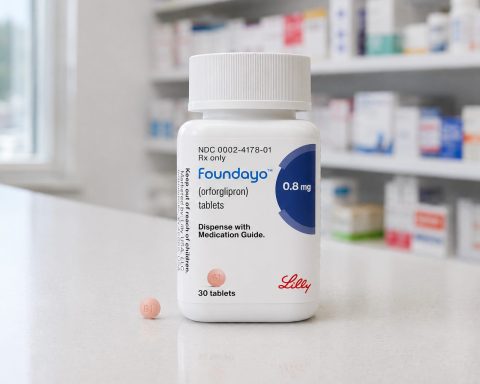
Lilly used the weekend’s meeting to present more data for Foundayo, its once-daily oral GLP-1 pill. In post-hoc reviews covering over 1,500 women in the ATTAIN-1 and ATTAIN-2 trials, women who took the highest dose lost weight at every menopause stage. In ATTAIN-1, women in perimenopause lost up to 30.4 pounds, or 14.4%. Rachel Batterham, Lilly’s senior VP of medical innovation and external engagement, said the data showed “what progress could look like” for women who struggle with weight in menopause. Eli Lilly and Company
Foundayo is key for the stock on the oral front. The pill doesn’t require food or water, giving Lilly a needed convenience angle as rivals push into injectable GLP-1s. Lilly said it’s looking at orforglipron, Foundayo’s main compound, in other areas too, including type 2 diabetes, sleep apnea, and knee osteoarthritis pain.
Boehringer Ingelheim isn’t letting up in the obesity race. The company said Sunday its experimental drug survodutide, which it licensed from Zealand Pharma, reduced abdominal fat by as much as 34% and liver fat by up to 63.1% in late-stage analysis. “It could sit at the intersection of obesity and liver disease,” said Shashank Deshpande, head of Boehringer’s human medicines business. Reuters
Novo Nordisk is still Lilly’s nearest major competitor in obesity and diabetes drugs. Fresh results from Boehringer-Zealand show other players aiming to do more than chase headline weight-loss figures. The new arena is about more than pounds lost—companies want to prove gains in sleep, liver fat, blood sugar, pain and longer-term health risk, too.
The risks are still clear. Retatrutide is investigational. Regulators, payers, and doctors will look at safety as well as efficacy. In TRIUMPH-1, Lilly listed nausea, diarrhea, constipation and vomiting as frequent side effects. Patients on the 12 mg dose stopped treatment due to adverse events at 11.3%, compared to 4.9% for placebo. Dysesthesia, an unusual skin feeling, appeared in 12.5% of those on the highest dose.
Lilly tossed more data to the market backing up its obesity push, fueling the argument that the franchise isn’t maxed out yet. The initial test comes Monday as NYSE trading picks up and investors weigh if the weekend’s trial gains are enough to lift a stock that’s already trading at category-winner levels.
Related articles: NYSE:LLY