New York, January 29, 2026, 20:46 (EST) — Market closed.
- Eli Lilly shares closed up 0.03% at $1,024.14.
- Lilly-backed tie-ups this week span autoimmune disease and gene-editing for hearing loss.
- Investors now turn to Feb. 4 earnings for guidance on demand, supply and spending.
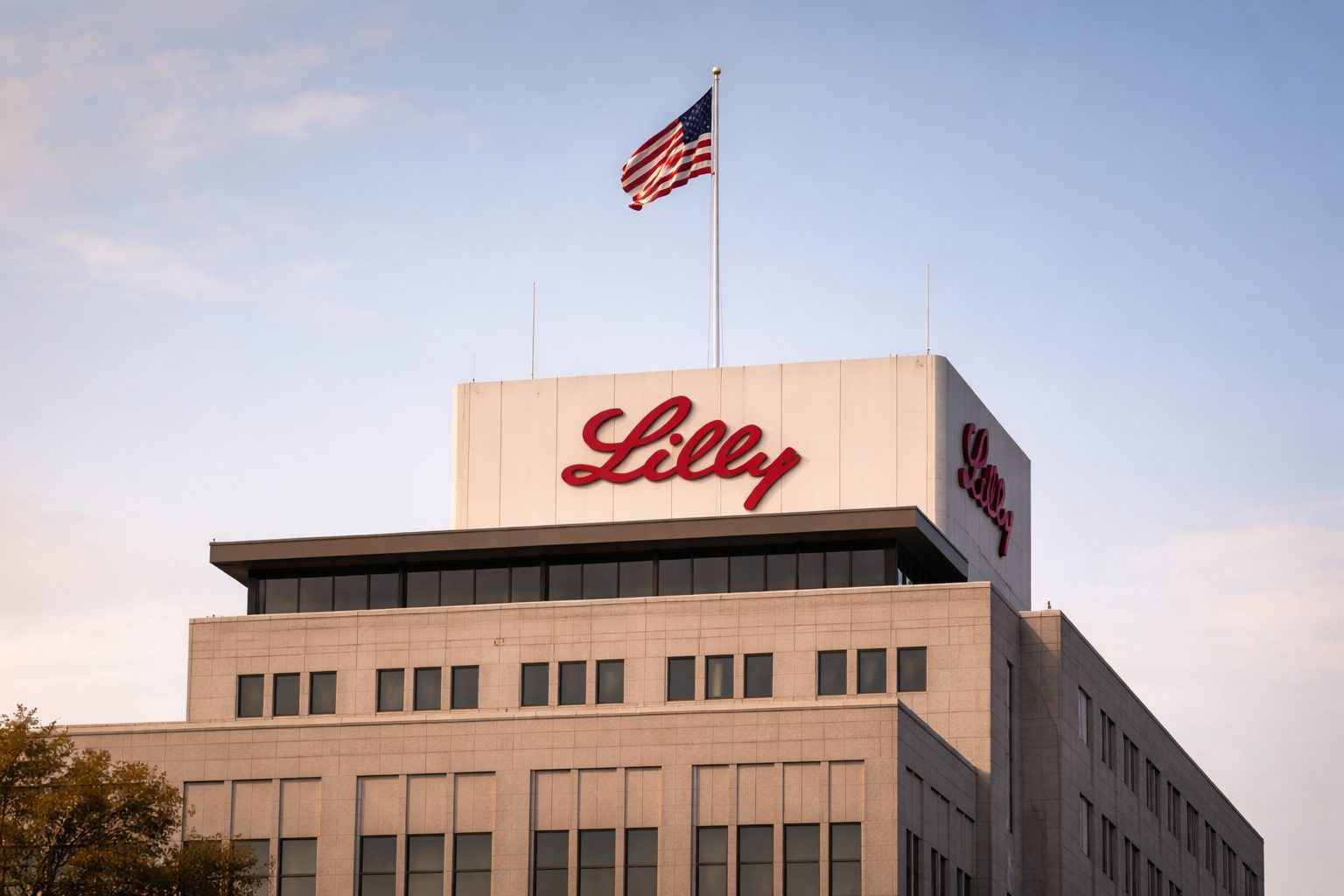
Eli Lilly shares ended little changed on Thursday after the drugmaker lined up another research collaboration, this time in autoimmune disease. The stock closed up 0.03% at $1,024.14, as Wall Street finished mixed. MarketWatch
The timing matters because Lilly’s stock has become a proxy for how long the boom in new obesity and diabetes medicines can last, and whether the company can widen out from that core. Deals that add shots on goal — even early ones — can move the debate on growth, especially heading into an earnings week.
It also matters because capacity is now part of the story. Investors have treated manufacturing scale as a competitive weapon in obesity drugs, where shortages and access still shape who gets treated and who waits.
Repertoire Immune Medicines said it entered a strategic collaboration with Lilly to develop “tolerizing” therapies for multiple autoimmune diseases, with Repertoire leading work until a development candidate is chosen and Lilly running development, manufacturing and commercialization. Repertoire said it will receive $85 million upfront, with up to $1.84 billion more tied to milestones and tiered royalties on sales; Chief Executive Torben Straight Nissen said the tie-up “affords us the opportunity to translate the unique discoveries produced by our DECODE platform into potentially paradigm shifting new medicines.” PR Newswire
President Donald Trump added to the manufacturing chatter on Thursday, saying Lilly’s chief executive told him the company is “building six plants in the United States.” Lilly has already flagged plans to spend at least $27 billion on four new U.S. plants, and a spokesperson said it has announced nine new U.S. manufacturing sites since 2020. Reuters
On Wednesday, Lilly also signed an agreement worth up to $1.12 billion with Germany’s Seamless Therapeutics to develop treatments for hearing loss using programmable recombinases, a gene-editing approach designed to make precise DNA changes. Seamless Chief Executive Albert Seymour told Reuters the arrangement was “a way for us to work with the platform, with a partner,” as Lilly takes the program from preclinical work through commercialization. Reuters
The obesity-drug fight is still the backdrop. MediaRadar data seen by Reuters showed Novo Nordisk spent nearly $500 million on U.S. advertising for its GLP-1 medicines — diabetes and weight-loss drugs that mimic a gut hormone to curb appetite and lower blood sugar — in the first nine months of 2025, more than double Lilly’s estimated $214 million for Zepbound and Mounjaro. “When it comes to weight loss, Lilly has that edge with Zepbound,” Emarketer analyst Rajiv Leventhal said, as the two companies chase patients who often face uneven insurance coverage. Reuters
But the trade has risks, and they do not always show up in quarterly numbers. Britain’s medicines regulator updated guidance warning of a small risk of severe acute pancreatitis in patients using semaglutide or tirzepatide injections, including Lilly’s Mounjaro, after an increase in reports through its Yellow Card system; Lilly said the Mounjaro leaflet lists pancreatitis as an uncommon side effect and tells patients to consult a doctor if they have had it before. The Guardian
Heading into Friday’s session, traders will be watching whether the deal flow and plant talk keeps Lilly insulated from broader market swings, or whether attention snaps back to valuation and competition. Any fresh detail on capacity, pricing and access could matter more than another headline number.
The next hard catalyst is earnings. Lilly is scheduled to release fourth-quarter 2025 results on Feb. 4 before the U.S. market opens and host a conference call at 10 a.m. EST, when investors will look for updates on sales momentum for Mounjaro and Zepbound, and how fast the company thinks it can expand supply. investor.lilly.com