NEW YORK, Jan 4, 2026, 10:17 ET — Market closed
- Eli Lilly shares last closed up 0.5% at $1,080.36, within about 3% of their 52-week high. FinanceCharts
- A Zacks Research upgrade and a heavy early-2026 catalyst calendar are keeping the stock in focus ahead of Monday’s session. MarketBeat
- Investors also face key macro tests this week, including the U.S. jobs report due Friday. Bureau of Labor Statistics
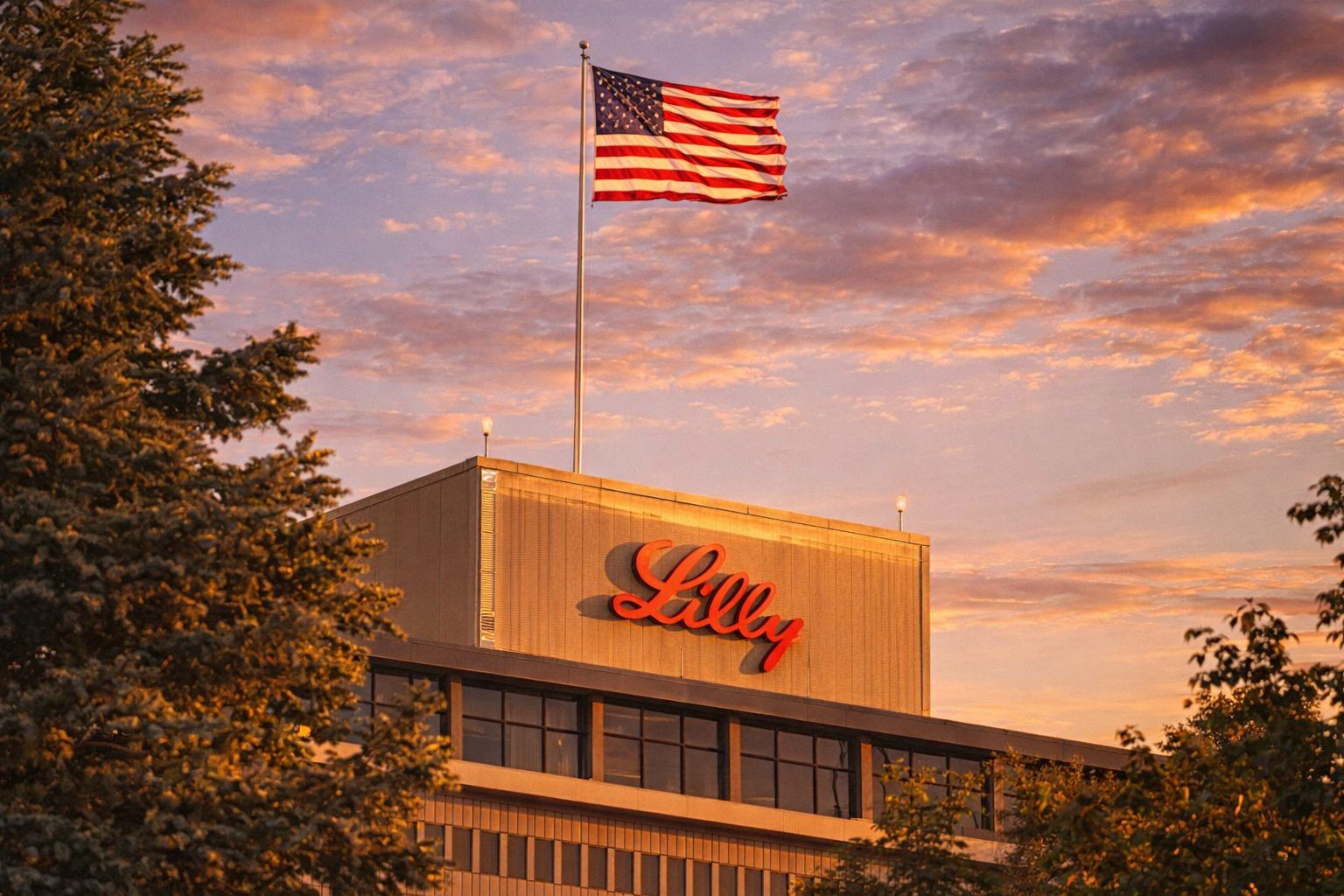
Eli Lilly and Co shares ended Friday up $5.44, or 0.5%, at $1,080.36, giving the drugmaker a firm start to 2026 as investors positioned for a packed run of healthcare catalysts in January and February.
The move matters because Lilly is one of the market’s largest “growth” stocks — companies whose valuations lean heavily on future earnings — and traders are resetting positions after a year in which weight-loss drugs drove outsized gains across big pharma. Investing
It also comes as Washington’s push to widen access to obesity drugs moves from headline deals toward implementation, sharpening investor focus on what higher volumes might mean for net pricing — the amount drugmakers keep after rebates and discounts. Reuters
On the company side, Zacks Research upgraded Lilly to “strong-buy” in a note issued Thursday, according to MarketBeat. MarketBeat
Technically, the stock is trading near the top of its 52-week range of $623.78 to $1,111.99, leaving it sensitive to any shift in expectations around pricing, supply, or new data. FinanceCharts
Lilly is listed to appear at the 44th Annual J.P. Morgan Healthcare Conference on Jan. 13 at 5:15 p.m. EST, according to its investor events calendar — a closely watched forum where drugmakers often update investors on pipelines and demand trends. Lilly
The calendar also shows Lilly’s fourth-quarter earnings call on Feb. 4 at 10 a.m. EST, setting up the next major company-specific catalyst after the conference. Lilly Investor Relations
Policy remains a key swing factor for Lilly’s obesity franchise, which includes Zepbound for weight loss and Mounjaro for diabetes. In late December, the U.S. Centers for Medicare and Medicaid Services outlined a voluntary coverage program for GLP-1 drugs — a class that targets appetite and blood sugar — that would set a $50 monthly out-of-pocket cost for eligible Medicare beneficiaries. Reuters
The program “aims to increase access to select GLP-1 medications and support for healthy lifestyle choices,” CMS administrator Mehmet Oz said in a post on X. Reuters
Lilly’s closest peer in obesity drugs is Novo Nordisk, whose Wegovy competes with Zepbound, and the CMS plan explicitly names both products — a reminder that the next phase of growth may hinge as much on reimbursement rules as on demand. Reuters
But investors face clear risks. The CMS model is voluntary for states, manufacturers and health plans, and broader drug-pricing scrutiny could squeeze margins even if prescriptions rise; meanwhile, high expectations leave little room for stumbles in supply or guidance. Reuters
Beyond healthcare headlines, traders will also watch Friday’s U.S. Employment Situation report, due at 8:30 a.m. ET, a rates-sensitive macro release that can swing large-cap growth stocks and the broader market. Bureau of Labor Statistics
When trading resumes Monday, investors will be watching whether Lilly can hold above the $1,080 area, with attention shifting quickly to the Jan. 9 jobs report, the company’s Jan. 13 conference slot, and the Feb. 4 earnings call for the next set of firm catalysts. Bureau of Labor Statistics