
Indianapolis, April 20, 2026, 09:33 EDT.
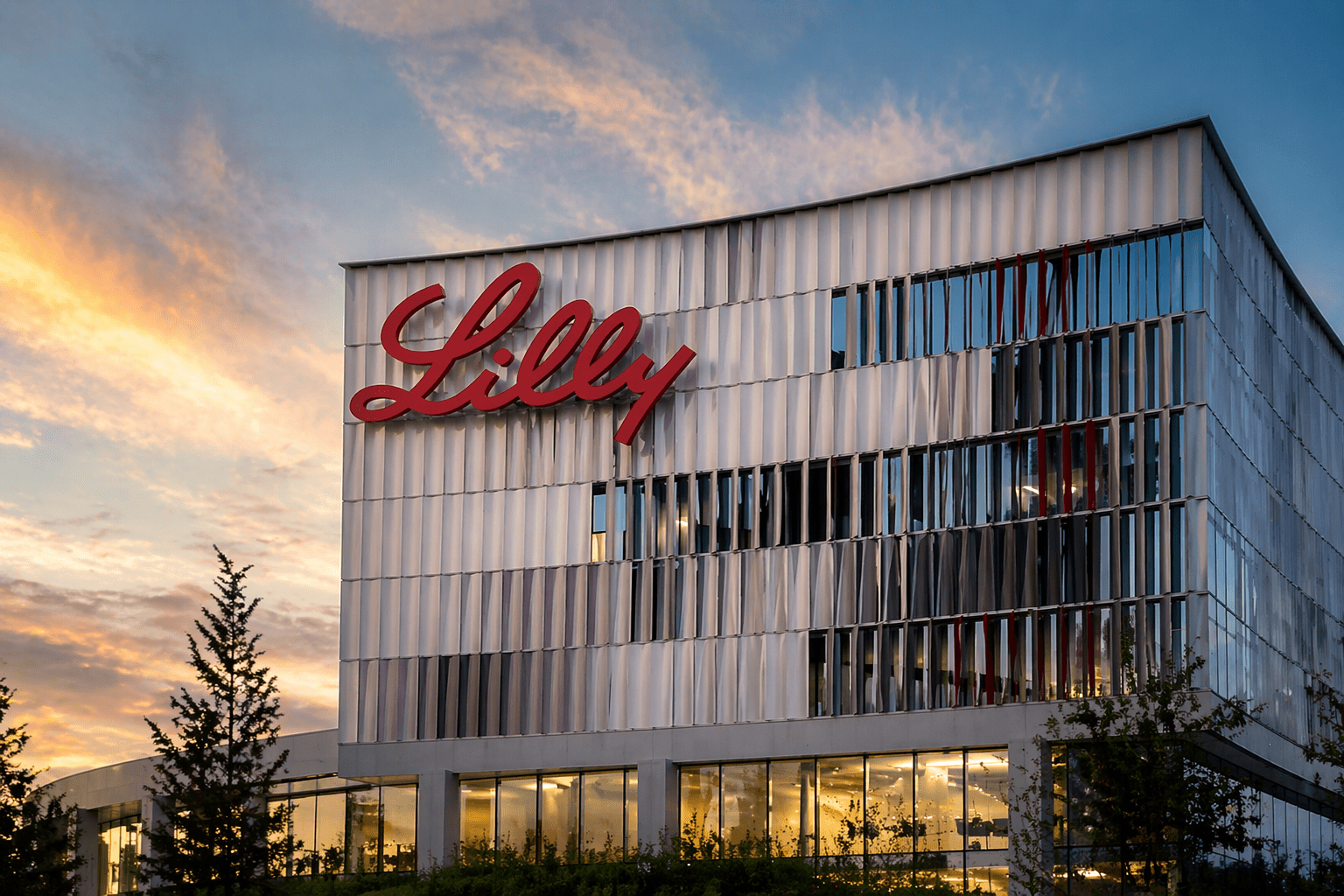
Eli Lilly agreed to acquire Boston-based Kelonia Therapeutics for up to $7 billion on Monday, handing the drugmaker a new bet on experimental cell therapies for blood cancer as it keeps widening its pipeline beyond weight-loss medicines. Lilly shares were up about 2.5% in morning trading.
The timing matters. Lilly’s Mounjaro generated $23.0 billion in 2025 and Zepbound another $13.5 billion, helping drive total revenue up 45% to $65.2 billion; cancer drug Verzenio added $5.7 billion.
Kelonia is the latest stop in Lilly’s buying spree. Lilly has already signed 2026 deals for Orna Therapeutics, Ventyx Biosciences and Centessa Pharmaceuticals as it tries to build new growth drivers outside obesity and diabetes.
The final structure is also much larger than the figure that first surfaced when a Wall Street Journal report on Sunday said Lilly was in advanced talks for more than $2 billion. Monday’s agreement gives Kelonia shareholders $3.25 billion upfront and leaves another $3.75 billion tied to clinical, regulatory and commercial milestones.
Kelonia’s lead asset, KLN-1010, is in Phase 1 testing for relapsed or refractory multiple myeloma, a blood cancer in people whose disease has returned or stopped responding to treatment. Its iGPS platform is designed to create CAR-T, a therapy that engineers T cells to attack cancer, inside the body rather than by removing a patient’s T cells, altering them in a lab and infusing them back.
That is the pitch Lilly is buying. Jacob Van Naarden, Lilly’s oncology chief, said current CAR-T treatments still face manufacturing, safety and access barriers, and he called the early KLN-1010 data “highly encouraging.” PR Newswire
Kevin Friedman, Kelonia’s chief executive, said the company had seen “deep multiple myeloma remissions” with less complexity and cost than traditional CAR-T made outside the body. Lilly said early KLN-1010 data were presented at the 2025 American Society of Hematology meeting and showed promising tolerability. PR Newswire
The move puts Lilly more directly into a myeloma cell-therapy market where Johnson & Johnson’s Carvykti and Bristol Myers Squibb’s Abecma are already approved in the United States. Lilly already has a sizable cancer business through Verzenio, and Jaypirca won an expanded U.S. label late last year in chronic lymphocytic leukemia and small lymphocytic lymphoma.
But the bet is still early. Kelonia’s lead program has not moved beyond Phase 1, and BMO Capital Markets analyst Evan Seigerman, commenting on Lilly’s earlier Orna buy, called the broader in vivo cell-therapy technology “high-risk” until it is validated in large trials. Approved CAR-T medicines also remain under FDA watch for serious toxicities even after the agency last year removed a special safety program known as REMS; Lilly and Kelonia expect the deal to close in the second half of 2026, subject to regulatory approvals and customary conditions. PR Newswire
Related articles: NYSE:LLY